
📧 This Q&A originally ran in Filtered Fridays, my free weekly newsletter. This is a lighter, quicker read than our usual guides. Subscribe here to get them first.
🤔 Reader Question
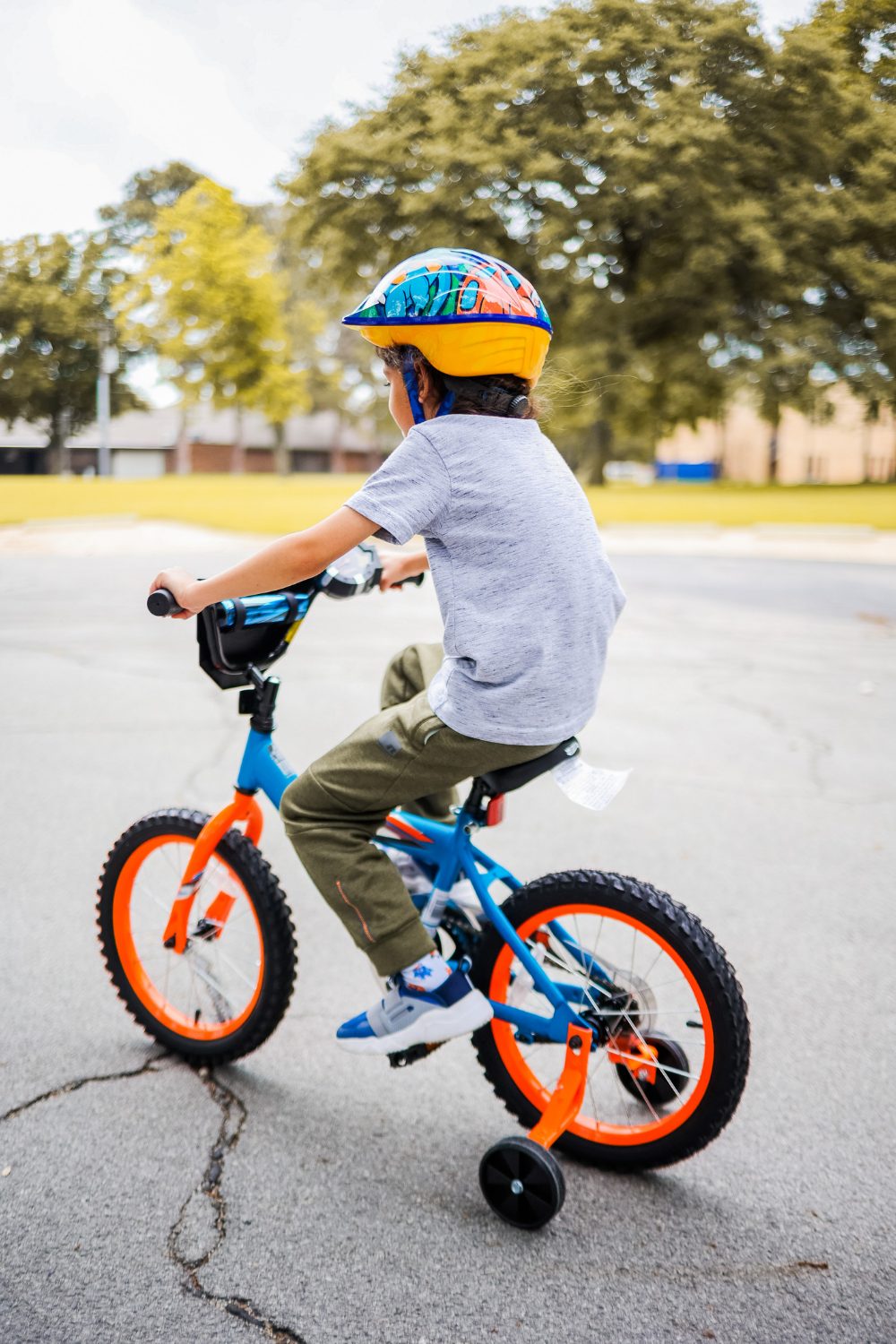
Q: Do you have any recommendations for kids bike helmets? I know the industry standard is EPS foam for the interior lining, but this gives me pause for concern especially with a sweaty head like my son tends to get. Any suggestions would be helpful. Thanks in advance.
A: I totally get the concern with having plastic against a sweaty head for potentially hours a day, but this is not something I would worry too much about.
The protection from head injury far outweighs the chemical exposure. And that goes for adults, too—I have had too many adult friends get in bike accidents while riding on the street.
(Research shows that helmets provide a 63-88% reduction in the risk of head, brain, and severe brain injury for all ages of bicyclists.)
The government of Denmark actually did a survey and risk assessment of chemical substances in bicycle helmets. They looked primarily at PFAS and flame retardants (mostly one called TCPP) and found that while exposure was not zero, it was very low.
There are a couple of brands that are trying to incorporate more natural materials while still keeping the safety standards up.
- Bollé has one that mixes cork into the EPS, and uses cotton for the webbing and bamboo for the lining. (This is an adult helmet though.)
- O’Neill also has one that mixes cork and cotton into the plastic components, but this one is only available in the EU. (Also an adult option.)
I came across a few other brands that were trying to make a lower-plastic, more natural helmet, but it looks like they’ve since been discontinued. I can imagine that it’s a tough one for manufacturers to figure out.
For this one, I say: cycling is really good for you, and so is preventing head injuries. Wear the plastic helmet, try not to stress too much about it, and enjoy the ride. 🚴