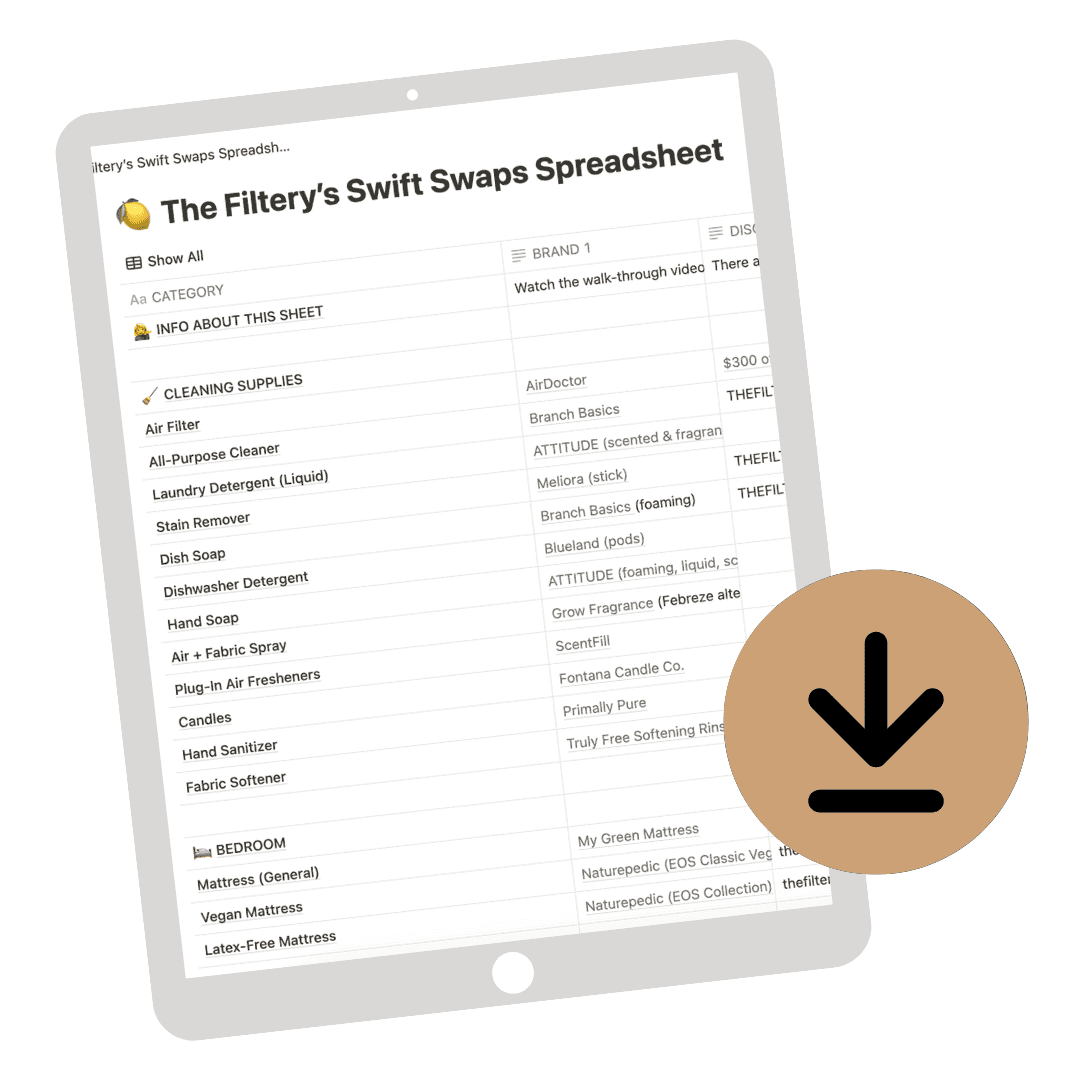

More people than ever are realizing how much of their wardrobe is made of plastic… shoes included. 😳
But we expect a lot more out of a pair of shoes than we do a shirt of pair of jeans. They have to be much more durable, they need to be supportive, and simultaneously strong but flexible.
That’s a lot to ask from organic cotton!
Apparently, creating shoes that are not only natural and functional but also financially sustainable is difficult. Some front-running shoe brands including Allbirds, Cariuma, Veerah, and Po-Zu have imploded gone out of business in the last couple of years.
So when you’re shopping for non-toxic shoes, expect there to be trade-offs. There’s most likely going to be plastic somewhere in the shoe. It might not meet all of your ideal standards in terms of materials, finishes, certifications, and end-of-life.
That’s okay! Progress over perfection.
I researched a lot of brands and came up with a solid list below. All of these brands have multiple things going for them, whether that’s the use of natural materials like cotton canvas, or OEKO-TEX or bluesign certification for chemical safety.
I’ve got sneakers, flats, heels, kids’ shoes, running shoes, work & hiking boots, sandals, and more.
What's included in this guide:
This guide contains product recommendations and we may receive compensation if you purchase through certain links. As always, we only make recommendations that are genuine! Featured image credit: 8000Kicks
Everyday Shoes & Sneakers
Veja
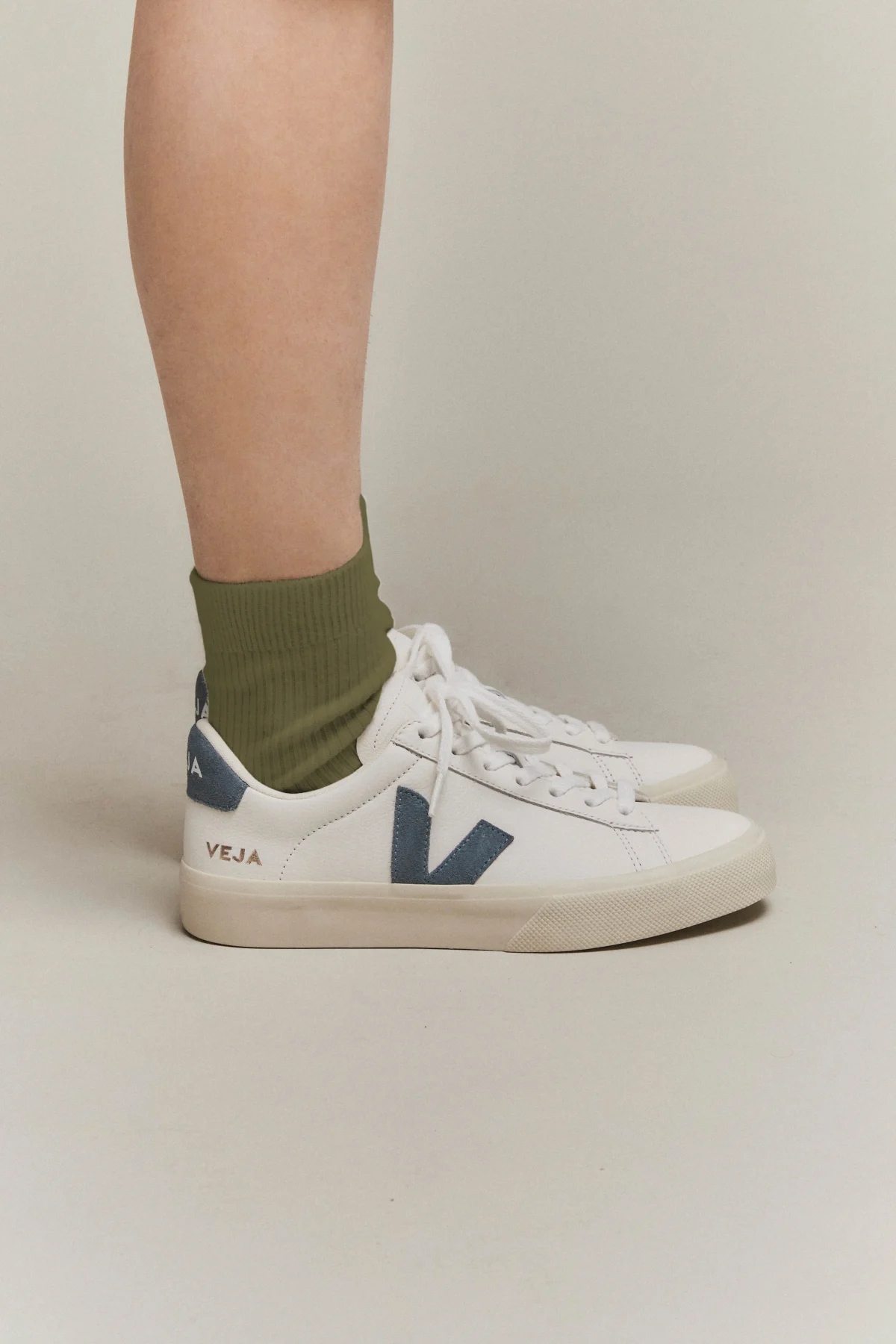
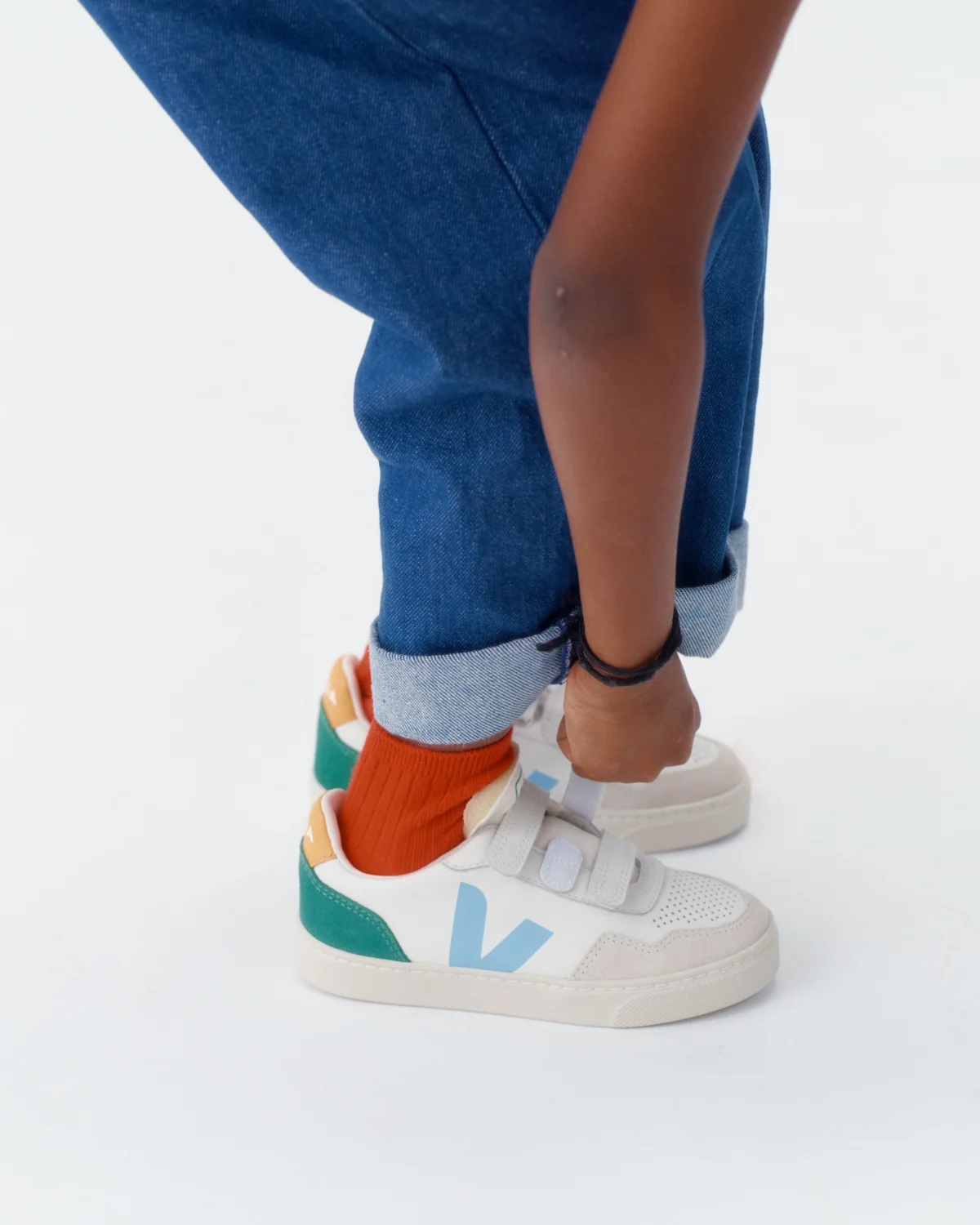
Carries: Everyday sneakers, sandals,
For: Adults & kids
Veja is one of your best options because they:
- are consciously-made at least in part out of natural materials
- are readily available at stores like Nordstrom, Amazon, Zappos, REI, Anthropologie, and others
- come in a variety of styles and sizes
- have a solid brand reputation for making a quality product
They do still use plenty of plastic (a lot of which is recycled plastic bottles), but they are continually working on developing and implementing more innovative and traceable materials. Their CWL ‘leather,’ for example, is a better type of vegan leather (most vegan leather is just straight-up plastic), which is made partially out of organic cotton.
Here are some of their shoes that use more natural materials like organic cotton, natural Amazonian rubber, and sugarcane based EVA foam. These do also use some synthetics like recycled polyester for the lining and a PU coating, but they use far more natural materials compared to the recycled plastic options.
You can find out more about all of their ethical & sustainable initiatives here.
More casual shoes and sneakers that use natural & non-toxic materials:
- Earthbound: These actually have a pretty high percentage of natural materials. They use hemp, wool, lyocell, linen, and natural latex. They say only 3% of the shoe is synthetic, which is the glue and laces. They’re OEKO-TEX certified too, which means they’ve been verified to be free from a variety of toxic chemicals. They have a PFAS-free water-resistant coating. They mostly carry converse-style sneakers for adults. The only problem is that they’re based in the EU, so US customers may have to pay extra for shipping.
- Moea: They use a lot of vegan plant-based leathers like apple, corn, cactus, grape, and mushroom. They carry different styles of sneakers in men & women’s sizes.
- 8000Kicks: The primary material they use for their uppers is hemp, which is great because not only is it natural but it’s also naturall antimicrobial and odor resistant. They do blend the hemp with other materials like cotton, recycled polyester, and elastane though. The soles are made of a combo of Bloom Foam and recycled soles of old shoes. The waterproof coating is PFAS-free. They carry sneakers, running shoes, slip-ons, and chelsea boots for women and men.
- Juntos: These are kind of similar to Allbirds. They use single-origin alpaca wool for the upper, coconut fiber for the padded soles, banana tree fibers for the inner lining, and sugarcane based EVA foam for the soles. They carry slip-ons and lace-ups for adults.
- Saola: Theses are made out of mostly synthetic materials, with the exception of the laces which are organic cotton. However, their materials are OEKO-TEX certified. They carry casual sneakers for adults.
- Groundz: They carry barefoot shoes for men and women that use a mix of synthetic and natural materials.
- Collective Canvas: I really like these ones. They use materials like organic cotton, hemp, cork, natural rubber, with some semi-synthetic foam mixed in. They have everyday sneakers and slip-ons for women and men. The main downside for us in the US is that they are based in New Zealand so shipping is quite expensive.
- Origo: They’re featured below in the barefoot shoes section, but I wanted to note here that they carry everyday sneakers for men, women, and kids that are made from mostly natural materials.
- Palladium: They have an Organic Line that includes sneakers and boots made of organic cotton canvas for the upper (and recycled rubber for the sole).
- Koio: While they do have some options for women, they are mostly focused on men’s sizes and styles. They have everyday sneakers, loafers, and classic dress boots. They use a lot of leather for the upper and the soles are usually a mix of both natural and synthetic rubber. For their vegan options, they use apple leather.
- Flamingos Life: They have casual sneakers and boat shoes (including barefoot & zero-drop styles) that are made out of a mix of natural and synthetic materials.
- Ekin: They also have casual adult sneakers, boots, and sandals made from a mix of materials, including chrome-free vegetable tanned leather, organic cotton, and synthetics. How much of the shoe is made of natural materials just depends on the specific style you’re looking at.
- Gensis: Like many of the other brands above, they do mix synthetics into their shoe construction, but they also use a variety of more innovative materials, including vegan leather made out of corn waste and banana leaves, sugarcane-based suede, and cork insoles. They carry sneakers for men & women.
- Earthing Harmony: In addition to their sandals, they also have everyday shoes like slip-ons, loafers, clogs, chelsea boots, and mary janes. They’re grounding shoes that are made of natural materials like leather and wax, with Ground-Flow™ rivets added.
- Sanuk: They have some slip-ons that use partially natural materials, including cotton, hemp, cork, and wool.
- Toms: If you like their styles, they do use mostly cotton for the upper canvas part of their shoes. (And some of them use partially recycled cotton, too.) The rubber they use for their soles is synthetic, though. This is one of the few brands that’s available at big box stores like Walmart.
Sandals
NAE
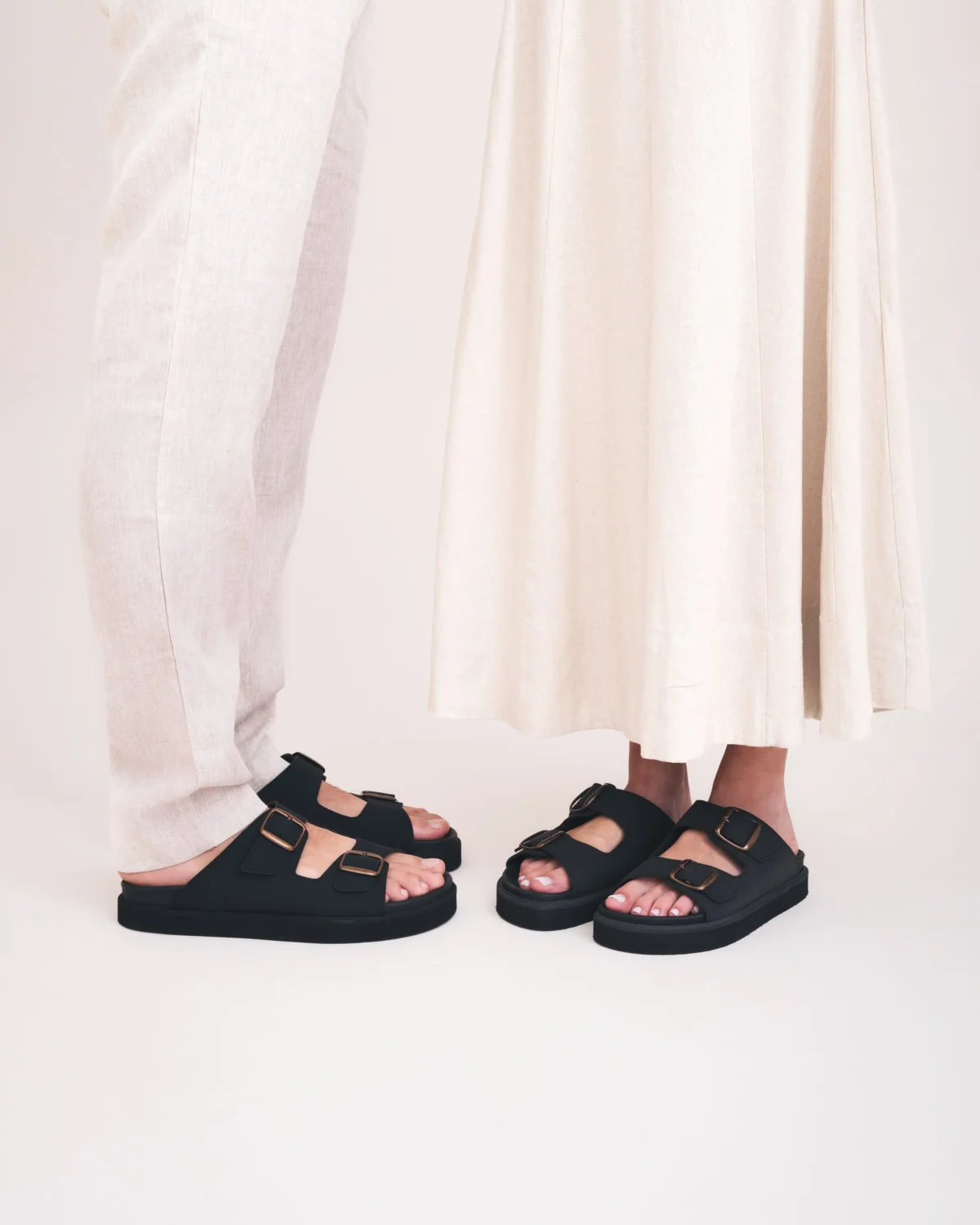

Carries: Sandals, loafers, slip-ons, heels, men’s dress shoes, and sneakers
For: Men & women
Although NAE is one of my top picks for non-toxic sandals, they also carry a lot of other non-toxic shoes as well, including dress shoes (for both men & women) and flats.
Their vegan leather is not totally natural, but they do use a mix of polyester, cotton, and nylon. They also incorporate other vegan leather materials wherever possible, including apple leather, Pinatex (pineapple), and cork.
Most of their shoes are OEKO-TEX certified as well, which means the finished product has been verified to be free from a variety of toxic substances.
Dress Shoes, Heels, & Flats
Poppy Barley
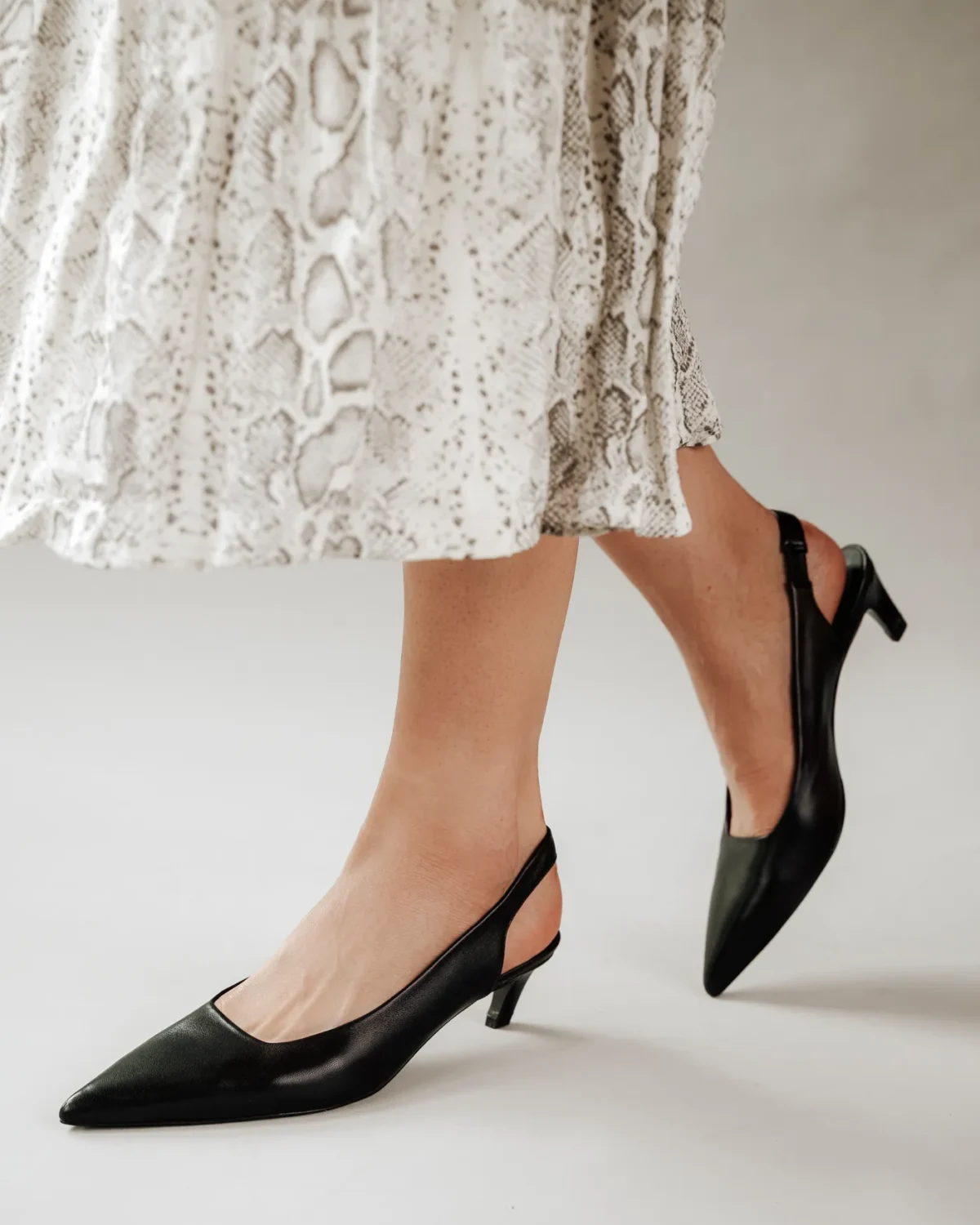
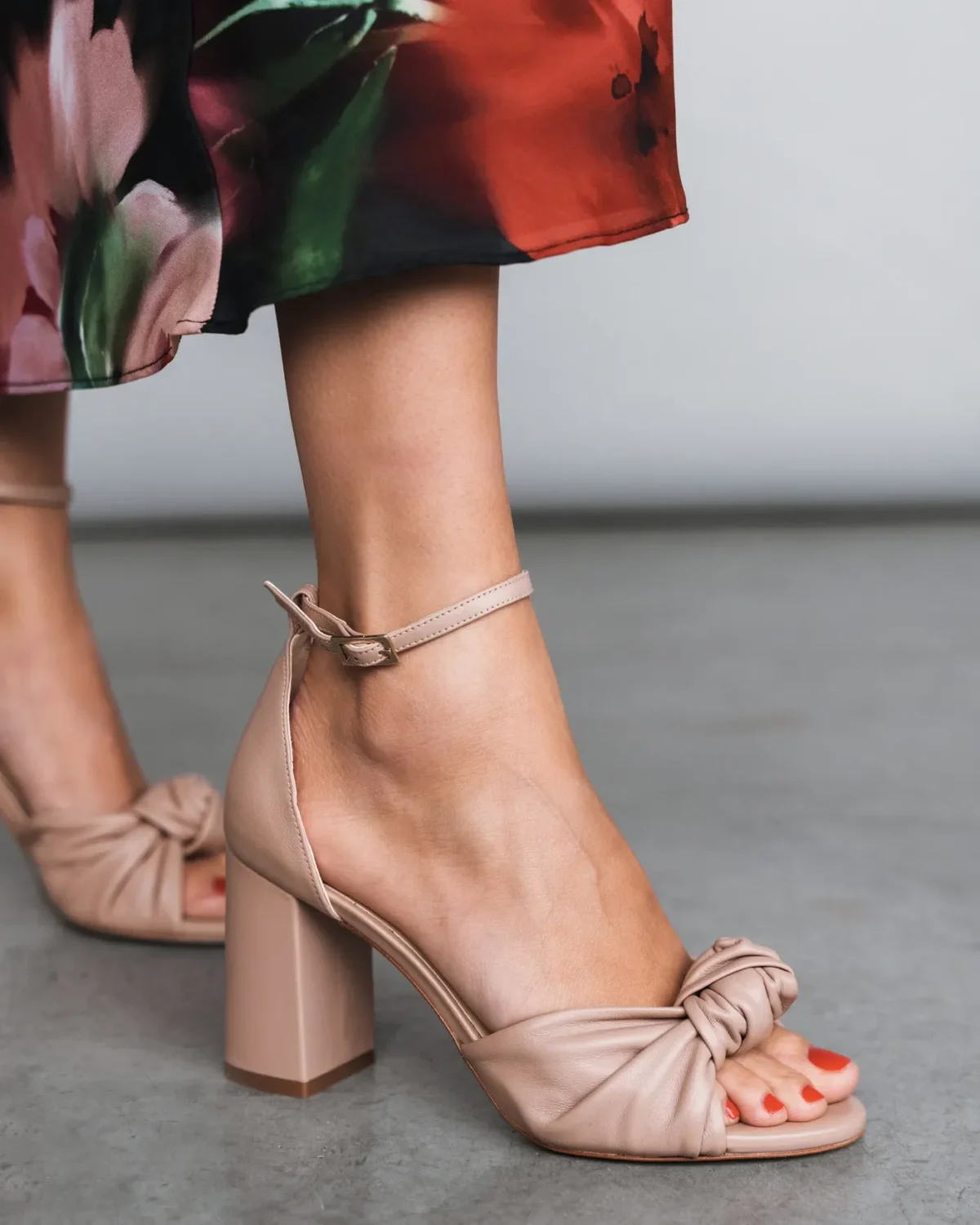
Carries: Heels, flats, loafers, mary janes, oxfords, and more
For: Women
Poppy Barley has a great selection, whether you need something for a wedding, for work, or travel.
They use Leather Working Group (LWG) certified leathers for their outer parts of the shoes. Although I wish that leather was all vegetable-tanned as well, the leather insole lining (the part that touches your foot) is chrome-free and vegetable-tanned, so that’s good. They also use cotton and water-based glues in various parts of the shoes too.
Plus, they’re a B Corp certified brand that ensures ethical and transparent labor practices.
Other brands that offer non-toxic heels and dress shoes for women:
- NAE: As I mentioned above, NAE incorporates a lot of plant-based leathers into their shoes. In the heel department, they carry sling-backs, pumps, and more. They’re also probably my top choice for men’s dress shoes, as they have a collection of derbies to choose from. (Finding non-toxic men’s dress shoes has been a challenge.)
- Origo: I have them below as a top pick for natural barefoot shoes. They do carry men’s derby styles, which could be worn as a semi-dress shoe. For women, they carry several different flat styles that could be worn for business casual.
- Biankina Barcelona: They carry Espadrilles that are made of organic cotton canvas, natural jute, cork, and glue-free natural vulcanized rubber. They have wedges for women and slip-ons for men. They artisan-made in Spain. Also, this link will get you 10% off.
- Sarah Flint: While the leather they use is not veggie-tanned (it is LWG certified), Sarah Flint has been taking initiatives to move toward more non-toxic materials. For example, they use water-based glues and they have a Sustainable Steps Collection, which implements natural latex foam and low-chrome tanning. They carry pumps, sling-backs, sandals, loafers, flats, and bridal heels.
- Green Laces: They do have a couple of options for unisex derby dress shoes that are OEKO-TEX certified and PVC-free, and REACH compliant. They are almost completely synthetic though. Also, they’re based in Stockholm so you’ll probably have to pay extra for shipping if buying from the US.
Non-Toxic Running Shoes
Hylo
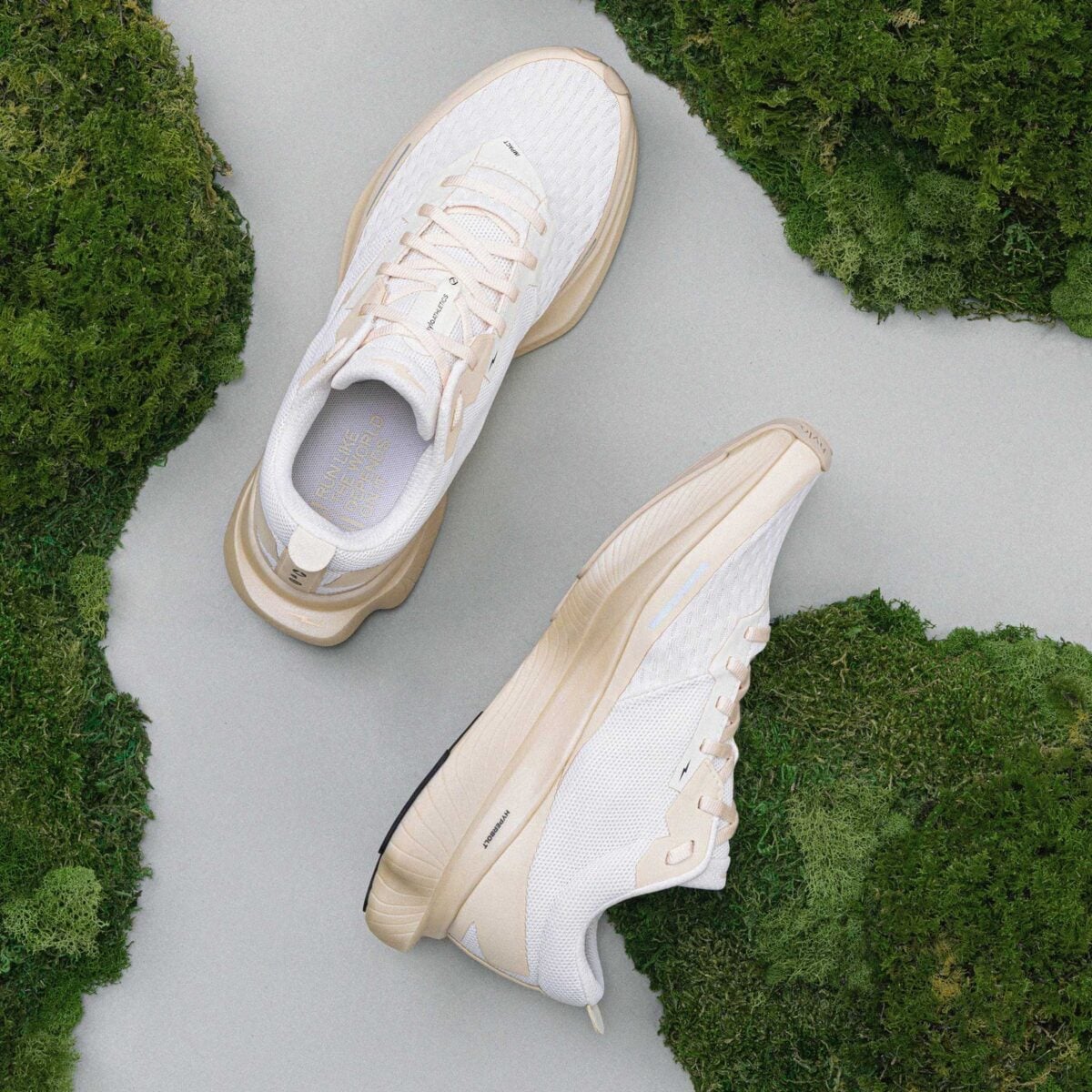
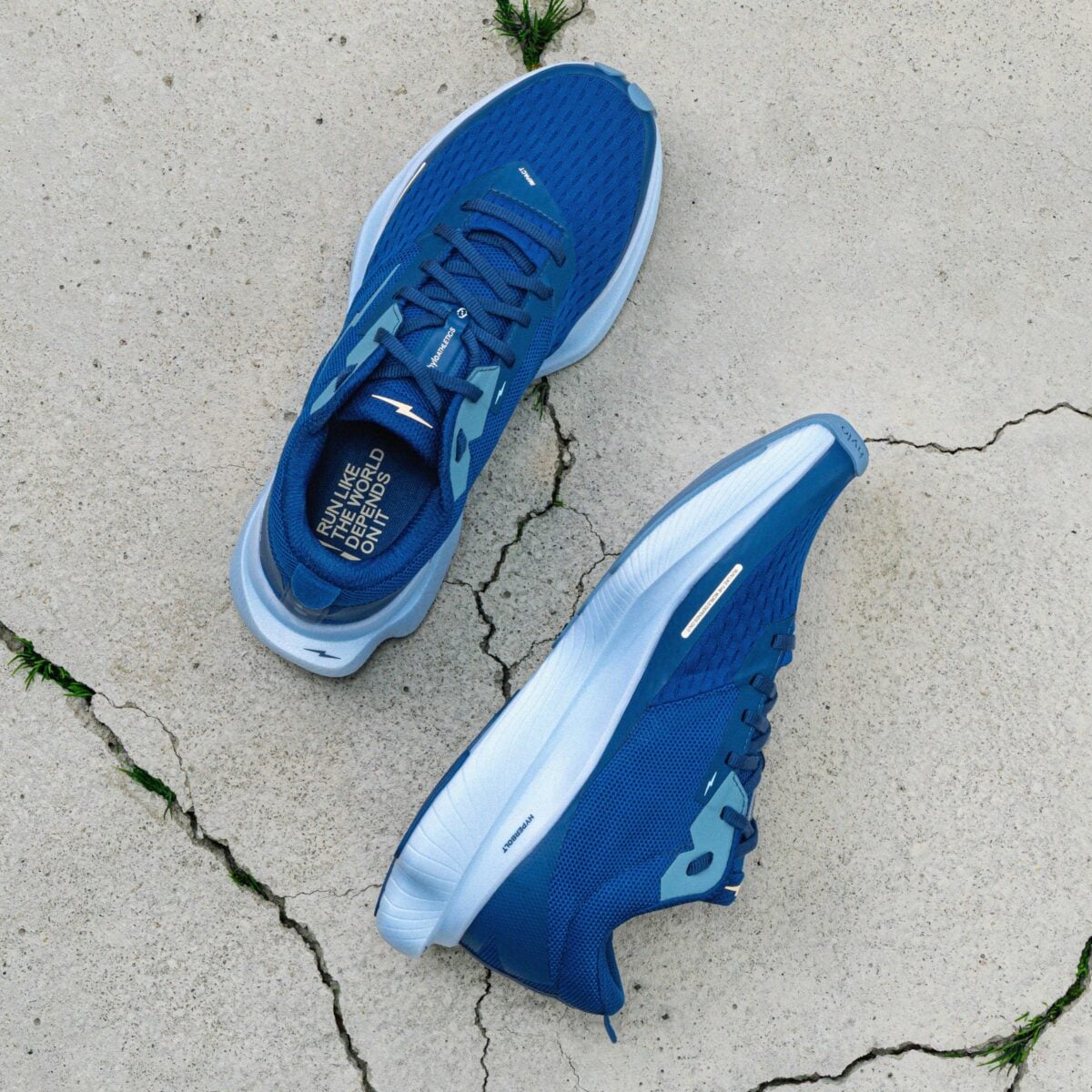
Carries: Low-tox running shoes
For: Adults
You’d probably guess that you’re not going to find a totally plastic-free running shoe, but Hylo is doing a pretty good job, specifically with their Impact shoe. It uses a bio-based nylon (sourced from castor bean oil) for the upper, cornstarch-based EVA for the midsole, 60% natural rubber for the outsole, and TENCEL for the laces. Plus water-based glue to hold it all together.
Honestly, not that bad when you consider that you end up with a shoe that can compete with 100% plastic Adidas.
More brands to check out for running shoes:
- Icebug: They have trail running shoes, as well as walking shoes, hiking boots, and other types of boots. They have a lot of different styles to choose from. Their transparency is robust, so you can see right on the product page what percentage of the shoe is bio-based versus recycled, where everything is made, and more. Although they do use a lot of synthetics, they have some good things going for them as well. They use natural rubber and corn-based plastics. And many of their components are OEKO-TEX and/or bluesign® certified for chemical safety. Plus, their waterproof coating is PFAS-free.
- On: Definitely not the worst! Although they do use a lot of plastic, On Running does have an okay chemical management program in place, especially for their size. They say they make sure their suppliers are aligned with the Restricted Substance List (RSL) from the Apparel and Footwear International RSL Management Group (AFIRM), and that they also test their shoes products against OEKO-TEX 100 standards. (Although it doesn’t look like they are certified.) You can also track their initiatives, progress, and goals here.
- Brooks: They have a similar chemical management program as On. They have a Restricted Substances List, which includes all chemicals regulated by EU’s REACH and California’s Prop 65 (which are essentially the most strict lists in the world). They say they try to source materials that are bluesign® and/or OEKO-TEX certified and that all of their products launched after 2024 are PFAS-free. You can read more about their initiatives here and here.
- Veja: They do carry running shoes, although they use more synthetic materials compared to their more casual sneakers.
Non-Toxic Shoes for Kids
Wildling
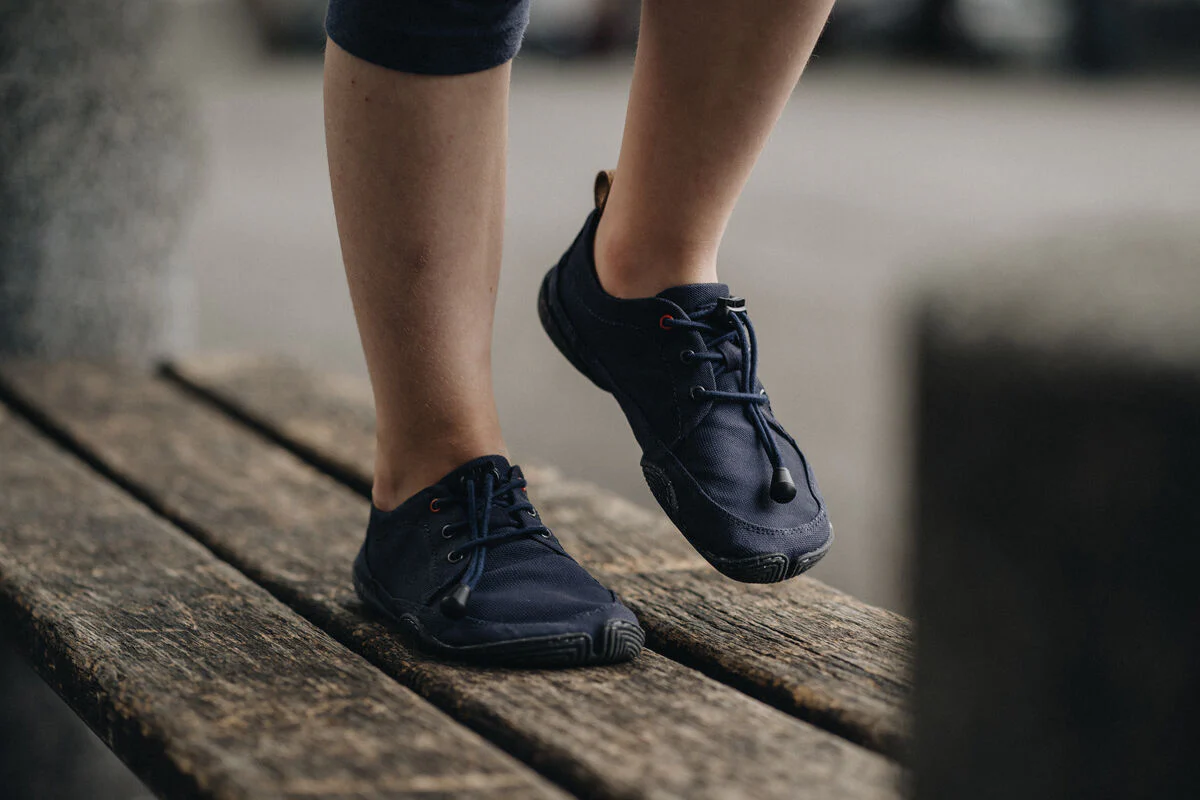
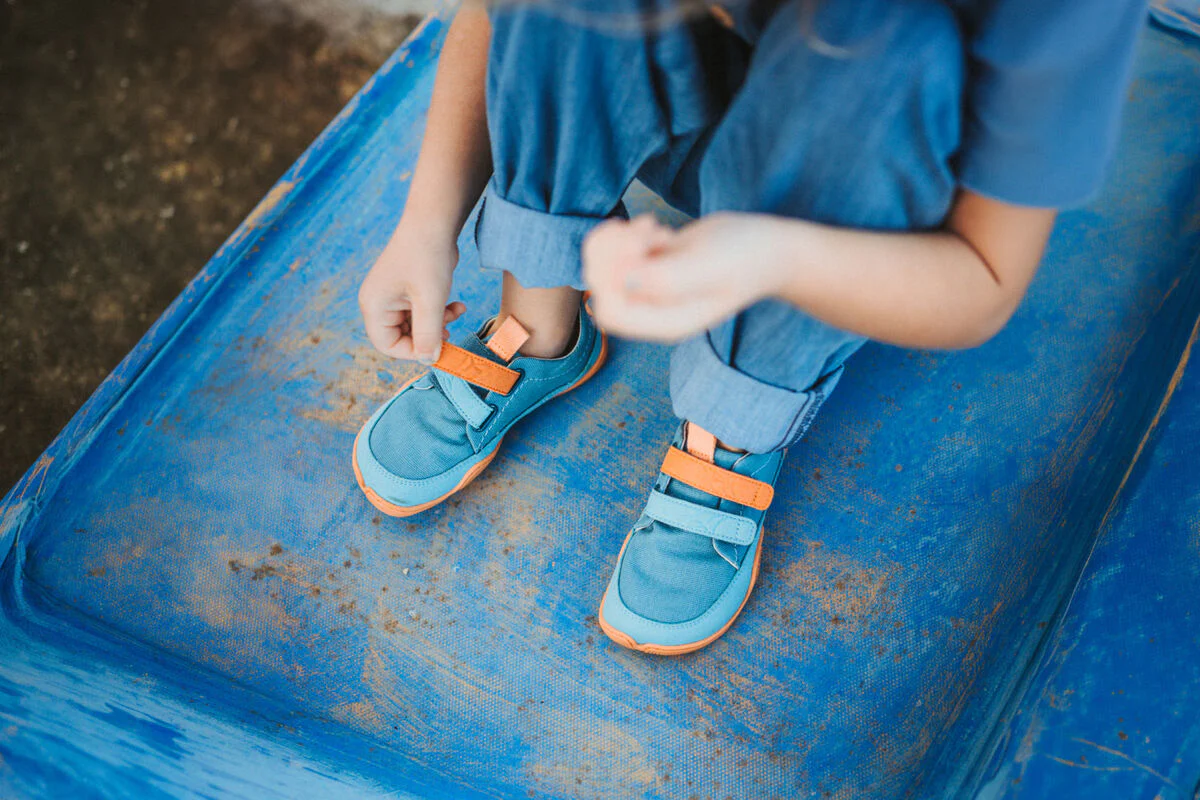
Carries: Sneakers, sandals, and rain boots
For: Toddlers, kids, & adults
Like pretty much all of the other brands on this list, some of Wildlings designs use more natural materials than others. But their Cotingas and Tanukis use a lot of natural materials, including organic cotton canvas, hemp-flax fleece, and a mix of natural and synthetic rubber.
Some of their designs also utilize Japanese washi paper, which has actually won them the German Design Award.
In addition to implementing more regenerative materials, they have other health-focused initiatives as well.
If you’re in the US/North America, use the code thefiltery10 for $10 off. If you’re in Europe/International, use the code thefiltery5 for €5 off.
More brands to check out for non-toxic shoes for kids:
- Softstar: They offer zero-drop minimalist shoes that are handmade in Oregon. (They make the entire shoe in their own factory!) Most of their soles are made from a “rubber compound,” but they source it from a company called Vibram, which adheres to REACH and bluesign® standards for chemical safety. For the leather uppers, they use both locally-sourced leather and vegetable-tanned options. They also incorporate OEKO-TEX certifeid wool in many of their styles. You can read more here.
- Pololo: They carry shoes for kids and babies that use materials like organic cotton and vegetable-tanned, chrome-free leather. They have little sneakers, velcro shoes, zip-up booties, and sandals.
- KEEN: See below.
- Origo: See above.
Work & Hiking Boots
KEEN

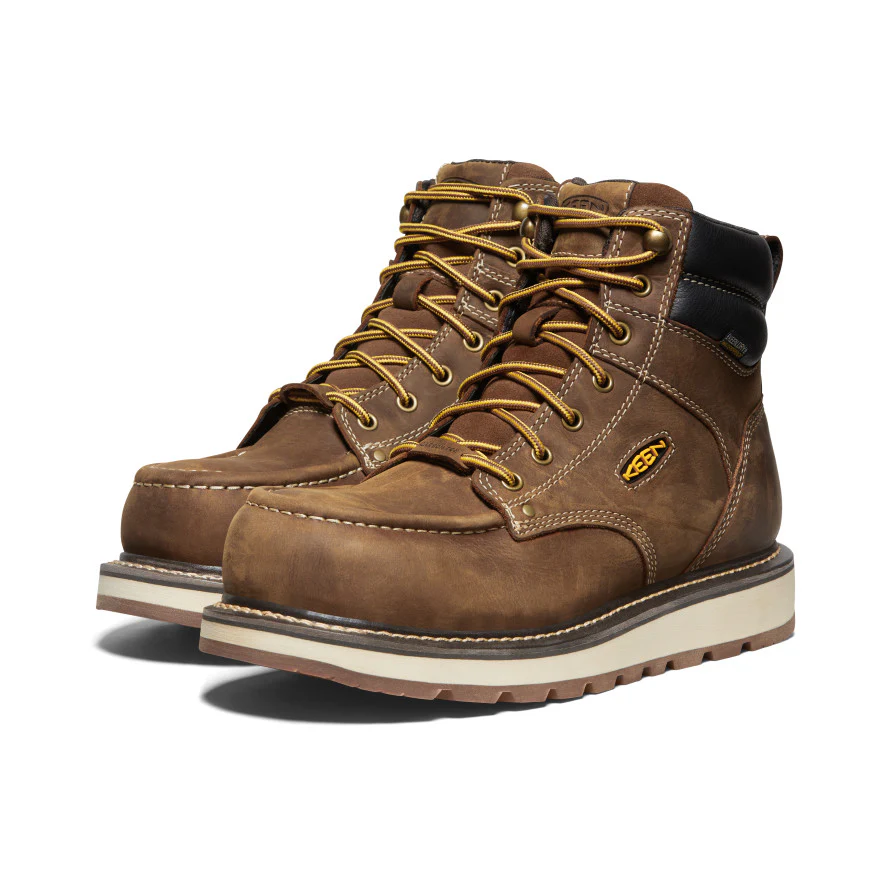
Type: Durable, PFAS-free synthetics
Carries: Boots (for work and hiking), sandals, sneakers, slip-ons and more
For: Adults & kids
KEEN was the first US-based shoe brand to go completely PFAS-free back in 2018. Which is kind of impressive considering not only the size of their collection but also the fact that so many of their are super durable and waterproof.
My husband, Keith, and I both have KEEN hiking boots and we love them. They’re very comfortable and you can just tell they are well-made. Whenever anyone tells me they’re in the market for new shoes for hiking, trail running, or work, I tell them to try KEEN first.
Most of KEEN’s shoes are not all-natural. But this is honestly just a trade-off if you want something that’s super functional, durable, and waterproof. The fact that they are not only PFAS-free but also manufactured ethically in other ways as well is good enough for me, all things considered.
Barefoot Shoes
If you’re into barefoot shoes, here are some brands that use natural materials:
Origo
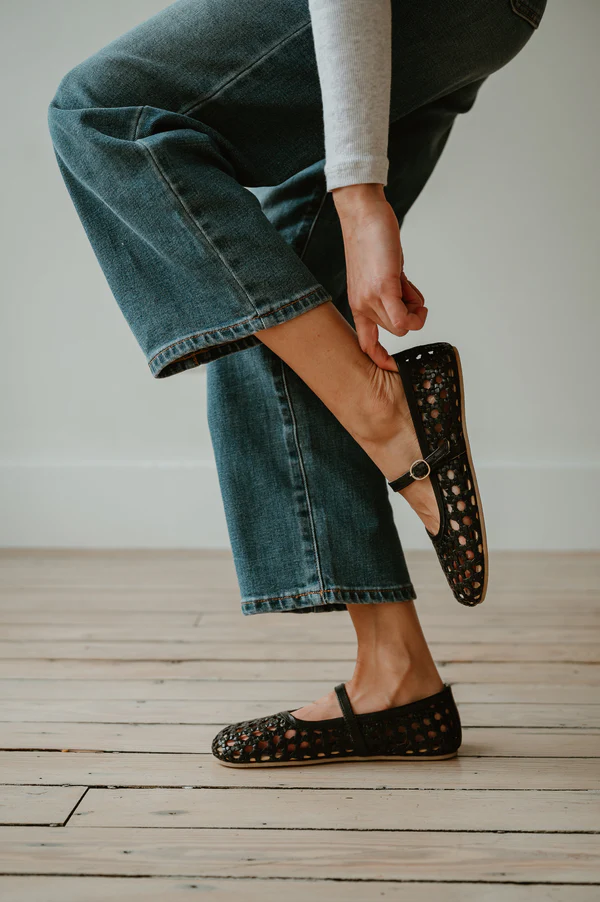
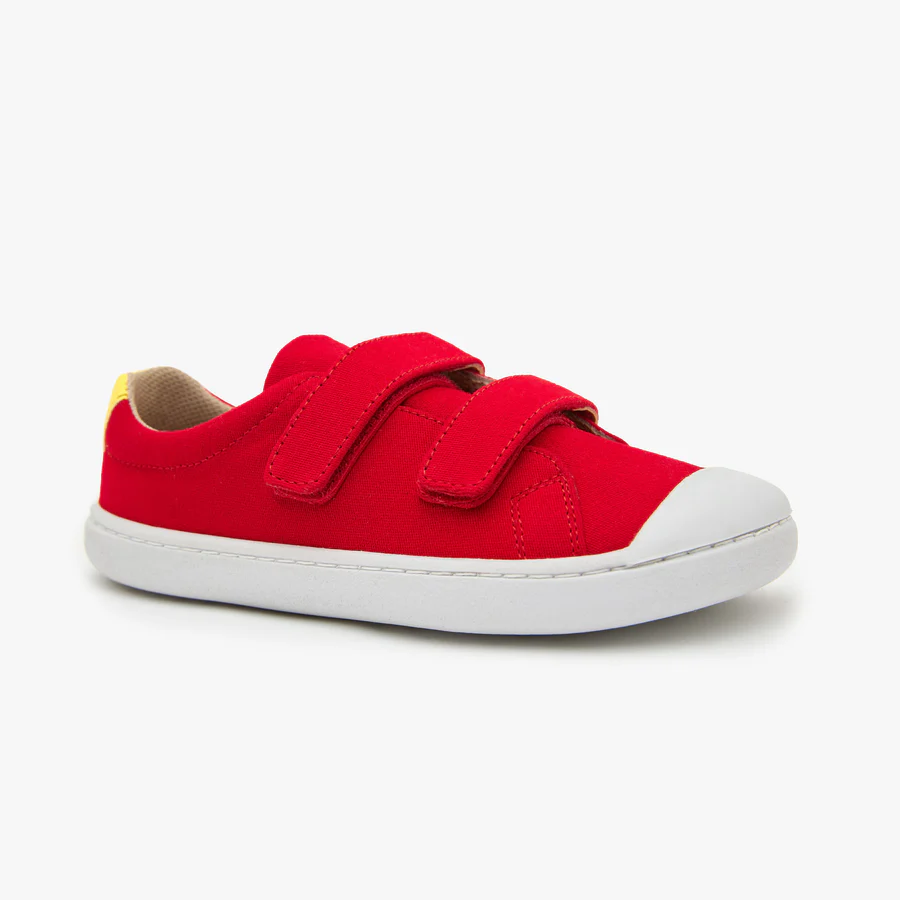
Carries: Everyday sneakers, derbies, huaraches, mary jane flats, boots, and velcro sneakers for kids
For: Women, men, & kids
The primary materials Origo uses are cotton canvas, leather (both veggie-tanned and LWG regular, depending on the specific shoe), and rubber.
I like how they have a wide variety of styles for the whole family too, from play shoes for kids to styles that adults could wear to the office.
They also keep their entire production and supply chain in North America, which is impressive!
Other barefoot shoes that minimize plastic:
- Wildling: See above.
- Groundz: They use a mix of synthetic materials combined with natural ones like wool, chrome-free leather, castor bean foam, cork, and natural leather. They carry sneakers, sandals, and slip-ons for adults.
- Pololo: They carry sandals, slip-ons, and sneakers for adults, kids, and babies that are made of things like organic cotton and vegetable tanned leather.
- Vivo Barefoot: Probably the most well-known barefoot shoe brand, they do incorporate natural materials in some places. They use natural rubber, wool, and mushrooms. They do use a lot of recycled plastics though.
What to look for: Materials that make a shoe low-tox
Vegetable-tanned leather: Conventional leather is tanned with chromium, which can not only leave heavy metals in the end product itself, but can also be very toxic to workers and surrounding communities. Vegetable-tanned leather, on the other hand, uses plants to do the same job the metals do (it just takes longer).
I have found that a lot of shoe brands use Leather Work Group (LWG) certified leather, which is not the same as veggie-tanned leather. It is a step-up in terms of sustainable and traceable sourcing, but it’s just worth noting that LWG does not equal vegetable-tanned. That said, sometimes LWG might be all that’s available in the specific type of shoe you’re looking at.
Natural rubber: A lot of “rubber” is actually a type of plastic. Natural rubber, however, is tapped from the sap of hevea trees and is renewable and biodegradable. Even better if it’s FSC certified, which means it’s sourced from responsibly managed forests.
I have found that a lot of shoe brands use a mix of natural, synthetic, and recycled rubber.
Plant-based leather alternatives: A lot of “vegan leather” is also just plastic (usually either PVC or PU), so you have to be careful about that. But there are a lot of innovative plant-based leathers on the market these days, including cactus, pineapple, corn, banana leaf, apple, cork, and mushroom. Some of them are blended with plastics, but still—it’s a step in the right direction if you ask me.
Cork: A lot of shoe brands use cork for the footbed or insole. It’s renewable, naturally antimicrobial, lightweight, and shock-absorbing. The downsides are that it’s not super durable and can’t always meet the desired aesthetic.
Organic cotton, hemp, linen, and wool: A lot of the shoe brands above use some combination of these natural materials for the upper part of the shoe and/or laces. All of these plants require fewer pesticides to grow and harvest, are more easily biodegradable, and don’t lead to increased microplastic exposure.
OEKO-TEX and/or bluesign certifications: Both of these third-party certifications indicate that a material or finished product has been verified to be free from a list of toxic chemicals.
Whereas most of the fibers above have to do with the base material itself, OEKO-TEX and bluesign have more to do with the finishing. Think dyes, waterproof treatments, and processing chemicals.
Sometimes, if we have to buy something that’s basically all-plastic (like running shoes), then looking for one of these certifications can be helpful in ensuring that the shoe is at least better.