
A few of my top picks by category:
Cleanest whey protein powder: Puori
Cleanest vegan/plant-based protein powder: Momentous
Cleanest organic protein powder: Ora
Most minimal ingredients: Equip (beef; no whey/dairy)
100% plastic-free packaging: Heart & Soil
Pregnancy/breastfeeding-safe: Perelel
No natural flavors at all: Be Well By Kelly
+ a lot more brands to choose from & more info below!
You’ve probably heard that heavy metal contamination in protein powder is a real problem.
Every year or so, Consumer Reports comes out with an article about protein powders they’ve tested that contain heavy metals like lead and cadmium. These reports usually make headlines and then everyone choose a side:
- some people totally freak out 😱
- and other people say “everything is contaminated, it doesn’t even matter, stop worrying about it!” 🙄
Here at The Filtery, however, my goal is to try and bring you a more sane and balanced approach.
Honestly, this issue is a rabbit hole. I could probably write an entire book about it. But I don’t want to get too far into the weeds for the sake of this article, because I know you’re probably short on time (and energy) and you just want to be told what to buy, right?
So let me give you the spark notes:
- Everything is contaminated. Yes, it’s true. Heavy metals do occur naturally in soil (at low levels), but the real problem comes from industrial pollution. If we want to get the contamination in our soil, water, and air under control, we have to have stricter laws on what manufacturers are allowed to use in their products, how much they are allowed to dump into the environment, and how much they are required to clean up. This is true not only for heavy metals but also for PFAS, plastics, pesticides, and more.
- Contamination can vary by type of food. The reason plant-based protein powders tend to have higher levels of heavy metals than animal-based ones is because plants draw more metals from the soil. (That’s not to say whey protein powder is ‘clean’ though. Animal-based protein has it’s own problems; for example, it can have higher levels of persistent organic pollutants, or POPs.)
- Furthermore, certain types of plants naturally take up more toxicants from the soil than others. For example, rice protein tends to have higher levels than pea. Also, chocolate tends to be higher in metals than vanilla. This is why you’ll sometimes see a Prop 65 warning label on a chocolate flavor powder, but not the vanilla or unflavored version of the same product—the cocoa combined with the plant protein can kick it over the edge of the Prop 65 limit.
- Supplements are largely unregulated. One of the reasons why this problem exists with protein powders specifically is there aren’t very many rules about label accuracy or contaminant testing for supplement companies. Third-party certifications like Clean Label Project and NSF can help fill this gap. I talk more about that below.
- We’re aiming for LOW contaminants, not NO contaminants. Since there’s no such thing as 100% “clean” protein powder, we need to:
- a) accept that reality, and
- b) look for brands that work to get their contamination levels as low as possible, and then are transparent about it. I’lll talk more about testing and third-party certifications in a moment.
- A few other practical things you can do:
- Focus on what you do regularly. If you’re someone who consumes protein powder, shakes, or bars on a daily basis, finding a clean protein powder matters more for you than for someone who has one occasionally.
- Get protein from a variety of sources. If you can rotate between different protein sources (pea, hemp, whey, etc), you reduce the likelihood of accumulating a high amount of any one contaminant from a single source.
- Prioritize whole foods over supplements when possible. Whole foods generally have lower concentrations of contaminants, and they also contain antioxidants, vitamins, and minerals that help reduce absorption of toxic chemicals and counteract their effects.
- For more context into my take on why everything is contaminated, check out this podcast episode.
- For more context into Prop 65 warning labels and whether or not you should worry about them, check out this article.
There are brands doing their best to make the cleanest protein powder possible.
For this article, I set out to find those brands.
What this guide includes:
This guide contains product recommendations and we may receive compensation if you purchase through certain links. As always, we only make recommendations that are genuine!
Third-party certifications to look for in the cleanest protein powders
When it comes to testing for things like heavy metals, plasticizers, and other contaminants, there are two primary organizations I look for:
Clean Label Project (CLP): This is my go-to resources for clean protein powder, vitamins, and other supplements. CLP has various types of certifications, but there are two main ones I’m looking for on protein powder:
- Clean Label Project Certified: This means the product has been tested for a LOT of different substances, including lead and other heavy metals, pesticides, glyphosate, phthalates, bisphenols, and more. It doesn’t mean the product has ZERO of any of that, but it means the levels are in compliance with the strictest standards in the world (CA Prop 65 and EU regulations).
- Purity Award: This label is even BETTER than the one above. It means that the product ranked in the top 3 of its category.
NSF: You might think of this as the certification that makes sure banned substances aren’t sneaking into supplements that professional athletes consume, but they actually test for a lot of other stuff as well. Like CLP, NSF has several different types of certifications:
- NSF Certified for Sport: This is the main one you want to look for; it is the most rigorous. Tests for 290+ banned substances, verifies label accuracy, checks for unsafe contaminant levels (including heavy metals), and audits the manufacturing facility for GMP compliance annually. Every batch is tested.
- NSF Contents Certified: This one is a tier below Certified for Sport. It verifies that what’s on the label matches what’s actually in the product, and tests for unsafe levels of contaminants. (It does not include banned substance screening.)
Lastly, there’s Informed Sport, which is less common. Like NSF, they do testing for banned substances and label accuracy; however, they do not focus as much on contaminants like heavy metals, plasticizers, pesticides, etc.
There is a serious lack of regulation when it comes to the supplement industry, so these organizations help to fill the gap when it comes to verification and accountability.

If a protein powder brand does not have any of those third-party labels, then I look at their own transparency. How much information do they give us about their testing? Do they tell us what they actually test for? Do they publish their results for customers to see for themselves?
What else to look for in a clean protein powder?
These things are going to come down to your personal priorities and preferences:
- Organic ingredients and/or certifications: How important is it to you that the ingredients (either some of all of them) are certified organic?
- Minimal ingredients: A lot of people prefer formulations that use real food and aren’t stuffed with a bunch of artificial fillers.
- Sweeteners? My favorite brands are free from artificial sweeteners like sucralose, acesulfame potassium, or aspartame. Instead, they use things like stevia, monk fruit, or even real sugar like cane sugar or maple syrup. Which sweeteners you want will come down to a personal decision.
- Natural flavors? Many people prefer to avoid or minimize “natural flavors” because it’s a non-specific ingredient that doesn’t actually tell you what’s in it. And while I get that, I personally would prefer to prioritize brands that are more stringent about their contaminant testing; natural flavors are less of a priority for me here. I’ve noted which brands below use natural flavors and which ones don’t.
My picks for the best clean protein powders
Puori
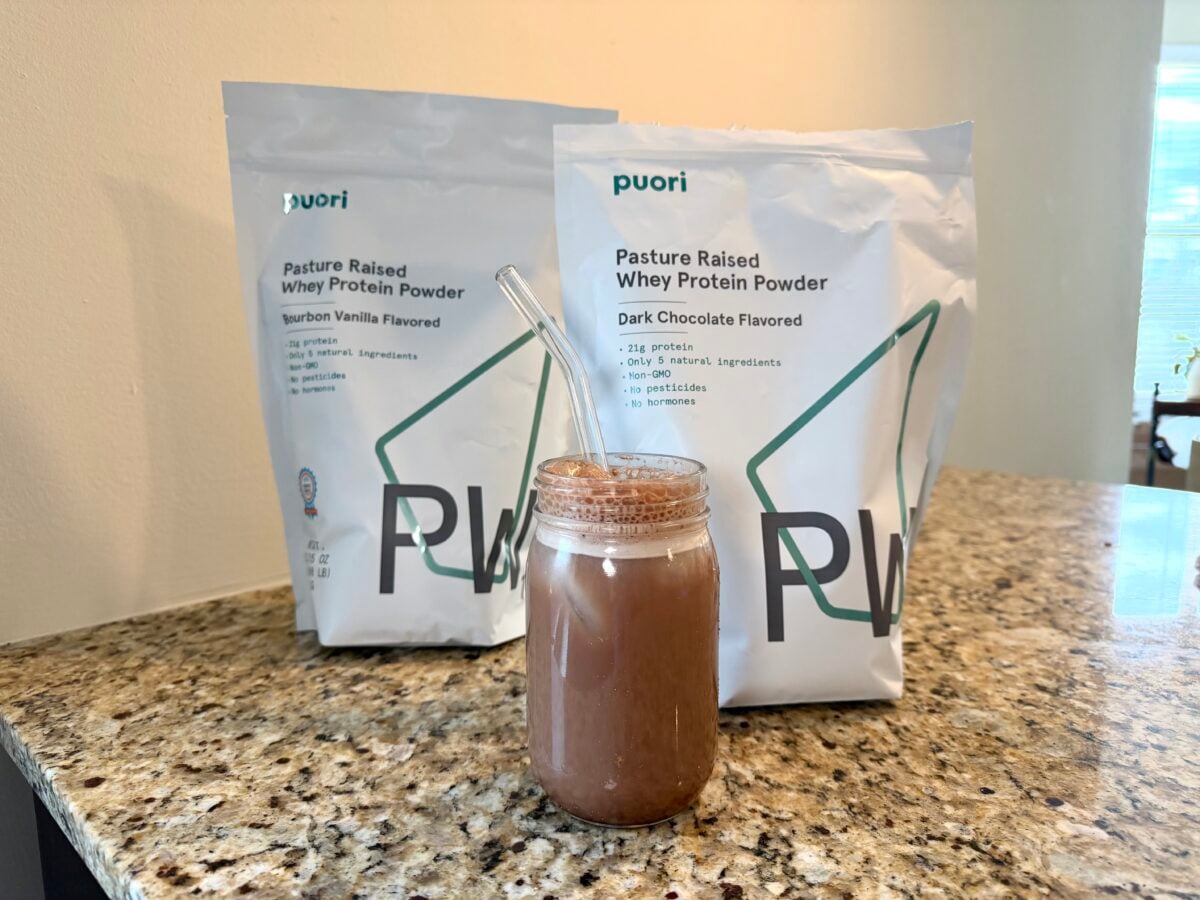
What sets it apart: Very thorough & transparent third-party testing; cleanest whey protein powder
Protein types: Grass-fed whey (which they call PW1), whey + collagen blend (which is called CP2), plant protein “booster” (which is vegan—they call this one PB)
Vegan options? Yes, the PB Plant Protein Booster is vegan-certified (by The Vegan Society)
Protein per serving: 10 (plant-based), 21g (whey), 30g (whey + collagen blend)
Flavors: Dark chocolate, bourbon vanilla, unflavored
Certifications: They have multiple different Clean Label Project certifications and awards: the regular certification, Purity Award winner, Transparency Award winner, and certified pesticide-free.
Third-party testing: I really appreciate that they publish their test results online for you to see. You can either find them linked on each product page, and/or you can scan the QR code on your product packaging.
There is a lot of information in these tests. They test for everything from heavy metals and residual solvents to bisphenols, phthalates, pesticides, antibiotics, and more. They also test for label accuracy as well.
I have yet to find another protein powder brand that is extensive and transparent when it comes to third-party testing and certification as Puori.
Organic? Some of the ingredients used (like the coconut sugar, cacao powder, and pea protein) are organic, but the full products are not certified organic.
Sweetener used: Organic coconut sugar for the whey and collagen blend. The vegan option is unsweetened.
Price: $35-$79 before discounts; between $2 and $3 per serving, depending on the specific product
My review:
Puori is definitely my top pick for the cleanest protein powder.
Let me give you the quick rundown on their different products:
- The PW1 is their flagship grass-fed whey protein powder. (This is the only one I’ve tried so far.) This is basically like your traditional whey protein powder.
- The PB Plant Protein Booster is their vegan option, BUT they call it a “booster” because it’s not really meant to be used as a stand-alone shake. It’s only got ~10g of protein and is designed to be added into something you’re already eating—whether that’s a smoothie, oatmeal, or something else. (And it’s unflavored so it won’t change the taste.)
- And then the CP2 is a whey and collagen blend (roughly two-thirds whey, one-third collagen) for people who want to combine muscle-supporting protein with collagen for joint, bone, and skin benefits in a single scoop. At 29g of protein per serving it’s actually their highest-protein option… but it’s also their priciest.
So which one of those you choose will really just depend on what you’re looking for.
A few notes on ingredients that you may want to know about:
- They do use “natural flavors” in the whey protein. They say it constitutes less than 0.2% of the product and it’s derived from fermented stevia. Even though some folks to try stay away from ‘natural flavors’ because of the transparency issue, this does not bother me personally, especially when you consider the extensive testing and transparency that Puori has otherwise.
- The whey protein uses real sugar—it has about 3g of sugar per serving (in the form of organic coconut sugar). Not a big deal for most people, but those watching sugar intake may just want to be aware.
- They whey used is concentrate, not isolate, which means it’s probably not good for those with lactose intolerance.
Overall, the taste & texture of the Puori is great. I personally will almost always prefer chocolate flavor to vanilla, but the Vanilla Bourbon one is really not bad! The chocolate is a bit lighter and less rich compared to some of the others. It mixes up well with my frother and is smooth after it’s mixed up—there’s not any of that gritty texture that sometimes comes with protein shakes.
Will I re-buy it? For sure.
P.S. You can get 20% off with the code THEFILTERY.
Momentous
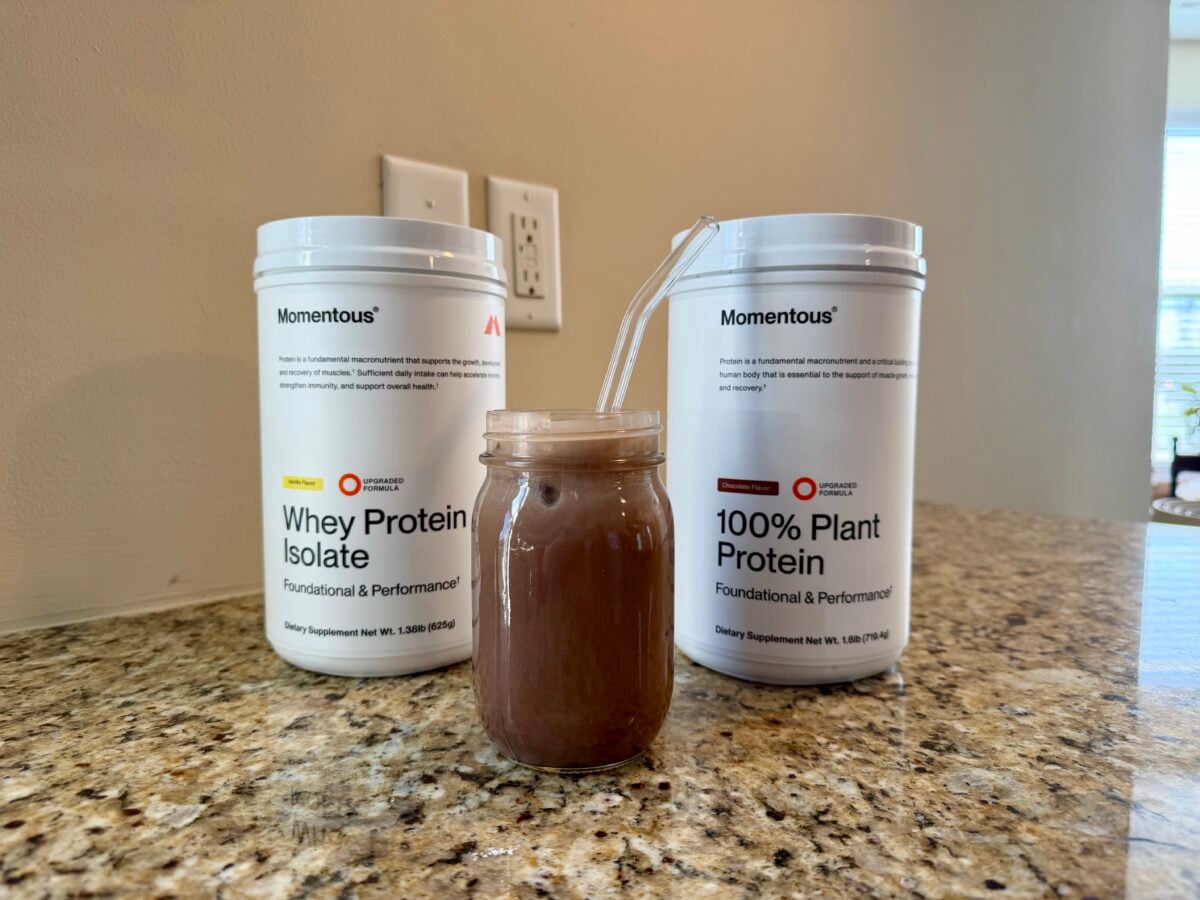
What sets it apart: Tastiest plant-based protein powder; also my top pick for athletes because it’s NSF Certified for Sport, which means they test for contaminants as well as banned substances
Protein types: Grass-fed whey protein and 100% plant protein powder
Vegan options? Yes, their 100% plant protein powder is vegan
Protein per serving: 20g
Organic? No. A couple of the ingredients in the plant-based protein are organic though (the brown rice protein and cane sugar).
Flavors: Unflavored, chocolate, vanilla, strawberry, cinnamon, cpiced chair, mint chocolate, chocolate coconut, cappuccino
Third-party testing: In addition to being NSF Certified for Sport (which screens for banned substances as well as label accuracy), they also publish all of their COAs on their website so you can check for heavy metal & microbial content, nutrition accuracy, and more. They also use Light Labs which makes the lab test results more accessible and reader-friendly on each of the product pages.
Certifications: NSF Certified for Sport. (When it comes to heavy metals specifically, supplements must have less than 10 micrograms per day for lead and inorganic arsenic, and 4.1 micrograms per day for cadmium in order to be NSF certified.)
Sweetener used: Depends on the specific product & flavor, but they use stevia, Reb-M (which sourced from stevia), monk fruit extract, or organic cane sugar. They don’t use any artificial sweeteners in any of the varieties.
Price: Starting at $40 or $3.33/serving before discounts. Discounts available for subscriptions and bundles.
My review:
A few ingredient notes I think are worth mentioning:
- Their formulations contain very minimal ingredients. The Unflavored one, for example, literally only has two ingredients: whey protein isolate and ProHydrolase®.
- The ProHydrolase® is a digestive enzyme blend which helps to improve protein breakdown and absorption, and reduce bloating.
- The whey protein is sourced from cows on European dairy farms that are pasture-raised, grass-fed, and not treated with hormones such as rBST.
- They do use ‘natural flavors’.
You may have seen Momentous in the Consumer Reports testing for their chocolate plant-based protein, which they found to have a moderate level of lead. It’s worth noting that they have actually discontinued that specific protein and have reformulated their plant-based protein since then. Here’s what they changed:
- They switched the sourcing. So now they use what they call PURIS® pea protein, which is sourced exclusively from the U.S. and Canada, in a 70:30 pea-to-rice ratio.
- They also removed some of the fillers (guar gum, sunflower lecithin, and silica).
I really like to see companies continually making improvements like this.
Their chocolate plant-based protein powder noticeably had the smoothest texture of all of the brands I’ve tried. It mixes up really well and is super creamy. Because of that, I’ve found myself reaching for that one the most often.
The vanilla one is fine too! (Again, I’m just biased toward chocolate.) The whey version blends well with my frother, but it’s not as noticeably smooth & creamy as the plant-based one.
Perelel
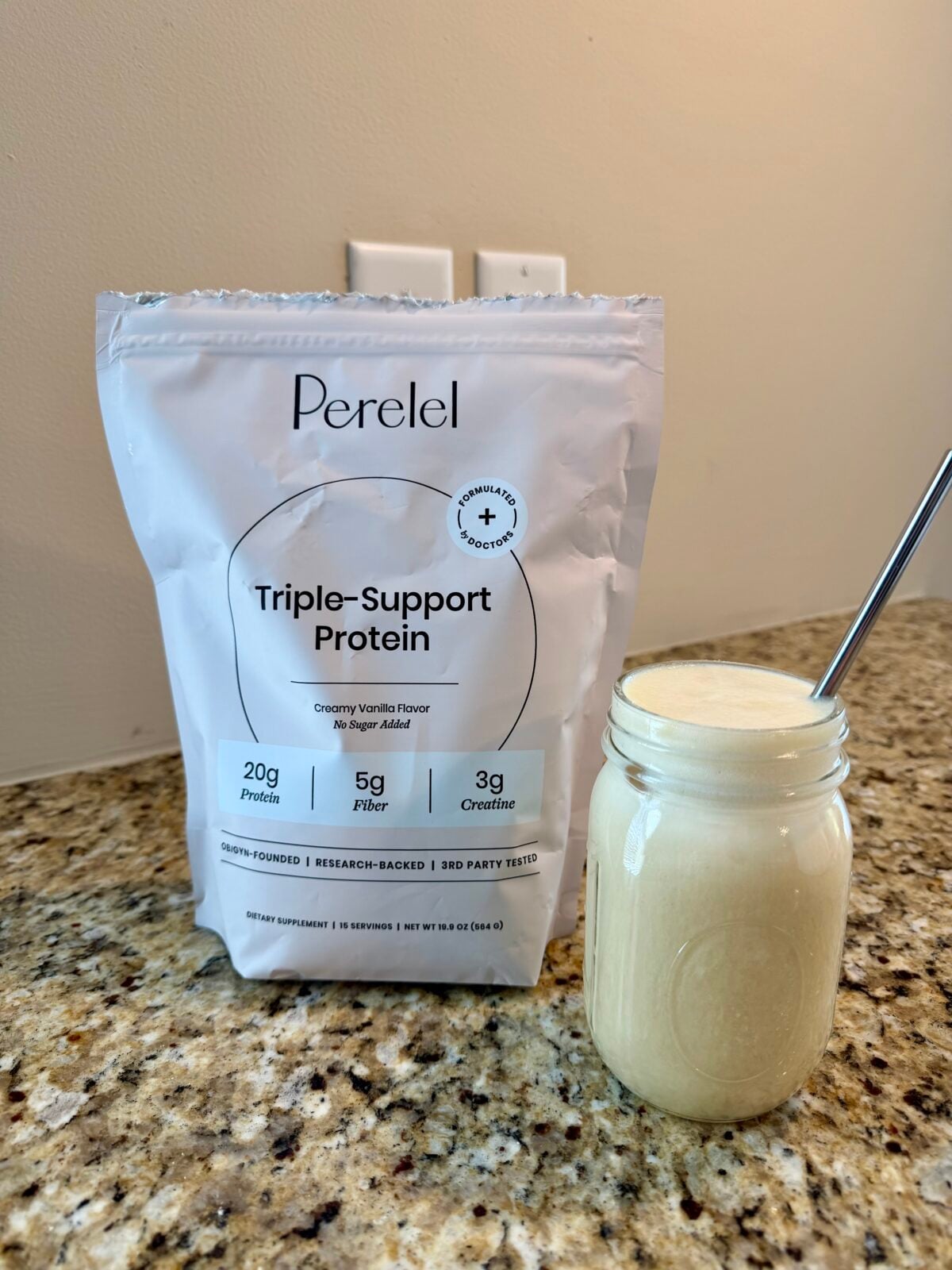
What sets it apart: Focus on being pregnancy & breastfeeding safe (but not-pregnant people can totally drink it!)
Protein types: Plant-based pea protein, which they call “Triple-Support Protein.” (They call it ‘triple support’ because it also contains fiber and creatine, so it’s good for gut & brain health as well. More on that below.)
Vegan options? Yes, their only option is vegan
Protein per serving: 20g
Flavors: Creamy vanilla
Certifications: Clean Label Project (regular CLP Certification AND Purity Award)
Third-party testing: Since Perelel’s protein has the Clean Label Project’s Purity Award, we know they’ve been tested for a long list of chemicals, including heavy metals, plasticizers, and more. On their testing page, they say they do testing during various points of the production process, from raw materials to finished product. Their tests & COAs are not publicly available though.
They do explicitly say that they meet Prop 65 standards, too.
Organic? No
Sweetener used: Monk fruit extract
Price: $47 before discounts; $3.13 per serving
My review:
- Perelel’s protein powder mixes well and lives up to the “creamy” in the “creamy vanilla” name. It’s tasty and easy to drink. The vanilla flavor is tasty, but not overpowering. I have found that it mixes really well into smoothies as well.
- Personally, I really like that it contains fiber and creatine in addition to the protein. We’ve all been pushed the importance of protein in recent years, but we cannot neglect the importance of fiber, too (especially for detoxification). I’ve also been trying to get my daily dose of creatine as well, as we learn more about its brain and muscle benefits.
- I also like that it’s explicitly FODMAP friendly. I have been diagnosed with SIBO and although I don’t follow a low FODMAP diet all the time, I do have to be mindful of how many FODMAPs I consume on a daily basis. I’ve noticed that some protein powders make me feel more bloated, but this one doesn’t.
- Another thing I appreciate is that it doesn’t come with a plastic scoop. Don’t we all have too many plastic scoops already?! We don’t need a brand new scoop in every single package of protein that we get. The serving size is just a “rounded ⅓ cup”, so you can either use a regular measuring cup, or any other scoop you already have.
- This protein does contain ‘natural flavor’.
Will I re-buy it? Yep!
Heart & Soil
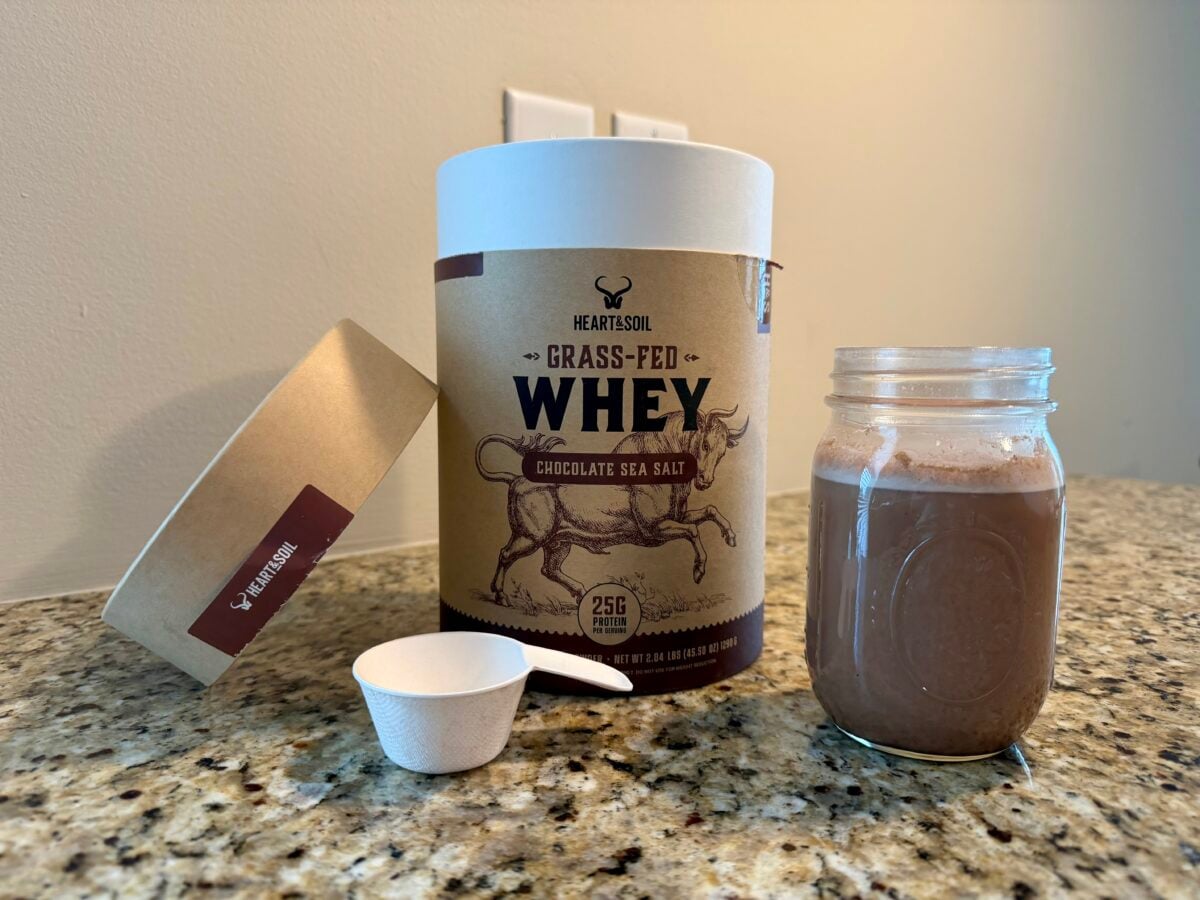
What sets it apart: Completely plastic-free packaging… even the scoop!
Protein types: Grass-fed whey
Vegan options? No
Protein per serving: 19-25g
Flavors: Unflavored or Chocolate Sea Salt
Certifications: NSF Certified for Sport
Third-party testing: On top of being NSF Certified for Sport, they include the lab test results right on the website for customers to check out, via LightLabs. So can see the results for glyphosate, several different heavy metals, various pesticides, and allergens. And at the time that I’m writing this (August 2026), the test results are very up to date as well!)
You can also find COAs for their different products from their FAQs.
Organic? Not certified organic, but some of the ingredients are (maple syrup and cacao powder)
Sweetener used: The Chocolate Sea Salt flavor uses maple syrup powder. The Unflavored does not use any sweetener.
Price: $47 before discounts; $3.13 per serving
My review:
I have been drinking this protein powder for several months now and I’ve found myself reaching for it before several of the other brands. (Probably because I really like the Chocolate Sea Salt flavor!)
Of course, I was impressed that it’s completely plastic-free… Not only the container and lid itself, but even the scoop is cardboard!
They have two main options: Protein that comes with collagen & colostrum, or one that is just whey (no collagen or colostrum).
Both options are made with very minimal ingredients. In fact, the Unflavored Whey only has one. You don’t have to worry at all about fillers, additives, or even natural flavors.
In terms of the texture, it blends well with my handheld frother with little to no clumping. It creates a creamy texture that you can drink on its own, heat up as chocolate milk, or put into a smoothie. Sometimes I’ll add it to my iced coffee mid-morning for a little protein mocha drink.
Would I re-buy it? Yes.
Code THEFILTERY will get you 10% off.
Ora Organics
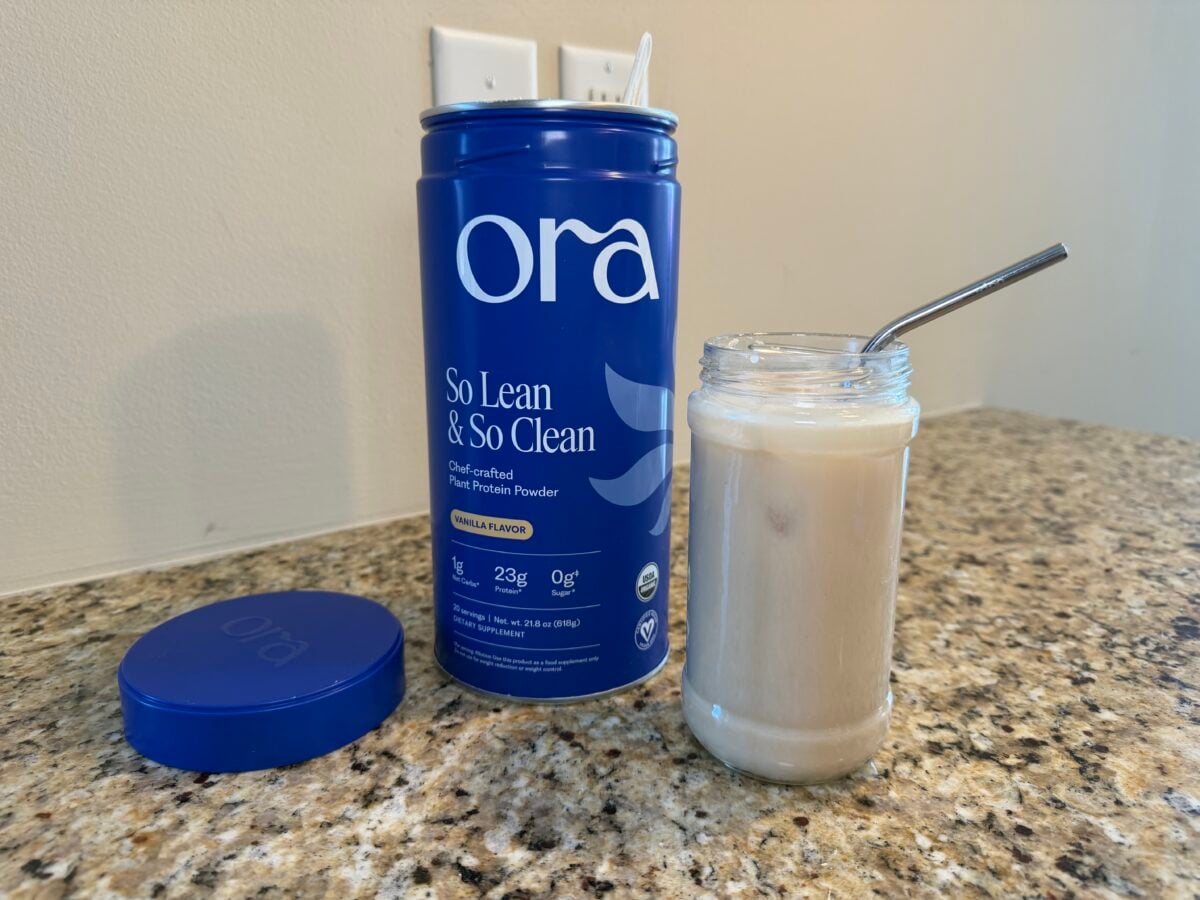
What sets it apart: Certified organic, includes superfood greens. Also, their new packaging is an aluminum tin instead of plastic. One of the cleanest plant-based protein powders.
Protein types: Plant-based only. It’s a blend that uses pea, rice, sacha inchi, amaranth, and sprouted quinoa
Vegan options? Yes, it’s Certified Vegan.
Protein per serving: 23g (So Lean So Clean) – 24G (Longevity League)
Organic? Yes, certified USDA Organic
Flavors: Chocolate, Vanilla, Vanilla Chai, Dark Chocolate Unsweetened, Strawberry Vanilla, and Unflavored/Unsweetened
Third-party testing: They publish all of their COAs right on their website, so you can go and see the lot number and testing date for everything from heavy metals and pesticides to allergens and nutritional information. These lab results don’t display the specific testing results, but rather whether or not they passed the standard.
They use what they call the ‘5 Nation Standard,’ which is where they test against five different nations’ with some of the strictest regulations: Japan, Switzerland, New Zealand, Germany, and the U.S.
I will note here that their testing is more self-directed than some of the other protein brands I’ve listed. They do not come with Clean Label Project or NSF certifications.
Certifications: USDA Certified Organic, Vegan
Sweetener used: Organic monk fruit extract
Price: Starting at $60-65 or $3.25/serving, before discounts. Discounts for first-time customers and subscriptions.
My review:
A few notes about the ingredients that you might want to know about:
- As someone with frequent belly probs, I like that they add digestive enzymes to improve protein absorption and reduce bloat.
- They also add a ‘superfoods’/greens blend to add more antioxidants and nutrients, which includes acai, organic berries, kale, turmeric, and other things. I think this increases the overall value of Ora Organics protein powder—basically you get more bang for your buck.
- They do use ‘natural flavors,’ but they are organic-compliant.
- They do not use any stevia, erythritol, or added sugar.
When it comes to taste and texture, Ora mixes well, and there’s minimal grittiness to it. The vanilla is not the tastiest thing ever, but that’s more about my personal preference. I like it!
Would I re-buy it? Yes.
Ritual
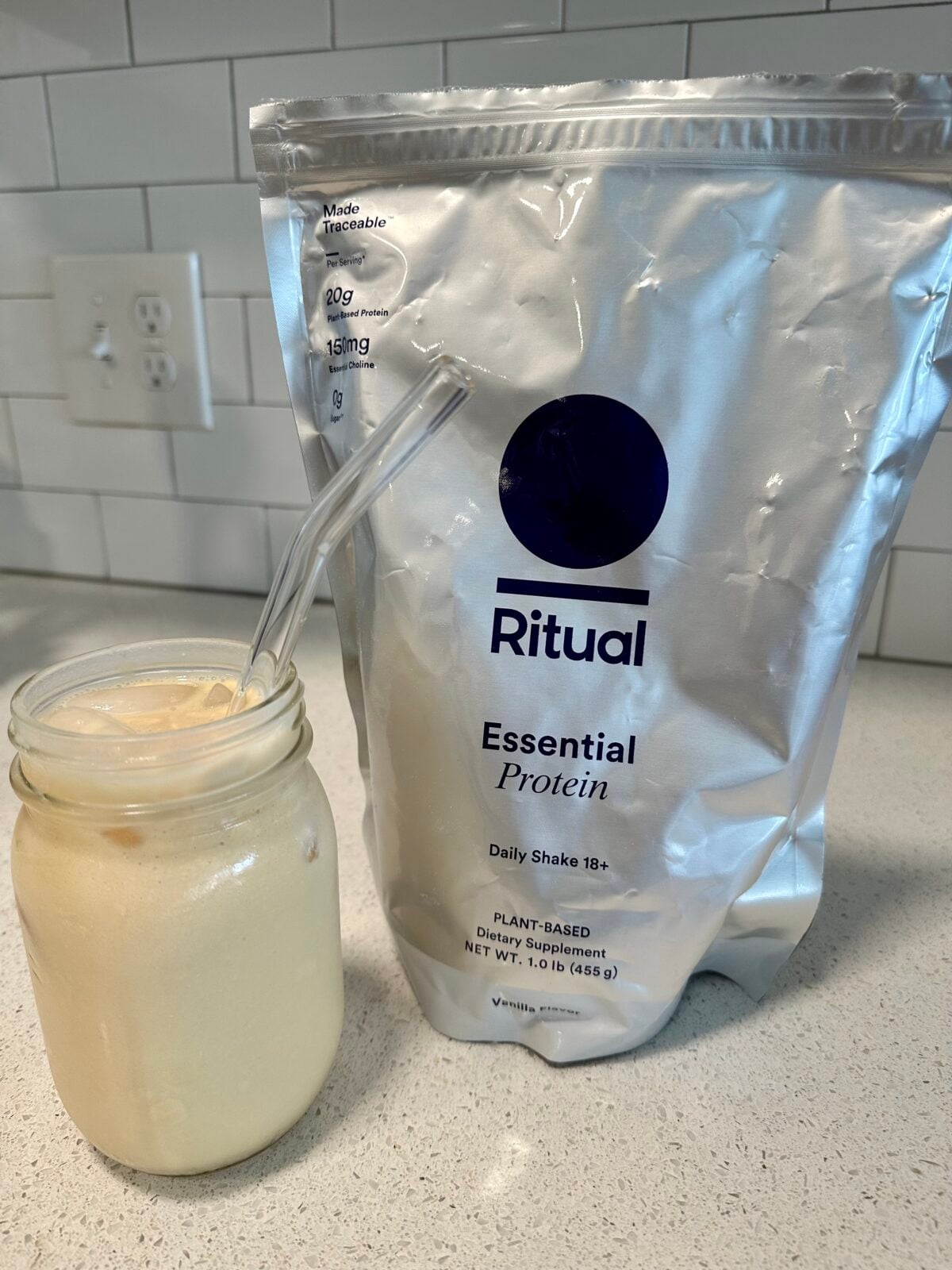
What sets it apart: Most transparent supply chain
Protein types: Plant-based only (pea protein)
Vegan options? Yes—everything they make is vegan.
Organic? They use some organic ingredients (the pea protein and the monk fruit), but the powder itself is not certified organic. (It is certified non-GMO Verified though.)
Protein per serving: 20g
Flavors: Vanilla and chocolate
Certifications: They’re Clean Label Project Certified and won the Clean Label Project Purity Award.
They’re also a B Corporation and ClimeCo Certified (which works on carbon offsets).
Third-party testing: Each lot is third-party tested by Clean Label Project (which tests each lot for over 200 contaminants). This makes it one of the cleanest vegan protein powders.
They also have their own initiative called Made Traceable®. This is essentially their commitment to publishing as much data about the product’s test results, carbon footprint, and sourcing as they can, in a way that’s actually readable for the average shopper.
They don’t share the actual lab results (I wish they did), but they do list the results for several heavy metals (including lead) and microbial testing on the Certificate of Traceability on each product page.
It’s also USP Verified for women 18+ and NSF Contents Certified. These are basically third-party verifications that what is on the label is actually what’s in the bag/bottle.
Sweetener used: Stevia leaf extract (Rebaudioside-M) and monk fruit
Price: $44 per bag before discounts. $2.93/serving. Discounts available for first-time customers, subscriptions, and bundles.
My review: I’ve actually re-purchased Ritual’s protein powder several times over the years.
A few notes about their ingredients:
- They source their peas from organic/regenerative farms in North America, which not only reduces the likelihood of heavy metal contamination, but also localizes the supply chain.
- I appreciate their attention to whole-body health, not just muscle building. Each serving includes 8g of essential amino acids (they add L-methionine to round out the amino acid profile since pea protein is naturally low in methionine), 4g BCAAs, and choline (which is good for brain health).
- They also use ‘natural flavor’ on the label, which consists of the vanilla extract or cocoa.
- They do use xanthan gum and sunflower lecithin, which are additives that some people prefer to avoid or minimize. (I personally don’t have a problem with them.)
I actually like the taste of Ritual’s vanilla more than I like most other vanilla flavored powders. The texture is pretty good too. It’s not the smoothest plant-based protein powder in the world, but it’s smooth enough to drink day after day!
Will I re-buy it? Yes.
Equip
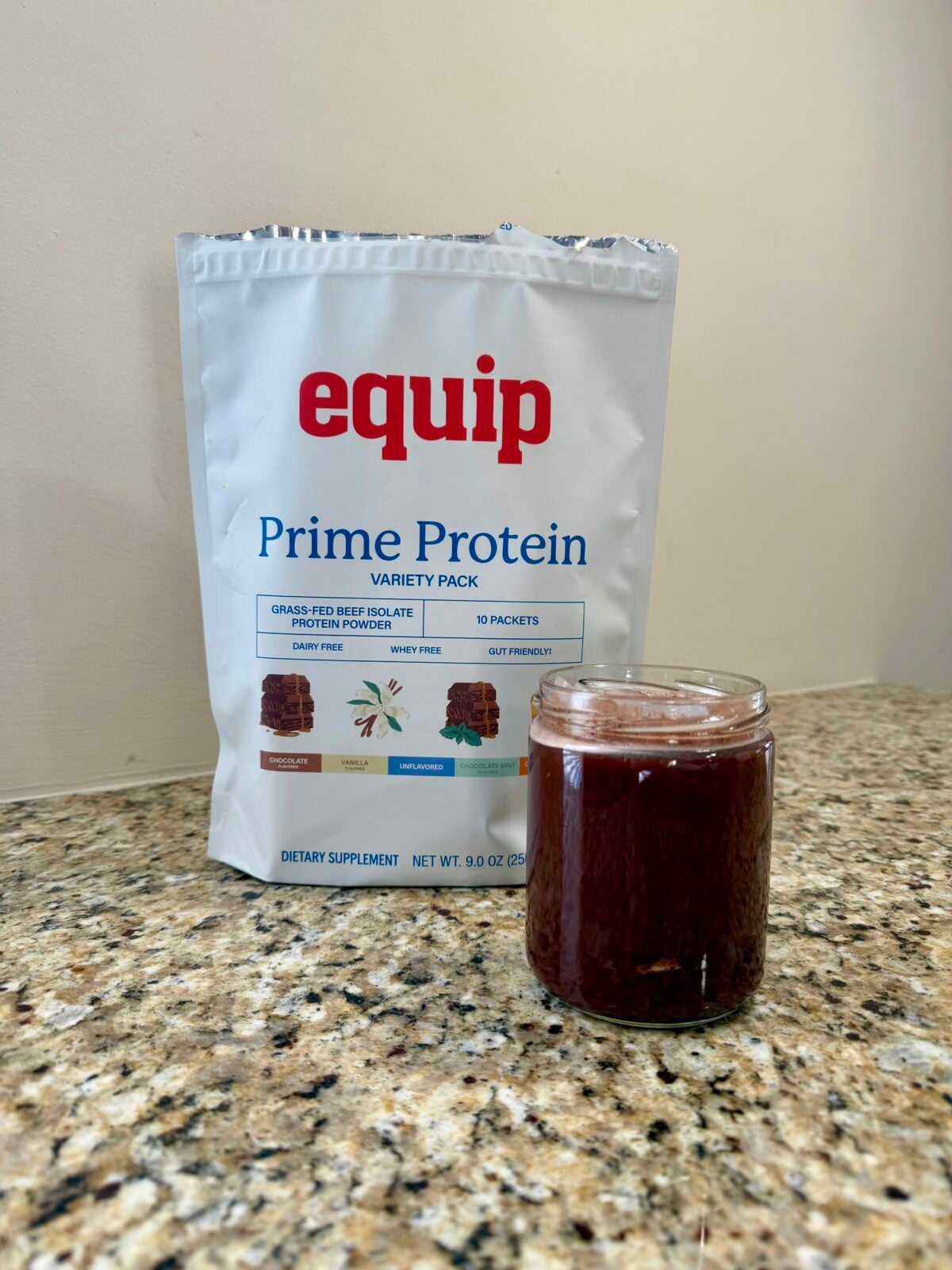
What sets it apart: Very minimal ingredients; good for people who want a dairy/whey-free animal-based protein
Protein types: Grass-fed beef (no whey), collagen, and protein bars
Vegan options? No
Organic? No
Protein per serving: 21g
Flavors: Chocolate, Mint Chocolate, Vanilla, Mocha, Unflavored, Cookies & Cream, Strawberry, Salted Caramel, Peanut Butter
Third-party testing: Every batch is independently tested and you can see the results for yourself on the product page through Light Labs. (Light Labs is the same lab that Momentum uses. It’s an NSF-certified and GMP-compliant facility.)
I really like how many contaminants they have listed there—243 substances including heavy metals (lead, arsenic, cadmium, mercury), pesticides, microplastics, BPA/BPS, glyphosate, mycotoxins, mold, and more.
Certifications: Unfortunately, they don’t have any third-party certifications right now; their testing is self-directed.
Sweetener used: You can choose between No Sugar (sweetened with stevia) or Low Sugar (sweetened with coconut sugar and monk fruit)
Price: $64 per bag; $2.13 per serving. You can get discounts with my code (THEFILTERY), by buying a multi-pack, and/or by signing up for a subscription.
My review:
Some noteworthy things about their ingredients:
- The beef they use is “nose-to-tail,” which basically means they’re using collagen-rich parts for complete protein. It also means it’s whey/dairy free.
- They source from grass-fed, pasture-raised cattle (primarily U.S., with some sourcing from Sweden). And the processing uses only heat and water (no chemical solvents).
- Some of the flavor options contain ‘natural flavor’ and others don’t.
The flavors I’ve tried so far taste good!
It mixes up pretty well with my frother. There are a few small chunks left at the bottom of the glass, so it’s not the smoothest of all the brands I’ve tried, but it doesn’t bother me either.
Would I re-buy it? Yes. I’d like to try their protein bars, too.
Code THEFILTERY will get you 15% off.
Be Well By Kelly
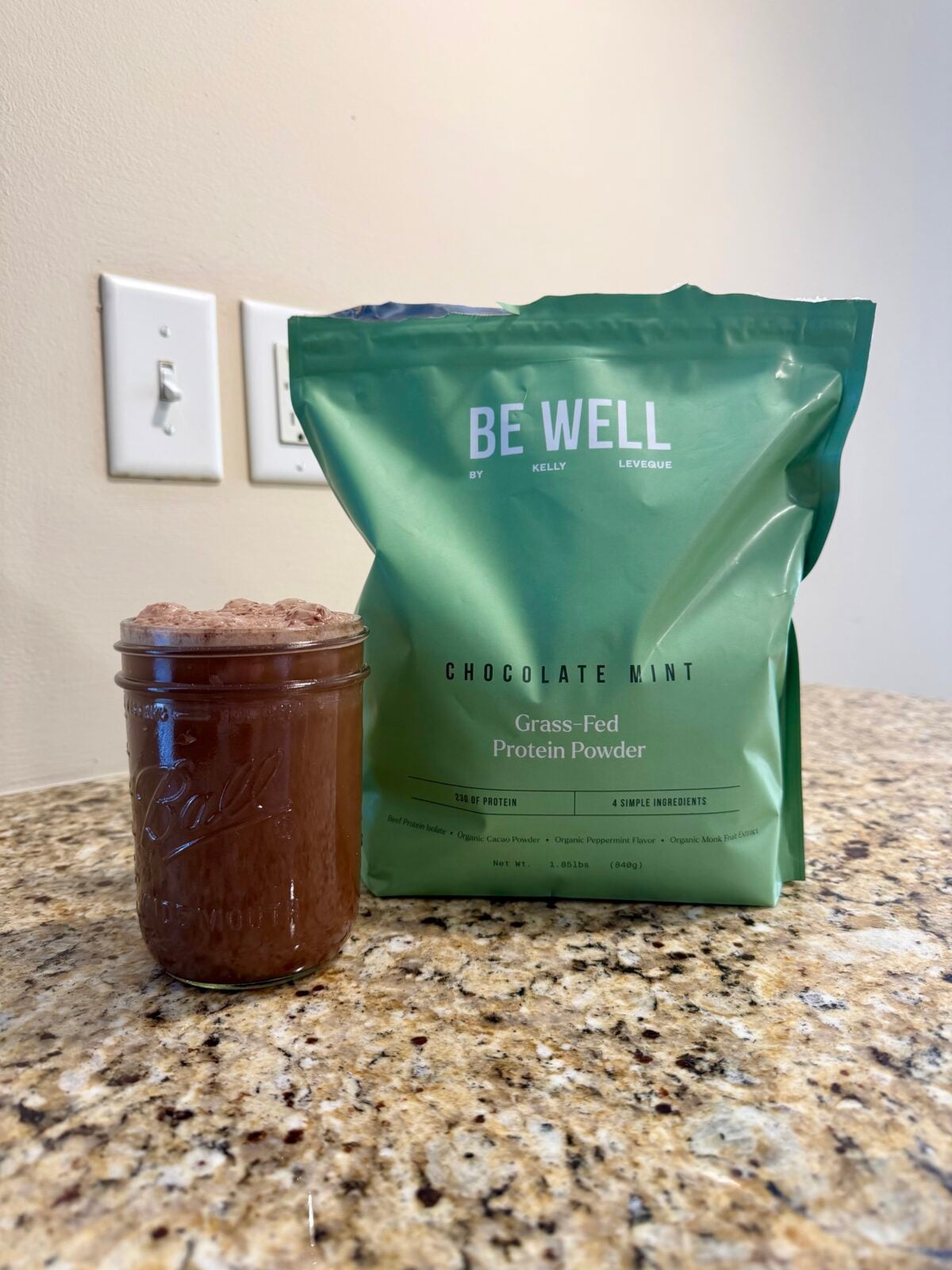
What sets it apart: Very minimal, clean ingredients & no natural flavors
Protein types: Grass-fed beef protein isolate and plant-based chocho (lupini) bean
Vegan options? Yes—choco bean. This is notable because some types of chocho beans may carry a lower heavy metal risk than pea protein because it tends to keep heavy metals from the soil in its roots rather than locating them to edible parts.
Organic? The whole product is not certified organic, but the sub-ingredients are (cacao powder, vanilla bean powder, monk fruit extract)
Protein per serving: 21-24g
Flavors: Chocolate, Vanilla, Unflavored, + some limited edition options (Chai, Pumpkin Spice, Chocolate Mint)
Third-party testing: Be Well By Kelly’s testing transparency is not as stringent as some of the other brands. They do test every batch through Micro Quality Labs, Inc. for heavy metals, pesticides, allergens (gluten, dairy, soy), and microbial content (yeast, mold, and pathogens).
They also say that they “maintain stricter standards for heavy metals than even European dietary supplement limits allow.” So that means they require lead levels, for example, to be under 3ppm (versus 10ppm that California’s Prop 65 requires).
They do not publish their COAs publicly. However, they do use Light Labs on their website so you can see the lab results. At the time of publication, they only show results for 7 substances—4 heavy metals and 3 allergens.
Certifications: Unfortunately, they do not have any of the third-party certifications listed above such as Clean Label Project, NSF Sport, etc. Although they do go through a reputable independent lab for their testing, it is mostly self-directed.
Sweetener used: Organic monk fruit extract
Price: $65/bag or ~$2.17-3.25/serving (before discounts or subscribe & save)
My review:
I really like how minimal Be Well By Kelly’s ingredient lists are. Their Unflavored version has ONE ingredient, their chocolate and vanilla options have only THREE (the protein, the flavor, and the sweetener), and their limited edition ones just have a few extra ingredients to make a more complicated flavor profile. The Pumpkin Spice, for example, has extra spices like cinnamon and clove.
They do not use any ‘natural flavors’ like some of the other brands do, which might be meaningful to those who prefer to avoid that.
And it’s got all the “clean” labels like: no sugar added, vegan (for the chocho one), gluten free, soy free, dairy free, lectin free, keto/paleo (for the beef one), and no added hormones or antibiotics. They say that the beef they use is “100% Swedish grass-fed and grass-finished” and that the chocho beans are “regeneratively farmed from South America.”
They also note that they use “a water-based microfiltration method” to extract their protein as opposed to using the chemical hexane, which is traditionally used by a lot of protein powder brands.
My thoughts on taste & texture:
I’ve only tried the (limited edition) Mint Chocolate so far, and I really like it! There’s a good strength of the mint—definitely noticeable but not overpowering like you’re drinking toothpaste or something. 😆 It’s a good amount of chocolate, too. (I should say that I’m a mint chocolate lover in general, so…)
It mixed up pretty smoothy as well. The taste combined with the smooth texture makes for an enjoyable protein shake.
Even more protein brands to check out…
If you didn’t find exactly what you’re looking for from any of the above brands, maybe one of these will catch your fancy:
Just Ingredients: I have tried a lot of Just Ingredients’ flavors and I like them! I appreciate how they use a blend of different types of protein (whey, pea, collagen, chia, pumpkin seed, etc). They have whey and vegan options. The product as a whole is not certified organic, but most of the ingredients they use are organic. They use monk fruit and stevia for the sweetener and are focused on using ‘real foods.’ They link directly to their COAs right on their product pages, which I appreciate (although they’re not always the most recent tests). Some of their protein powders are NSF Certified for Sport and others are not (look for the black bags—those are the NSF certified ones).
There was some recent controversy about Just Ingredients’ protein powder and Prop 65 labels. Without going too much into it, they have basically not been properly labeling their protein powder with Prop 65 labels—they only put it on the website instead of on the package itself. Personally, I have mixed feelings about this. I do think Just Ingredients needs to follow the rules like everyone else when it comes to proper labeling, and the fact that they weren’t doing that makes it look like they’re trying to hide something. But on the other hand, the Prop 65 issue is a complicated one when it comes to protein powder and their protein does not appear to be any more contaminated than any of the other brands listed here. Here’s a podcast episode I recorded that goes more into depth on this. | Buy on Amazon | Thrive Market | Target
Lifetime (LTH): My husband bought this one because we go to Lifetime. (You don’t have to be a member to buy their products though.) I actually really like their Build Whey+All-In-One for keeping me full for a long time. It’s actually meant to be a meal replacement, so the ingredient list for that is quite a bit longer than some of the other options (including some fillers that some people might not like). They do list what exactly is in their “natural flavors.”
It is NSF Contents Certified, which is not as strict as NSF Certified for Sport. But they do link right to their test results on the product page, which I appreciate. Some of their products contain a Prop 65 warning, but you can just avoid those. For example, the Build protein powder chocolate flavor comes with a Prop 65, so you could just get one of the other flavors if you wanted to.
Truvani: They have plant-based (certified Vegan) and whey options with very minimal ingredients. USDA Certified organic and sweetened with monk fruit. They use Light Labs to display some of the recent test results on the product pages, but they only display the heavy metals. While I’d say that is the most important contaminant to show for protein, I’m also interested in the testing for other things—plasticizers, pesticides, etc. But I don’t see anything about that. They do not have any third-party certifications for contamination (like Clean Label Project or NSF for Sport). They do put a Prop 65 label on their products, but I kind of get the impression they do that as a ‘just in case’. They I actually drank Truvani regularly a couple of years ago. I didn’t think it had the best texture (was a little gritty), but otherwise I liked it fine. | Target | Amazon
Ascent Native: They have a variety of whey options. They are Informed Sport Certified, which is similar to NSF Certified for Sport. In addition to testing for banned substances for athletes, the Informed Sport process also tests for things like heavy metals and pesticide residues. They don’t appear to publish any of their COAs or test results publicly though. This protein contains natural flavors (but they do have an unflavored option) and they use Stevia as their sweetener. | Amazon
What about Orgain? I get the appeal of Orgain because it’s one of the more accessible protein powders that is USDA certified organic (at least some of their varieties are). However, they don’t really have any transparency when it comes to testing. They don’t have any third-party certifications like Clean Label Project or NSF Certified for Sport, and they don’t publish any independent testing data or information. They also use quite a few extra fillers.
What about Optimum Nutrition? In terms of testing, their protein powders aren’t that bad. Some of them (though not all) are NSF Certified for Sport and/or Informed Sport certified. They’ve also tested pretty well by organizations like Consumer Reports and Clean Label Project (though they’re not certified by them). When it comes to the actual ingredients, though, their formulations wouldn’t really be considered ‘clean’ by most people. They use natural & artificial flavors in addition to various fillers like maltodextrin, modified corn starch, dipotassium phosphate, and tricalcium phosphate.
What about Flavcity? On their website, Flavcity says “We rigorously and continually utilize a third party to lab-test ingredients for heavy metals, forever chemicals, fluoride, and more.” However, they unfortunately have basically nothing to back that up. They don’t publish any of their COAs or test results on their website, and they don’t have any third-party certifications like NSF or Clean Label Project. They do have CA Prop 65 warning labels across their site. In terms of the actual ingredients, though, they’re not bad. They don’t use a bunch of fillers, they use stevia and monk fruit for sweeteners, and they use some organic ingredients.
This is by no means an extensive list; I could have kept going honestly. I will add more over time as I try more brands. If there are any other brands you’re wondering about, let me know in the comments below.
I’m glad to see more protein powder brands prioritize third-party testing; they know customers want it.
The Filtery has been an independently owned & run small business from the very beginning—and we’d like to keep it that way! If you want to back accessible, human-created, and well-researched content on reducing toxins in your home, consider supporting us!


I just started a diet and began to drink protein shakes on the daily, it says organic but I always question if it’s toxic or not. Thank you for the wonderful recommendations!