
When it comes to something as personal as lubricant, the ingredients matter. The vaginal and genital tissues are more delicate and absorbent than other parts of the body, which means irritating or hormone-disrupting chemicals can have an even bigger impact here.
Yet many conventional lubricants still contain things like parabens and harsh preservatives that can throw off your pH, cause irritation, or even break down condoms.
The good news is that there are plenty of safer, non-toxic options available. In this guide, I’ll walk you through the ingredients worth avoiding, explain the differences between water-, silicone-, and oil-based lubes, and share some clean brands I recommend.
Here's what this guide includes:
- The Best Natural Lubricant Brands (Water-, Oil-, and Silicone-Based Options)
- Even More Options!
- What Makes a Conventional Lube Brand Toxic?
- Other Things to Consider When Choosing a Non-Toxic Lube
- Types of Lubricants ( & Their Tradeoffs)
- Coconut Oil: Yay or Nay?
- What Makes a “Fertility-Friendly” Lubricant?
- “For Women” vs. “For Men” Lubricants
- 🍋 Join Thousands of Subscribers Reducing Toxic Chemicals
This guide contains product recommendations and we may receive compensation if you purchase through certain links. As always, we only make recommendations that are genuine!
The Best Natural Lubricant Brands (Water-, Oil-, and Silicone-Based Options)
I’m going to give you my list of clean brands first. If you want to learn more about what exactly to look for in a personal lubricant, jump here.
As noted below, there are a lot of things to consider when choosing the “best” natural lubricant for you. Non-toxic formulations is just one of them. Talk to your doctor about what might be best for you based on your individual needs.
Also, one quick note about edible lubricants: I’ve noted which of the brands below are explicitly edible. Because they are all made of safe ingredients, they are technically all safe to consume in small amounts.
Woo More Play
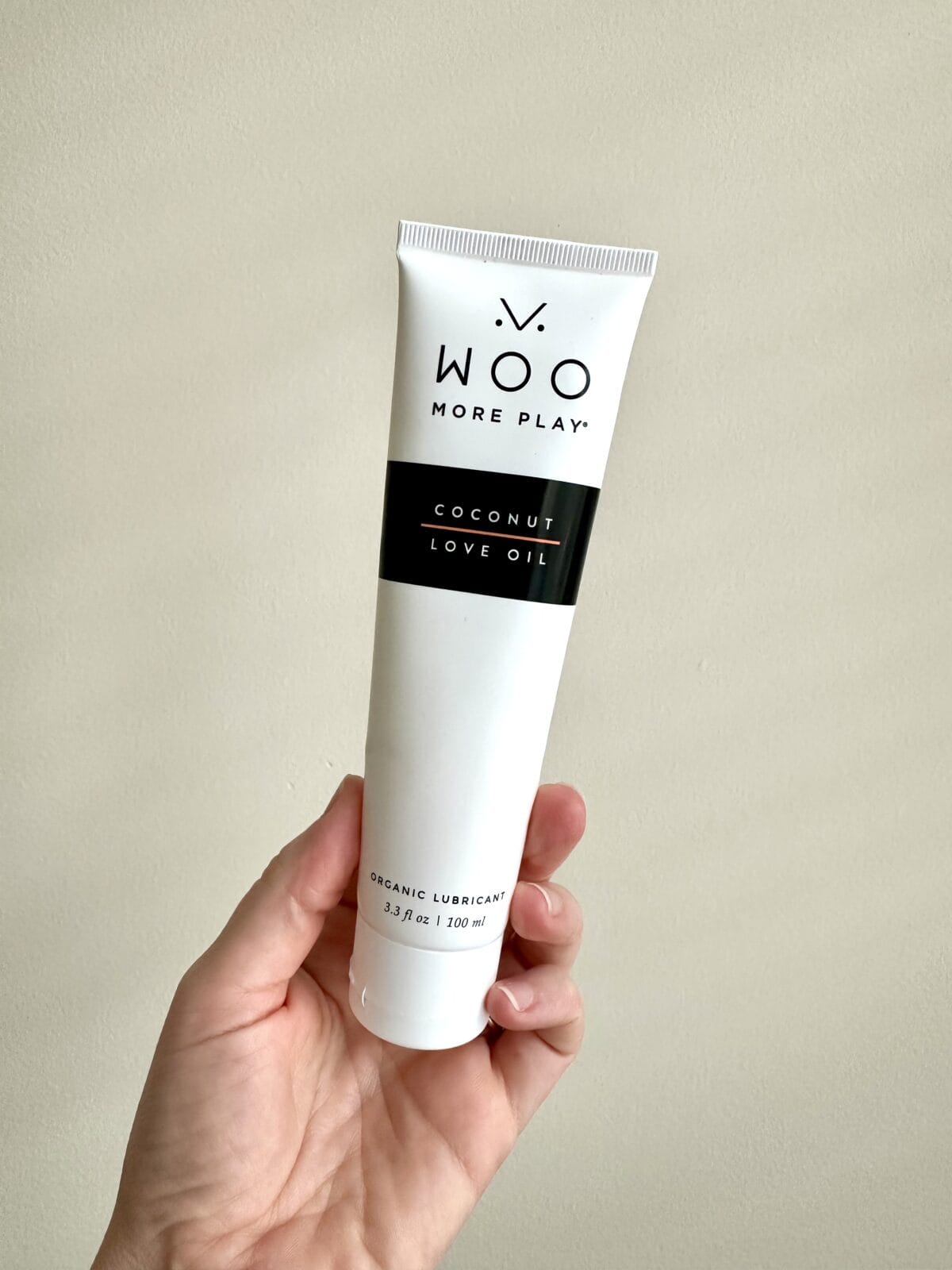
Water or Oil-Based? Both options.
Organic? Some organic ingredients (not all)
Edible? Yes. (The Coconut Love Oil option is, anyway)
Vegan? No (beeswax)
This is one of my favorite non-toxic lube brands—I’ve been using their original Coconut Love Oil for years now. The primary ingredient is organic coconut oil, and then it also includes things like vanilla and stevia to make it tasty.
It does contain “natural flavor” too, which some people try to avoid. I personally am not super concerned about that since I’d only be consuming a very small amount.
The only downside I’ve experienced with this natural lube is that it solidifies in cold/cool temperatures. There have been times when I had a hard time getting it out of the bottle and I had to warm it up for a minute first.
In addition to the Coconut Love Oil, they also have a water-based lube made from clean ingredients, a new silicone-based one, and toys.
Coconu
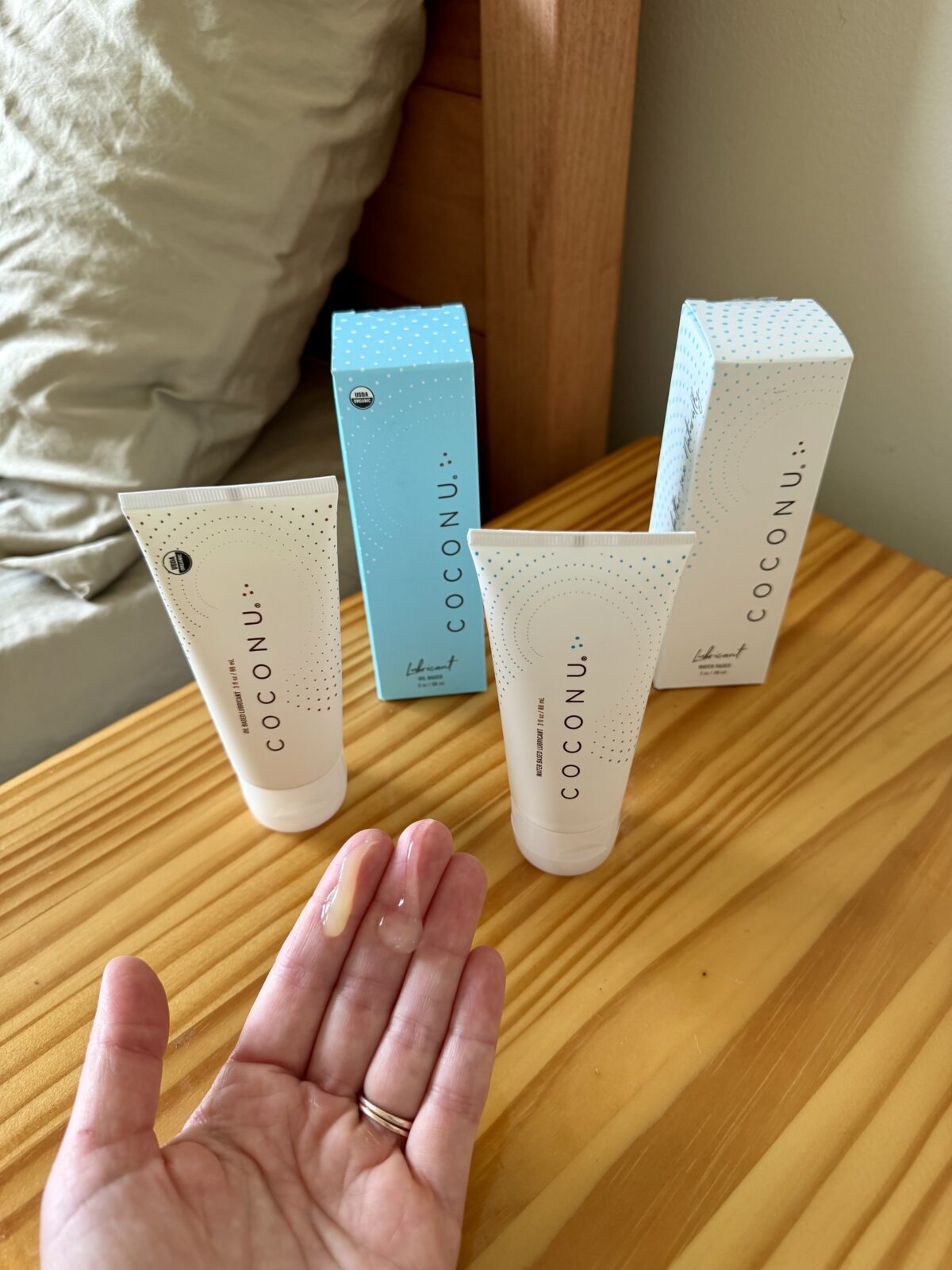
Water or Oil-Based? Both options
Organic? Yes. (Some of their options use all organic ingredients and some include some organic options.)
Edible? Yes (the oil-based one is)
Vegan? No (beeswax)
This is another great brand that offers three 100% natural options: a water-based lubricant, an organic coconut-oil one, and a hemp-infused one. Their coconut oil and hemp ones are actually certified USDA organic. (They’re one of the only lubricant brands with this certification.)
In addition to the organic coconut oil, they use ingredients like organic beeswax, organic cocoa butter, organic sunflower oil, and organic shea butter.
I have used both their water-based one and the oil-based one. I tried to give you an idea of the difference in texture in the photo above. You can see how the oil-based one on the left is thicker, and the water-based one on the right is, well… more water-y!
I personally like the water-based one a little better. I like the lighterweight texture and I don’t worry about it staining my sheets or anything. That said, I still like the oil-based one fine and will use it up. It’s worth noting that it has a really smooth texture; it doesn’t get gritty at all like coconut oil sometimes does.
If you’re wondering which one is best for you, here are a few things to consider:
- The water-based one is the only one that can be used with condoms.
- The oil-based one is longer-lasting, totally edible, and certified USDA organic.
Use THEFILTERY15 for 15% off.
nixit
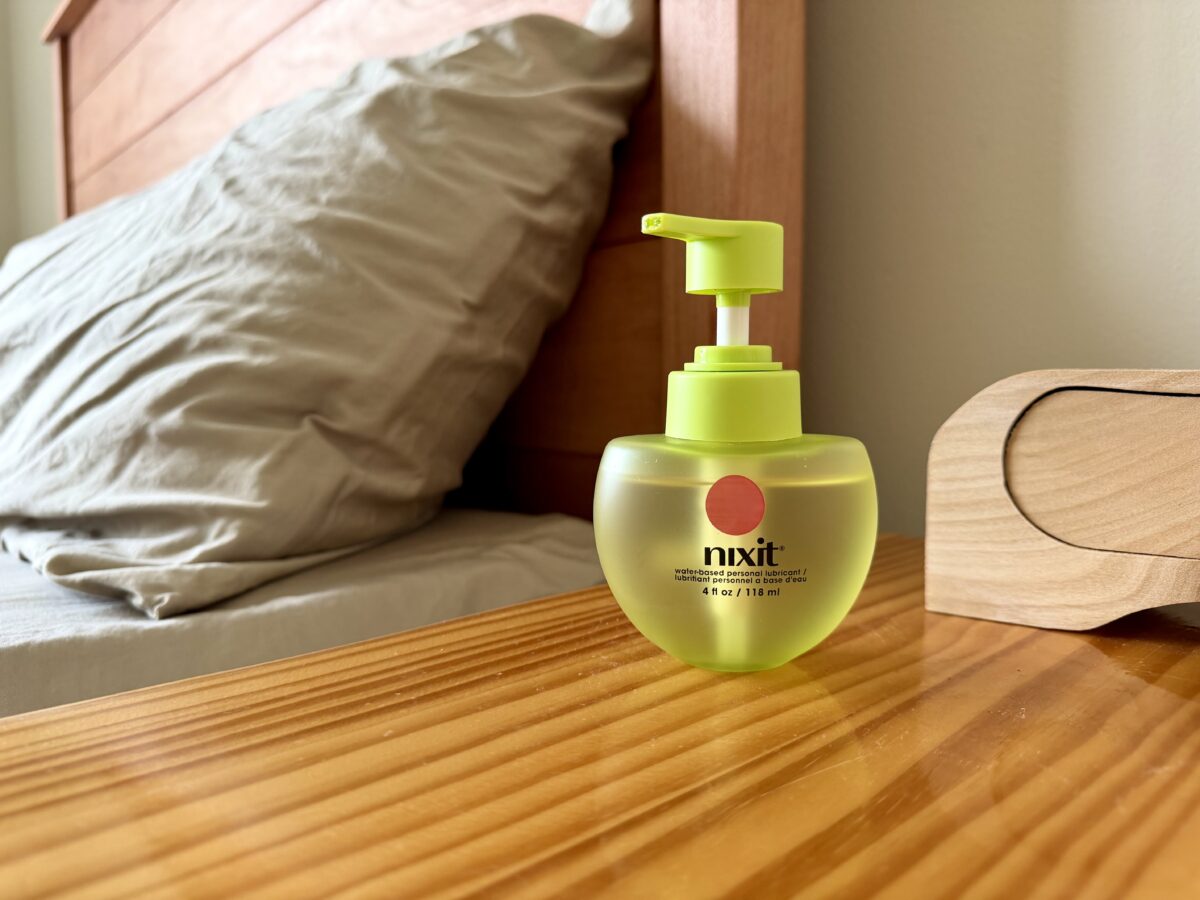
Water or Oil-Based? Water
Organic? They do use a lot of organic ingredients, but they’re not all organic, and it’s not third-party certified.
Edible? Not explicitly (although it does contain stevia, so maybe?)
Vegan? It’s not explicitely vegan, but I don’t see any animal based ingredients listed.
Here’s another pH-balanced non-toxic lubricant that I really like.
First of all, as much as I’m usually all about reduced plastic packaging, I have to say I do like the pump lid on this. It’s so easy to use.
I really like the texture as well. It’s very smooth, the perfect amount of thickness, and not sticky at all.
In terms of ingredients, there’s nothing concerning to me here. They use aloe for the primary ingredient, and then add things like hyaluronic acid and peony root for moisturization, and passionflower to soothe irritated or inflamed skin.
Btw, nixit actually started out primarily as a period care brand that makes menstrual discs, but they have since expanded into the world of sexual care as well.
I’d definitely re-buy this one.
Foria
Water or Oil-Based? Coconut oil
Organic? Yes
Edible? Yes
Vegan? Yes
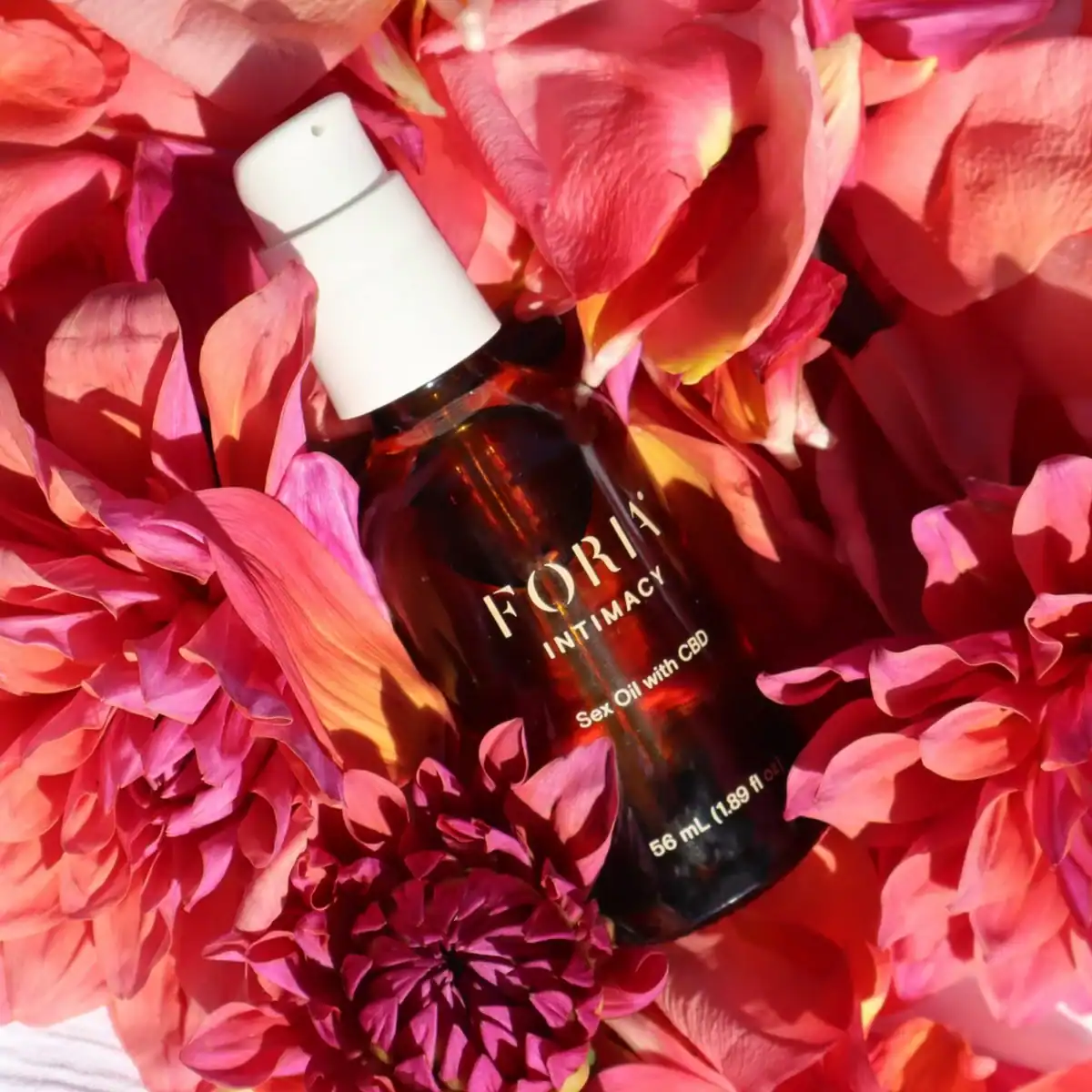
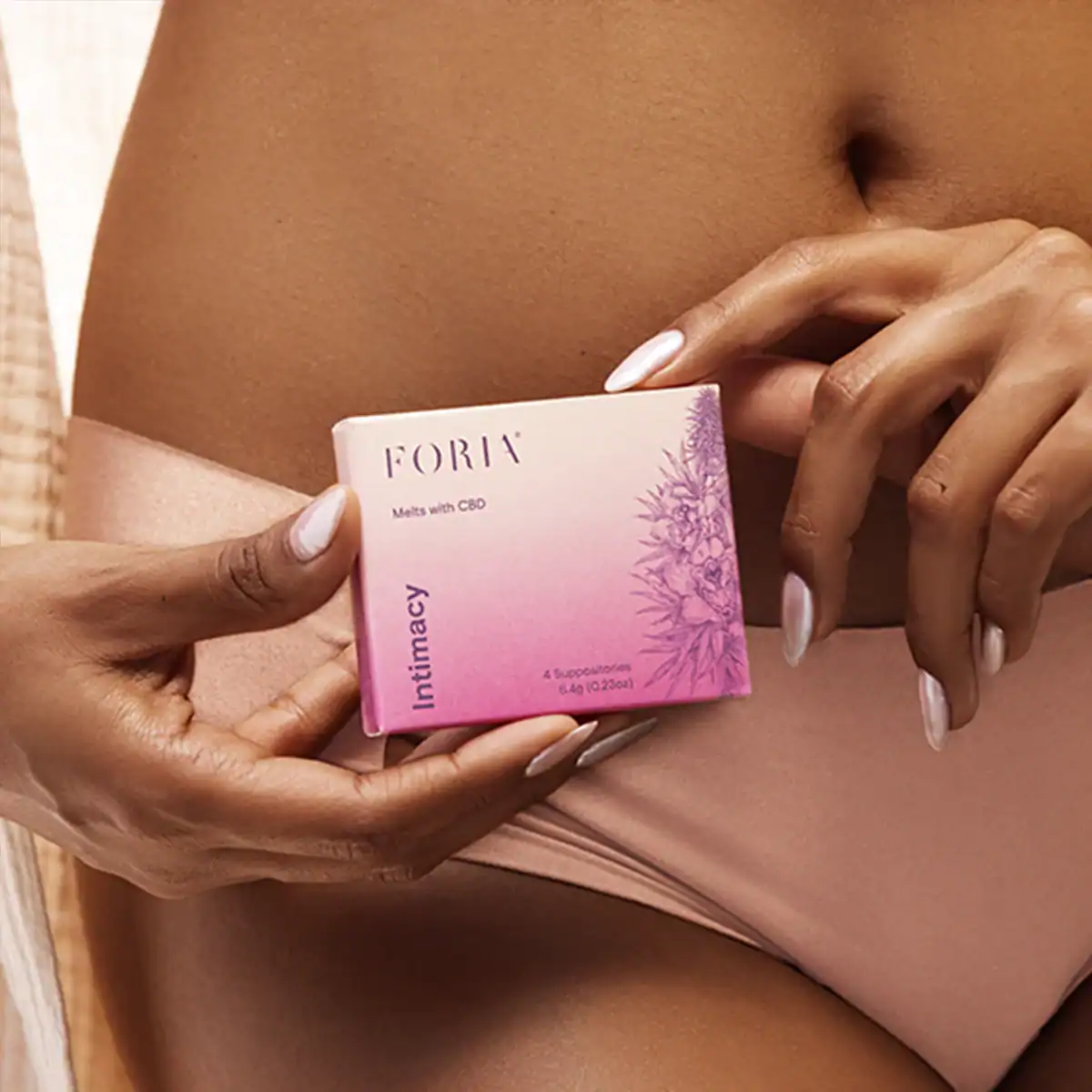
One of my friends swears by their CBD oils and intimacy melts. Their three star products include their Awaken Oil, Intimacy Oil, and Intimacy Melts.
The primary ingredient in their non-toxic lubricants is organic MCT coconut oil and then they include USDA organic certified broad-spectrum hemp extract as well. (Topical CBD helps increase flood flow.) The “Intimacy” version only includes those two ingredients, while the “Awaken” option also includes extra botanicals like organic kava root that serve as naural aphrodisiacs. Also, the “Awaken” oil is not necesarily meant to be a total replacement for lube, but rather used in combination with it.
Tabu
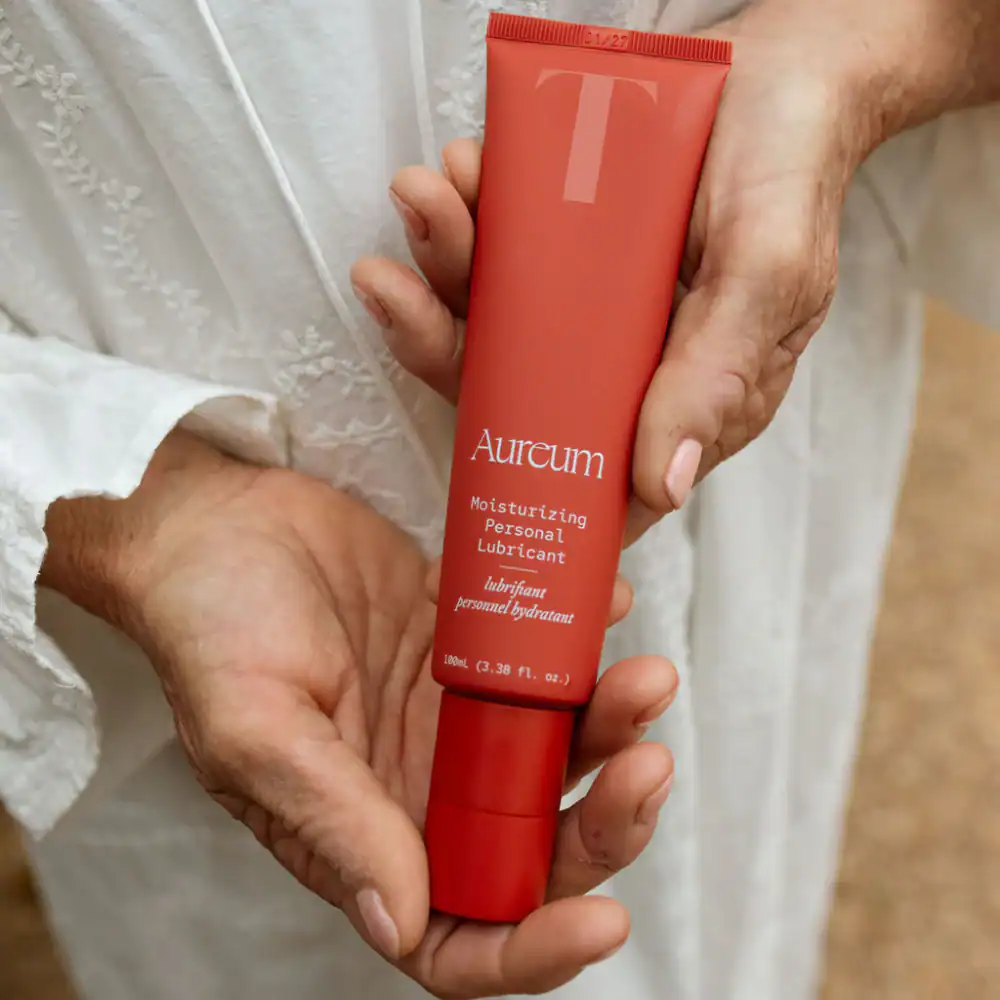
Water or Oil-Based? Water
Organic? Some ingredients are organic and some are not
Edible? Yes
Vegan? Yes
The primary ingredient in this clean lube is organic aloe leaf, making it one of the best lubricants for sensitive skin. It’s also got a bunch of other skin-friendly and anti-inflammatory ingredients like hyaluronic acid, organic passion flower, organic peony root, and more. (Plus organic stevia for taste!)
I also really like how this brand seems focused on helping women through various stages of life or tough situations, whether that’s menopause, childbirth, cancer, or even taking certain medications that can decrease libido.
Bloomi
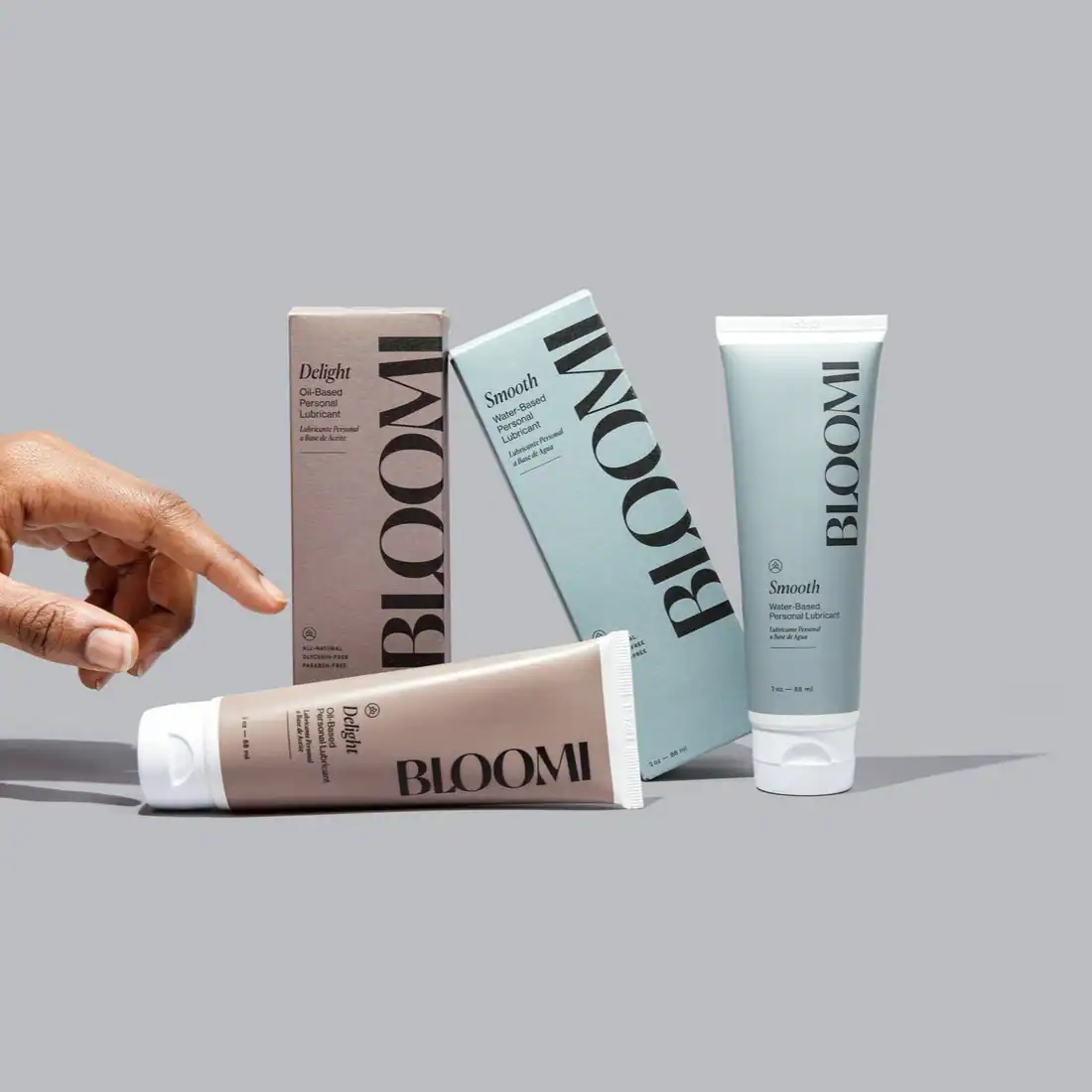
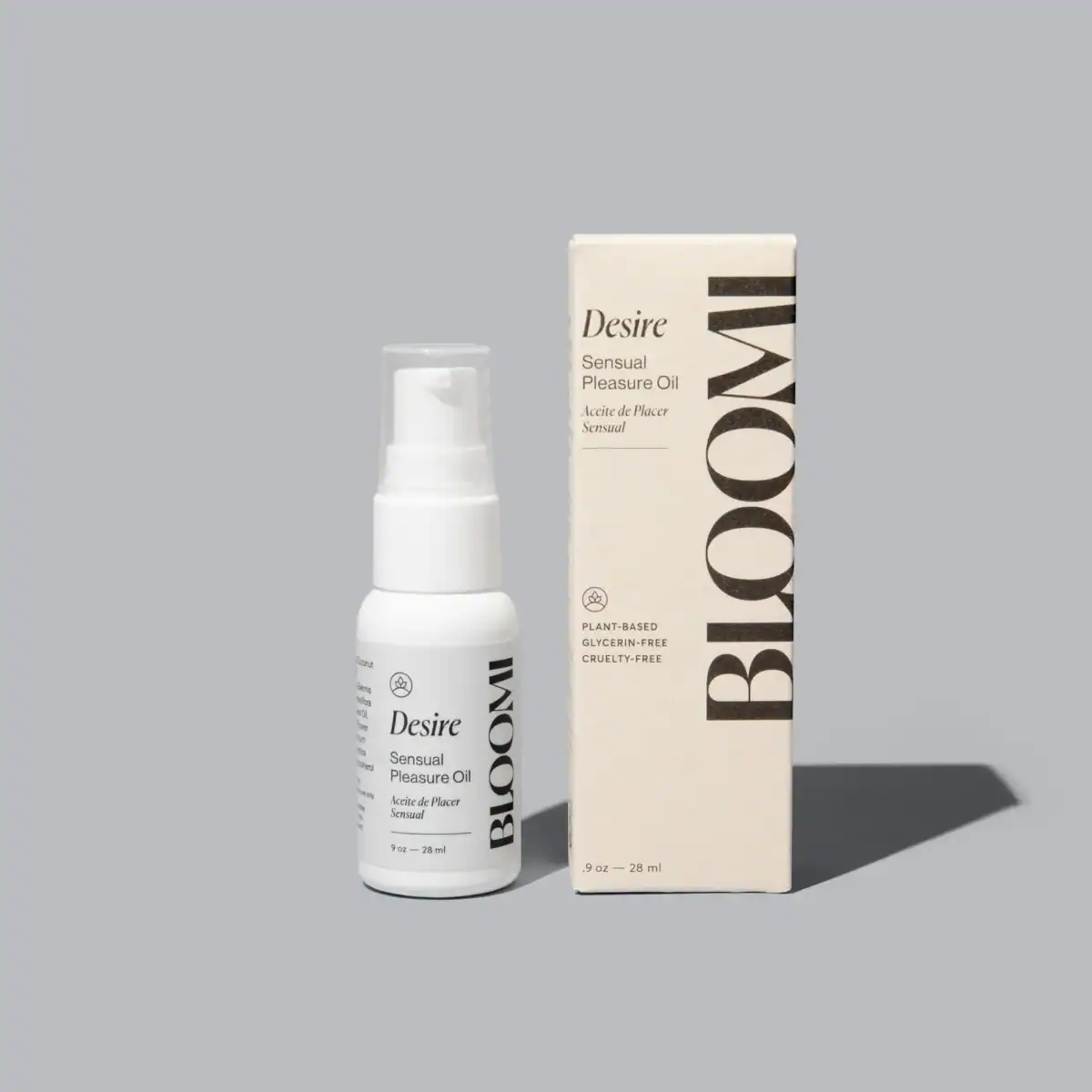
Water or Oil-Based? Both options
Organic? Some ingredients are organic and others are not
Edible? No, not explicitly
Vegan? Not explicitly, but I don’t see any animal-based ingredients
Here’s another mostly-organic one you can find at Target! They have both a water-based and an oil-based version, along with a Pleasure Oil and Arousal Oil.
Poofy
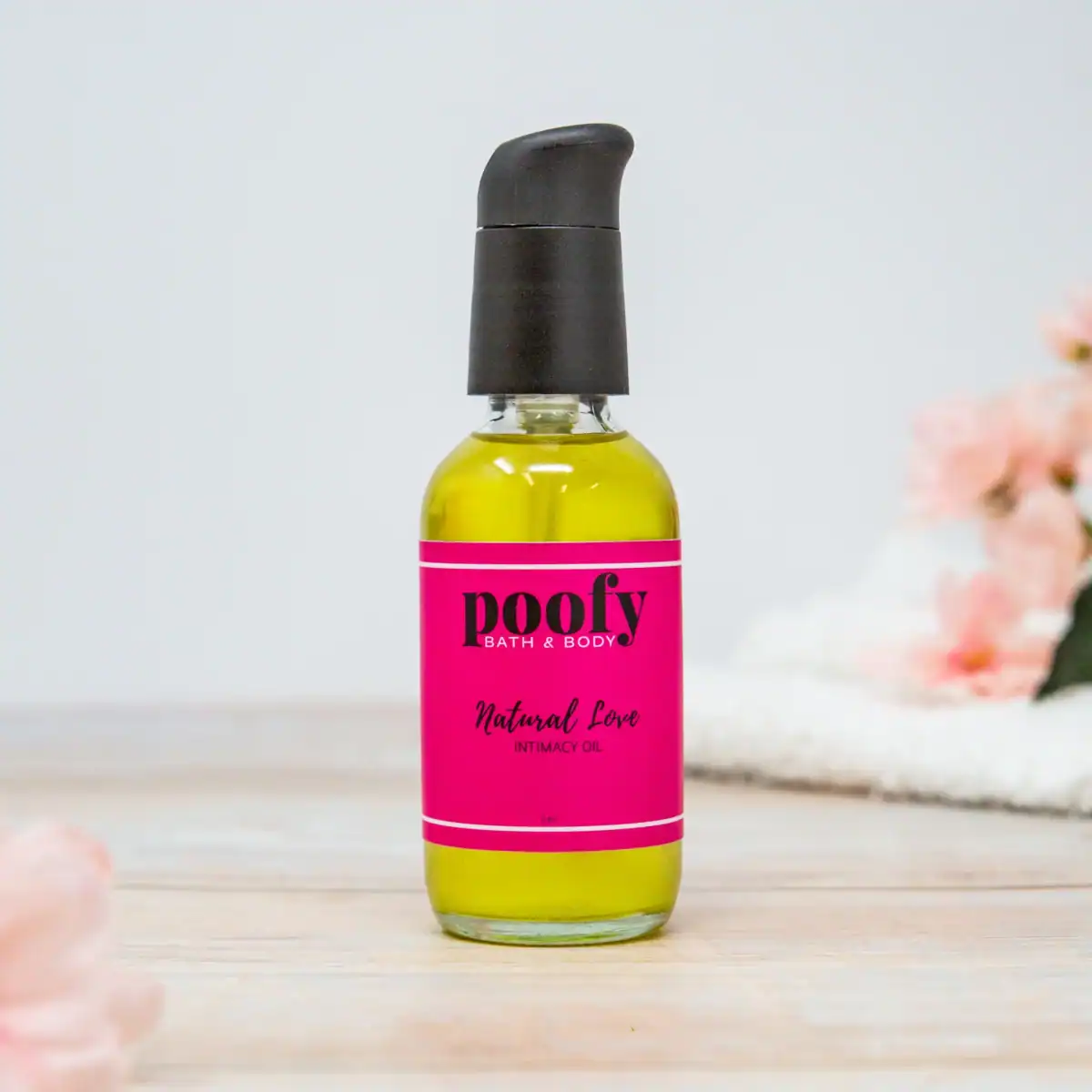
Water or Oil-Based? Oil
Organic? Yes
Edible? No
Vegan? Yes
This all-natural lubricant uses jojoba oil for the first ingredient and coconut oil for the second. They then combine it with other skin-friendly ingredients like organic aloe vera gel and organic lavender essential oil for a relaxing vibe.
Use code THEFILTERY10 for 10% off.
Good Clean Love
Water or Oil-Based? Both options
Organic? Depends on the specific product; some of their options are organic and some are not.
Edible? No (although they do have a “Hint of Mint” option)
Vegan? Not explicitly vegan, but I don’t see any animal-based ingredients.
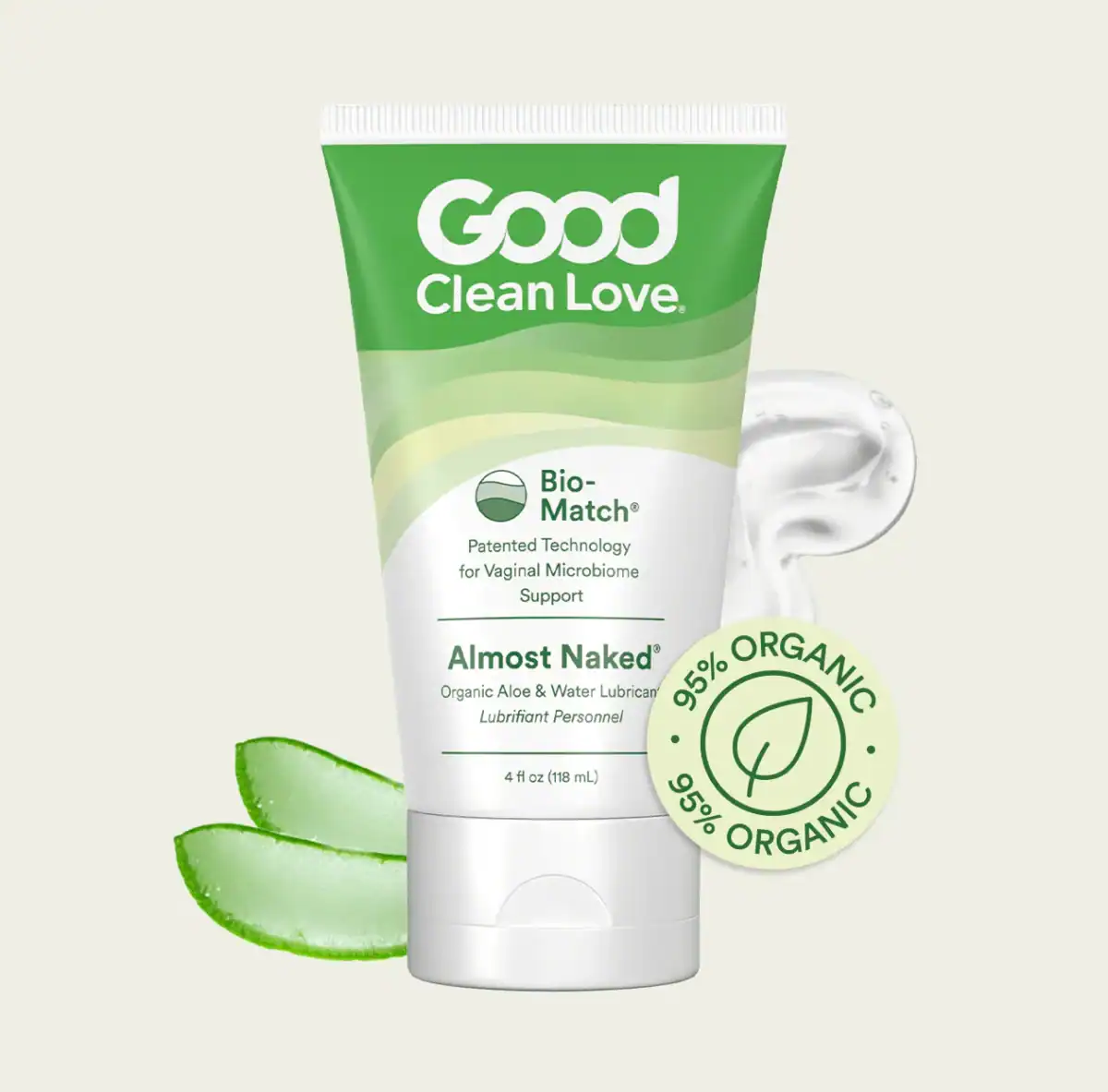
This is one of the most popular natural lubricant brands that can be found at big box stores like Target, Walmart, etc. Considering this, I’ve been asked if Good Clean Love is greenwashed…
Overall, it’s actually a good choice! Some of their options do contain “natural flavor,” which as I mentioned before is not ideal because it’s an unspecific ingredient. But again, it’s not like you’re going to be eating a ton of this stuff, so I personally am not worried about it in this context.
Some of their varieties also contain xanthan gum and carrageenan as well. These are not toxic, but some people are sensitive to them. So that may be something to be aware of.
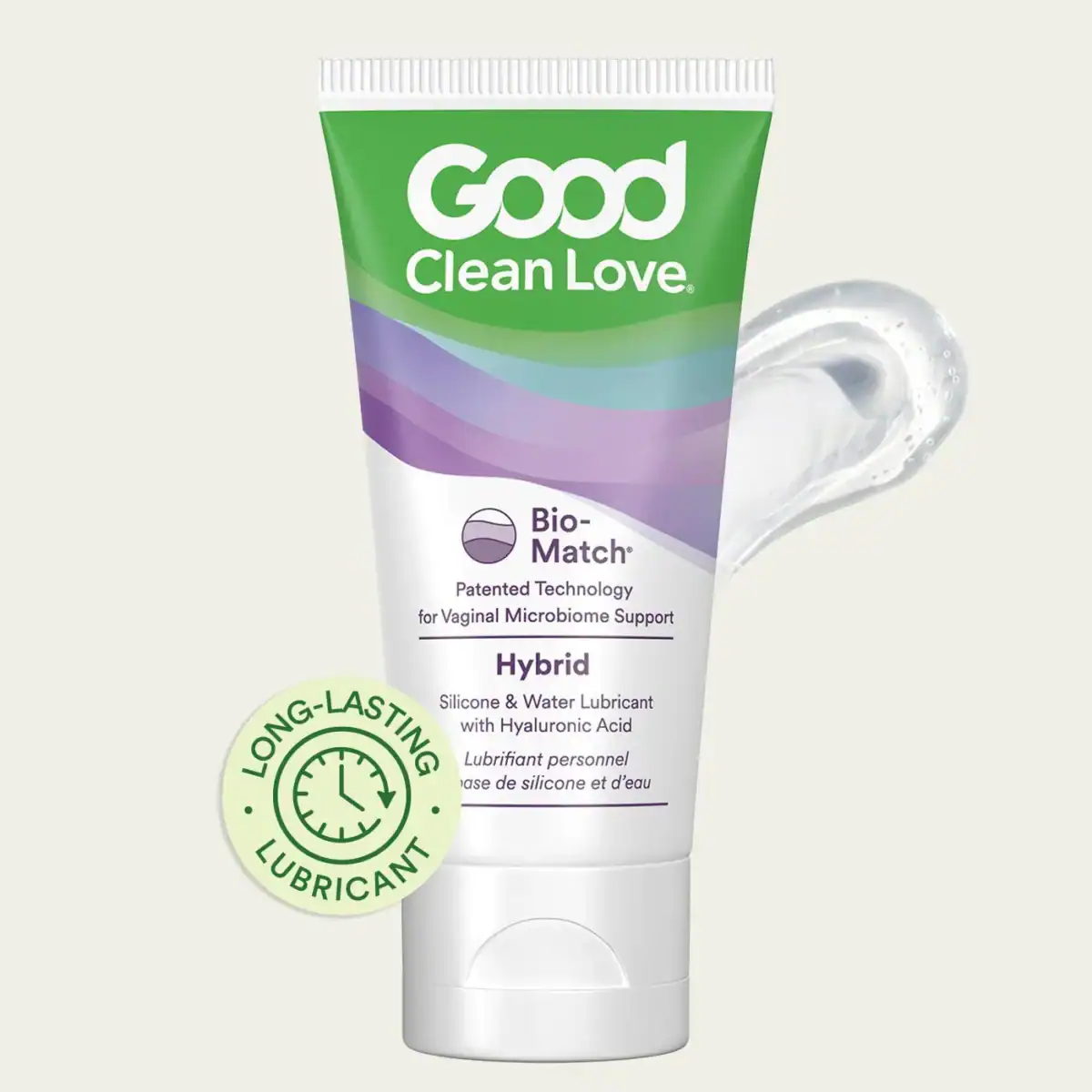
They have a lot of different options, from Almost Naked, which is water-based and made with 95% organic ingredients, to a Hybrid Silicone option, to another hybrid option that is water-based but also includes organic coconut oil.
LOLA

Water or Oil-Based? Water
Organic? No
Edible? No
Vegan? Yes
They started out making organic tampons and pads, but LOLA has expanded to offer other sexual wellness and feminine care products as well—including this water-based lubricant.
It’s fragrance-free, hypoallergenic, and pH balanced.
Dame

Water or Oil-Based? Both options
Organic? No
Edible? No
Vegan? Depends (The Play Balm has beeswax; the Aloe Lube does not)
Here’s another one that comes with high recommendations from a friend of mine.
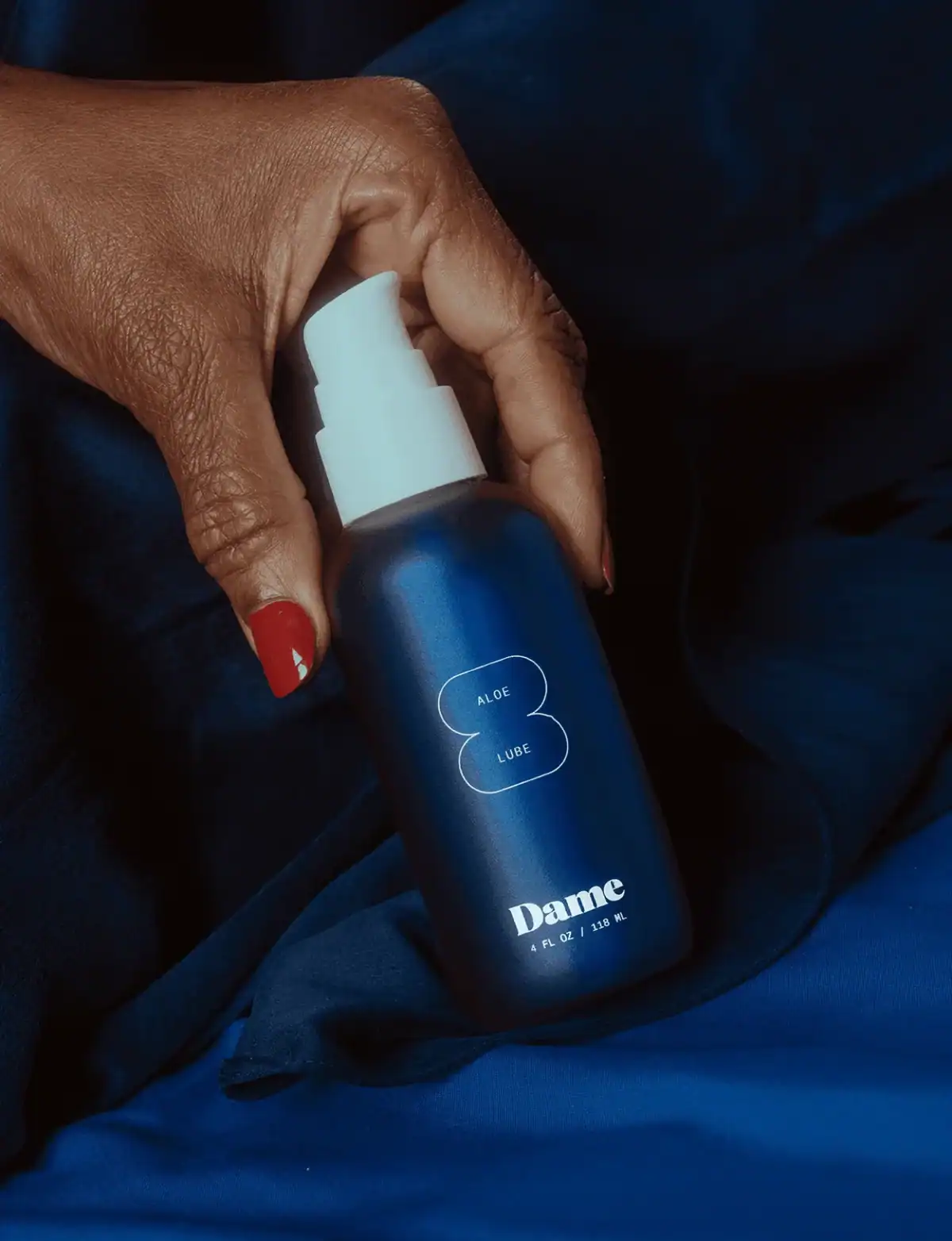
In terms of lubricants, Dame has two main options: Aloe Lube and Play Balm.
The Aloe Lube is their ‘regular’ water-based lube, whereas the Play Balm is an oil-based product that’s meant to be more multi-purpose—”part playtime oil, part moisturizer.”
They also have an Arousal Serum, but I actually don’t recommend that one as much. It contains propylene glycol and two ingredients that might be a borderline microplastics.
Even More Options!
The list of clean lubricants doesn’t stop there. Here are even more options that are worth checking out:
- Coco de Mer Balm: Plant-based oils (but not coconut). Vegan.
- Goop Sex Oil: This one is oil-based, but it uses other plant-based oils that are not coconut (like apricot kernel, jojoba, and others). It’s got aphrodisiac botanicals in it, too. It’s not explicitely vegan, but I don’t see any animal-based ingredients in the formulation.
- Honey Girl Organics: This personal lubricant is a hybrid option that uses both water and olive oil. It contains only 4 ingredients total. It is USDA certified organic. Not vegan (contains beeswax).
- Necessaire: Their Sex Gel is a good water-based lubricant. The base ingredient is organic aloe leaf juice. Although I don’t recommend a lot of Necessaire’s product, this one is ‘clean.’
- Playground: I only recommend their Unscented options: Free Love and Love Sesh. They’re both water-based and contain ingredients like ashwagandha, which is a natural stimulant.
- Province Apothecary: They have two options—Sex Oil and Lover’s Oil. The Sex Oil is more basic, with only 4 ingredients. The Lover’s Oil has extra botanical aphrodisiac ingredients added to it. (If you have sensitivities to essential oils, check the ingredient list for that one.) Both use fractionated coconut oil for the base. Some of the ingredients are organic and others aren’t. They’re not explicitely vegan, but I don’t see any animal-derived ingredients listed.
- Sanre Organic: Coconut-oil-based. All organic ingredients (USDA certified organic ingredients). Not vegan (contains beeswax).
- Shine Organic: Here’s another CBD-infused water-based option that uses aloe leaf juice as the base. They also have a silicone-based option and a warming lubricant, but I don’t love the ingredients in those ones.
- Stripes Beauty Oh My Glide Intimate Play Oil: Plant-oil based. Vegan. This is another brand that markets specifically toward menopausal and perimenopausal women.
What Makes a Conventional Lube Brand Toxic?
Conscious consumers will want to try and avoid (or at least minimize) the following ingredients in all of their personal care and cleaning products, but avoiding them in lubricants may be even more important because of the area. The skin in the vaginal/vulva area is not only more absorbent than the rest of the body, but it’s also more delicate and prone to irritation.
I looked at the ingredient lists of several major conventional lubricant brands (think: KY Jelly, AstroGlide, and others). Here are some of the most concerning and common ones I found:
Ingredients of Concern:
- Parabens (such as methylparaben): Associated with endocrine disruption as well as irritation of the vaginal mucous membranes.
- Undisclosed “fragrance”: This can include over 3,500 different ingredients that manufacturers do not have to list on the label due to a loophole in the law. Some of those ingredients are totally safe, while others are not. It’s practically impossible for the customer to know what’s actually in the product they’re buying.
- Petroleum / mineral oil / petrolatum derivatives: Synthetic, fossil fuel byproduct. They also linger, creating a barrier that can trap bacteria and foster infections.
- Chlorhexidine digluconate: This is one of the harsher preservatives used. Obviously preservatives are important for keeping products safe, but this one can disrupt the vaginal microbiome even more than others by killing both “good” and “bad” bacteria.
- Propylene glycol (and other PEGs, such as PEG-8): Not the worst type of ingredient on the market (it’s very common), but it can cause irritation in some folks. It’s also ethoxylated, which means it can be contaminated with 1,4 dioxane and/or ethylene oxide (which are carcinogens).
- Phenoxyethanol: Another ethoxylated ingredient that has been linked to irritation in some. Here’s a full deep dive.
- Nonoxynol-9: Used in spermicidal lubes. Can lead to irritation, disruption of natural flora, and increased risk of microtears. Could potentially even increase the risk of STIs.
- Cyclopentasiloxane (aka D5): This is a silicone that is potentially problematic when it comes to environmental toxicity.
The best personal lubricants for sensitive skin will be free from all of these ingredients.
Lastly, some folks may also want to be mindful of glycerin. It’s not toxic, but it is a sugar alcohol that may feed yeast or microbes in those prone to bacterial vaginosis (BV) or yeast infections. (This one can be found in natural lubes, too.)
It’s also worth mentioning that ingredient toxicity is not the only thing to consider when deciding whether or not a product is “good” for you or not. There are a other mechanisms of potential harm, too:
- Irritation, microtears, weakening of mucous membranes
- High osmolality
- pH disturbance, imbalance of microbiomes
- Increased risk of infection (yeast, bacterial vaginosis, STI susceptibility)
- Degradation of barrier methods (condoms, diaphragms)
- Long-term exposure concerns (endocrine disruption, cumulative absorption)
Other Things to Consider When Choosing a Non-Toxic Lube
Types of Lubricants ( & Their Tradeoffs)
What the “best” natural lubricant is for one person may not be the “best” for another person. It depends on all kinds of things! If you’re on birth control or trying to become pregnant, how prone you are to infection, if you’re monogamous or not, how much you care about messiness, etc…
So let’s briefly talk about some of the pros & cons of the different types of lubricants:
- Water-based lubricants
- Pros: condom/toy compatibility, easy cleanup, less greasy
- Cons: dries faster / may need reapplied, sometimes sticky, some formulations include glycerin/parabens that may cause irritation
- Oil-based lubricants (petroleum)
- Pros: long-lasting slip, inexpensive, widely available
- Cons: not safe with latex/polyisoprene condoms, hard to wash off, may trap bacteria, disrupt vaginal pH, and stain fabrics
- Oil-based lubricants (plants)
- Pros: natural, moisturizing, rich “body-oil” feel, minimal additives if pure
- Cons: not condom-safe (latex/polyisoprene), can disrupt vaginal pH, may increase risk of yeast or BV in some users, hard to wash off, may stain
- Worth noting: “natural” doesn’t always mean “safe” or “perfect.” Quality, purity, and individual sensitivity & needs matter
- Silicone-based lubricants
- Pros: long-lasting slip, doesn’t wash off with water easily (good for water play), safe with most condoms (check label)
- Cons: harder to wash off, may degrade/affect silicone sex toys (some silicones dissolve or become tacky), may come with concerns about environmental toxicity (depending on the specific silicone ingredient used)
- Hybrid lubes (water + a small amount of oil or silicone)
- Pros: trying to capture the best of both worlds
- Cons: compatibility trade-offs
Coconut Oil: Yay or Nay?
A lot of natural lubricants use coconut oil as a primary ingredient. And while it’s certainly a good choice, it may not be the best choice for every individual, in every season of life.
So let’s briefly talk about some of the pros & cons to using coconut oil as a personal lubricant:
- Potential benefits:
- Natural, plant-based
- Moisturizing, decent glide, feels “rich” and smooth
- Risks, limitations, and cautions:
- Weakens latex condoms: degrades latex integrity, increasing rupture risk. (It’s generally recommend that no oil-based lubricants are used with condoms—whether that’s a natural or synthetic oil.)
- pH disruption / microbiome risk: coconut oil is more alkaline compared to the acidic environment of vagina, which could lead to a possible disturbance of bacterial balance and increased infection risk in some users
- Residue: oil may linger, trap microbes, stain fabrics, etc.
What Makes a “Fertility-Friendly” Lubricant?
“Fertility-friendly” lubes are specifically formulated so they don’t harm sperm. That means they’re pH-balanced to mimic fertile cervical mucus, free from spermicidal ingredients, and tested to ensure they don’t damage or slow down sperm. These products are designed for couples who are trying to conceive and want to make sure their lube isn’t working against them.
It’s important to note that not all “natural” or “organic” lubes are automatically fertility-friendly. Even clean, plant-based formulas can interfere with sperm movement or survival if the pH, thickness, or ingredient mix isn’t right. Oils like olive or coconut, for example, may feel natural but have been shown in some studies to reduce sperm motility. Unless a lubricant has been specifically tested and marketed as fertility-friendly, you can’t assume it’s safe for conception.
So, if pregnancy is your goal, look for lubricants clearly labeled and tested as fertility-friendly, rather than relying on “organic” or “natural” claims alone. Good Clean Love has one—I think that’s the best option I’ve found that’s both non-toxic and fertility-friendly.
Don’t hesitate to reach out to brands to ask them for more info if you’re not sure!
“For Women” vs. “For Men” Lubricants
Most lubricants on the market can be used by anyone, regardless of gender. The “for men” or “for women” labels are usually marketing tactics rather than real differences in the product.
While a few formulas may be slightly adjusted (for example, some “women’s” lubes are pH-balanced for vaginal health, or “men’s” versions might include numbing or warming agents), nearly all lubricants work the same way and are safe for all bodies.
Whether you’re looking for lube for sensitive skin or just trying to reduce toxic chemicals in your life, I hope this guide has been helpful for you! Let me know in the comments if you have a personal favorite brand—I’d love to hear your opinion!