
People are constantly coming to me stressed out about the toxic exposures they can’t avoid.
You can switch to safer products, you can filter the air and water in your home… But you can’t take your air filter out into the world with you. 😅
So when there’s an easy thing you can do to actually protect yourself from things like air pollution, UV light, and other exposures, you probably want to do that thing!
Vitamin C serum can give your skin a daily dose of antioxidants, which can provide resilience against free radicals, brighten dark spots, prevent wrinkle formation, and more.
If you’re looking for a more natural and non-toxic vitamin C serum, I’ve got you covered with this guide.
My top picks for non-toxic vitamin C serums in a nutshell:
Most affordable: cocokind
Certified organic: Ogee
Best for “clean” meets “clinical”: DIME
Best luxury: Ogee
Most minimal ingredients: Annmarie
Best natural vitamin C face mask (not serum): withSimplicity
+ lot more great options below!
What this review includes:
- Why vitamin C serum actually matters for your skin
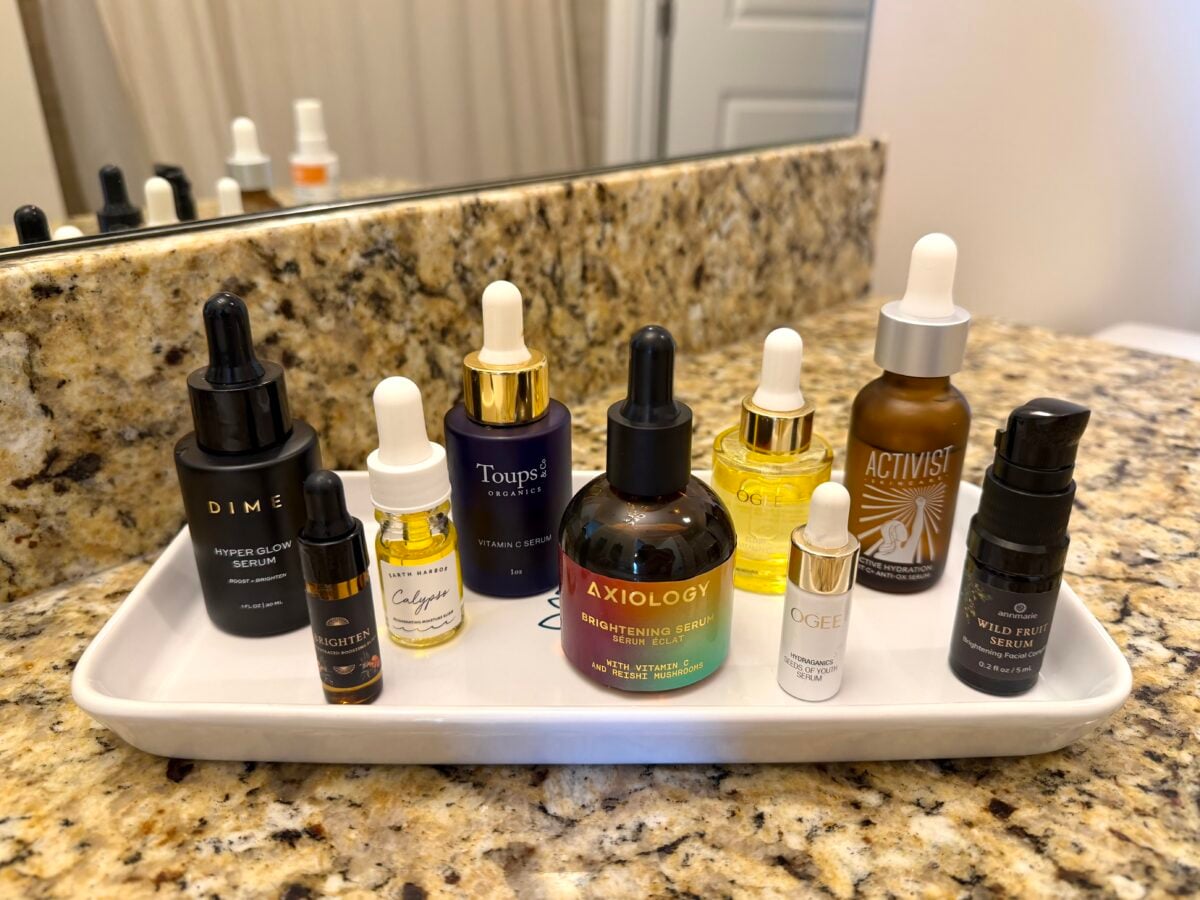
- The best non-toxic vitamin C serums
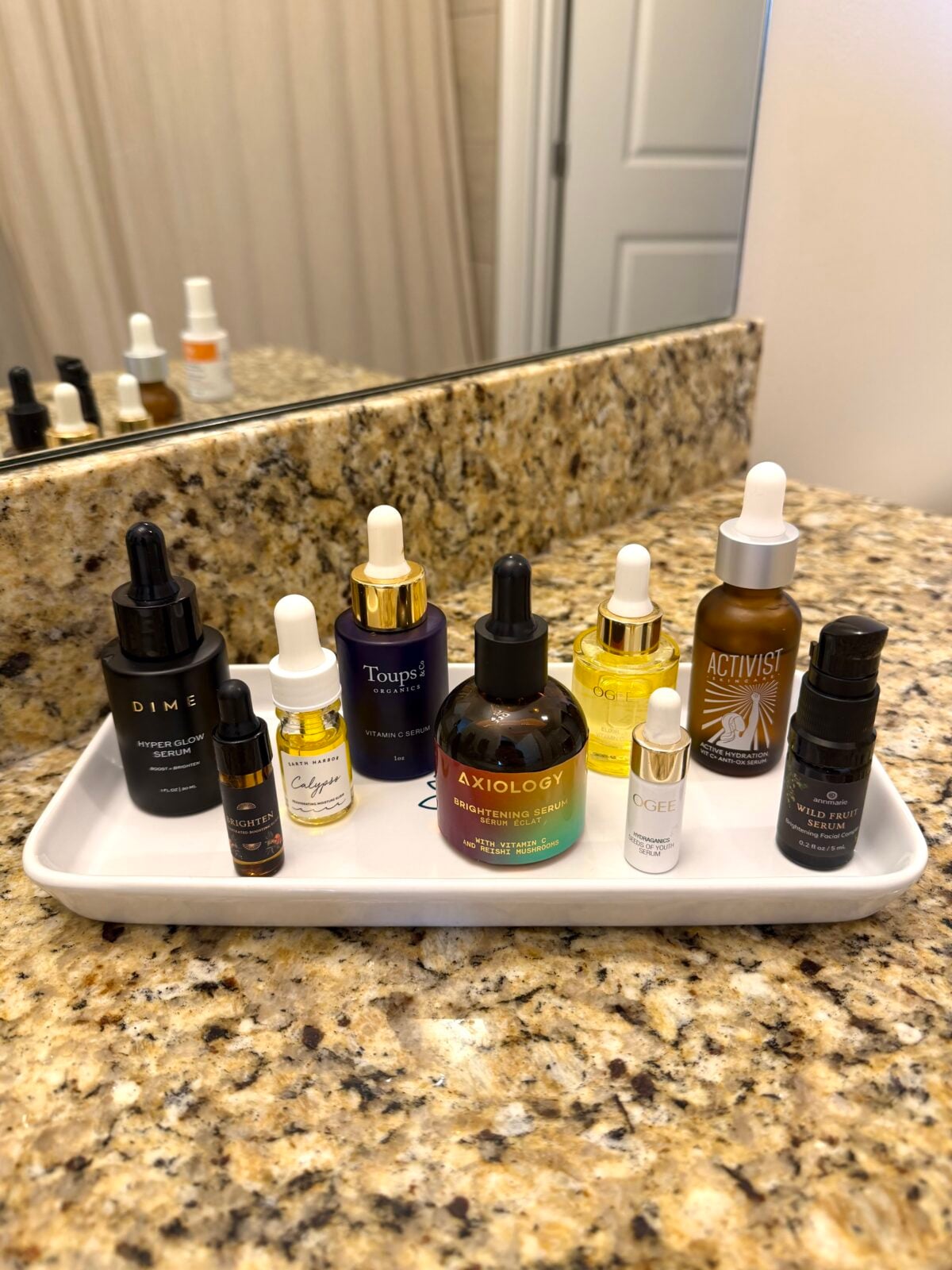
- Brightening Serum from Axiology
- Vitamin C THDA 20% Elixir from Ogee
- vitamin c glow serum from cocokind
- Hyper Glow Serum from DIME
- Vitamin C Serum from Toups & Co.
- Active Hydration Vitamin C+ Antioxidant Serum from Activist
- CALYPSO Vitamin C Facial Oil from Earth Harbor
- Brighten Vitamin C With Seabuckthorn from Annemarie
- Wild Fruit Serum from Annmarie
- Vitamin C Serum from Kari Gran
- Fizz-C Purifying Clay Mask from withSimplicity
This guide contains product recommendations, and we may receive compensation through affiliate links or editorial fees. As always, we only make recommendations that are genuine!
🔑 An important note about “natural” vitamin C serums:
It may seem counterintuitive, but some of the best forms of vitamin C for sensitive skin actually aren’t the “purest” or most natural-seeming ones.
The most potent and well-studied form of vitamin C is L-ascorbic acid (LAA). This is the “pure” form, identical to the vitamin C found in nature. (Although, the version used in skincare is lab-made, not plant-extracted.)
However, LAA tends to be more irritating and is therefore not always the best choice for those with sensitive skin.
Better options are derivatives of vitamin C, such as tetrahexyldecyl ascorbate, or THDA. This is gentler on the skin but is actually a synthetic (but non-toxic) ingredient. Many of the brands below combine THDA with other natural ingredients to create a clean, non-toxic, and mostly natural formulation.
In other words: when it comes to vitamin C, a synthetic option is actually the best choice for sensitive skin.
Why vitamin C serum actually matters for your skin
If you’re new to vitamin C serums and are thinking, “why the heck should I even use a product like this?!”, here’s the quick rundown of reasons:
- It protects against environmental exposure. Vitamin C is an antioxidant, meaning it can provide protection from free radicals. These free radicals—which come from things like pollution and UV exposure—lead to oxidative stress. Over time, this can damage skin, speed up signs of aging, and contribute to skin cancer risk. Vitamin C helps to defend against free radicals and neutralize them.
- It can help brighten skin and decrease dark spots. Vitamin C stops excess melanin production, which means it can minimize the appearance of dark spots, sun spots, and post-breakout discoloration.
- It can support collagen production. This can help to reduce wrinkles and keep the skin looking firm over time. It can also help with decreasing dark circles under the eyes.
- What about acne? Some forms of vitamin C have been shown to help manage acne, while others can help with things like reducing inflammation & redness, and preventing scarring.
The different types of vitamin C (and why you care)
You’ll most often see skincare products just labeled with “vitamin C,” but there are actually several different forms. And you may choose differently depending on your own skin type, needs, and preferences. Here’s what you’ve got to choose from:
- L-ascorbic acid (LAA): This is the most potent and well-studied form, but it’s also the most unstable and most likely to irritate the skin. It also oxidizes quickly, making it less effective. (It usually turns brown and/or starts smelling bad when it oxidizes, so you’ll know.) Many of the more “clinical” vitamin C serums on the market use L-ascorbic acid; however, a lot of the brands listed here use more gentler derivatives and/or whole plant sources, which tend to be gentler and more stable.
- Best for resilient skin that wants maximum results.
- Sodium ascorbate: This is a mineral salt of ascorbic acid. It is a natural form of vitamin C (not a derivative) that’s more gentle than LAA. However, it also comes with the same downsides to LAA in that it has less shelf stability and can degrade faster.
- THDA (tetrahexyldecyl ascorbate): This is an oil-soluble LAA derivative, which is not only more stable but also better at penetrating the skin than LAA. It may take longer to work compared to LAA, but it requires a lower concentration and tends to be better for dry and/or mature skin. If you want to meet in the middle in terms of potency and tolerability, this is a top choice.
- Ascorbyl glucoside: this is one of the gentlest options. It’s actually vitamin C bound to glucose, and it converts slowly into active vitamin C once it’s on your skin. That slow-and-steady release makes it a great entry point for beginners or anyone with sensitive and/or reactive skin.
- Magnesium ascorbyl phosphate (MAP): This is a water-soluble, stable, and gentle option that’s good for sensitive skin.
- Sodium ascorbyl phosphate (SAP): This is another gentle derivative that comes with the extra benefit of having antibacterial properties. (This can make it good for acne-prone skin.)
- Sea buckthorn: This is one of the most vitamin-C-dense plants on earth, which is why you’ll see it used in a lot of organic vitamin C serums. (It also contains other good stuff too, including other antioxidants and fatty acids). It’s often used in conjunction with another source of vitamin C. Note that the fruit extract is more potent than the oil.
- Other plant sources: You’ll also see some of the natural vitamin C serums below stack their products with more plants, including kakadu plum or camu camu. These plants are rich in antioxidants and have low levels of naturally occurring (and semi-unstable) vitamin C. These are not usually used on their own, but rather serve as supporting actors.
A few other important things to know
- It’s a marathon, not a sprint. Most vitamin C serum benefits come from consistent use. You’re likely to start seeing a difference after anywhere from 4 to 12 weeks—not overnight.
- If you have sensitive skin, I would recommend starting with any form of vitamin C except LAA.
- Put it on in the mornings. You can put it on at night as well, but since one of the main benefits of wearing it is for the daily environmental protection, I always make sure to apply it in the AM. Depending on the specific product (some of them are more ‘multi-purpose’ and can double as moisturizers), you’ll want to apply it after cleansing & toning, and before moisturizing.
- Concentration may or may not matter. Keep in mind that different forms of vitamin C have different potencies. So 15% LAA doesn’t necessarily have the same level of vitamin C as 15% THDA.
- Dark glass bottles are better. This prevents the vitamin C from oxidizing as fast. (You’ll usually know when it’s gone bad by the color and/or smell.)
- If you’re worried, patch test first. This is especially the case if you’re using a stronger form of vitamin C (like LAA) and/or if you have sensitive skin. The more potent forms may tingle or irritate the skin, so if you tend to react to things, try it on one spot before applying it to your whole face.
The best non-toxic vitamin C serums
Brightening Serum from Axiology
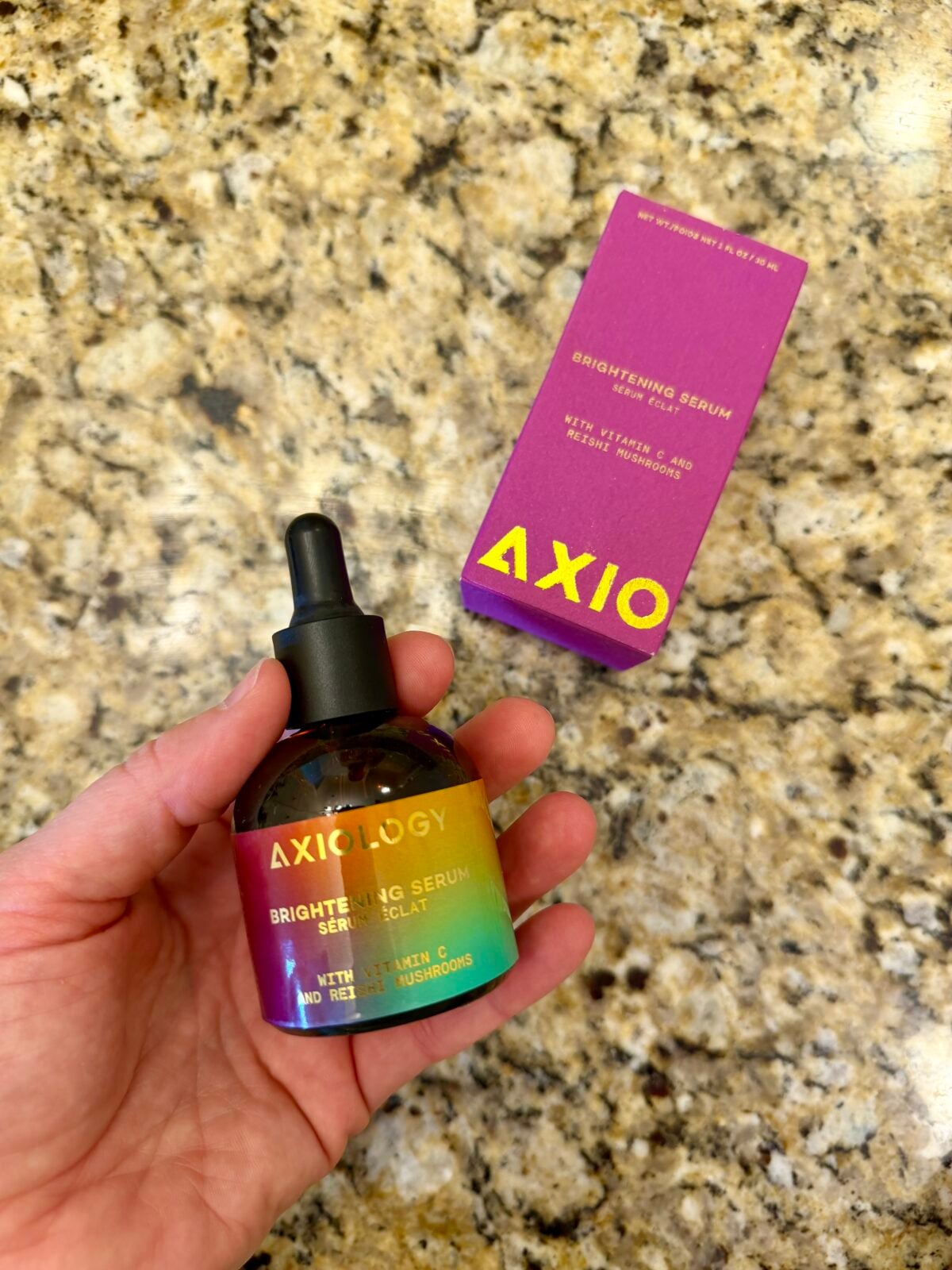
What makes it different: It’s mushroom-infused! 🍄
One of the reasons I like Axiology is that it’s one of the few brands that is both plastic-free/low-waste AND non-toxic. They’re known for their Multisticks and Balmies (which I’m also a fan of), but they’ve expanded from cosmetics into skincare products as well.
Their collection of mushroom-infused serums includes a Brightening Serum that’s infused with vitamin C and reishi mushrooms. The reishi, which is rich in antioxidants, adds to the protective powers of the vitamin c with another layer of skin support.
It also comes with other nourishing oils like jojoba, cranberry, raspberry, and chia.
Even though it’s an oil-based serum, it’s actually more lightweight than I was expecting it to be. I’m kind of picky about putting heavy oils on my face in the morning, but this one actually absorbs quickly and does not leave my face feeling weighed down at all.
This formulation is all-natural, but it’s not organic. It’s handmade in the USA and cruelty-free.
Scent: The smell is very subtle and comes from the natural oils (no added fragrance). It is an earthy, grounding scent. But honestly, it’s barely noticeable.
Price: $60
Vitamin C sources: THDA (3.15%) and sea buckthorn fruit oil
Code THEFILTERY will get you 20% off.
Vitamin C THDA 20% Elixir from Ogee
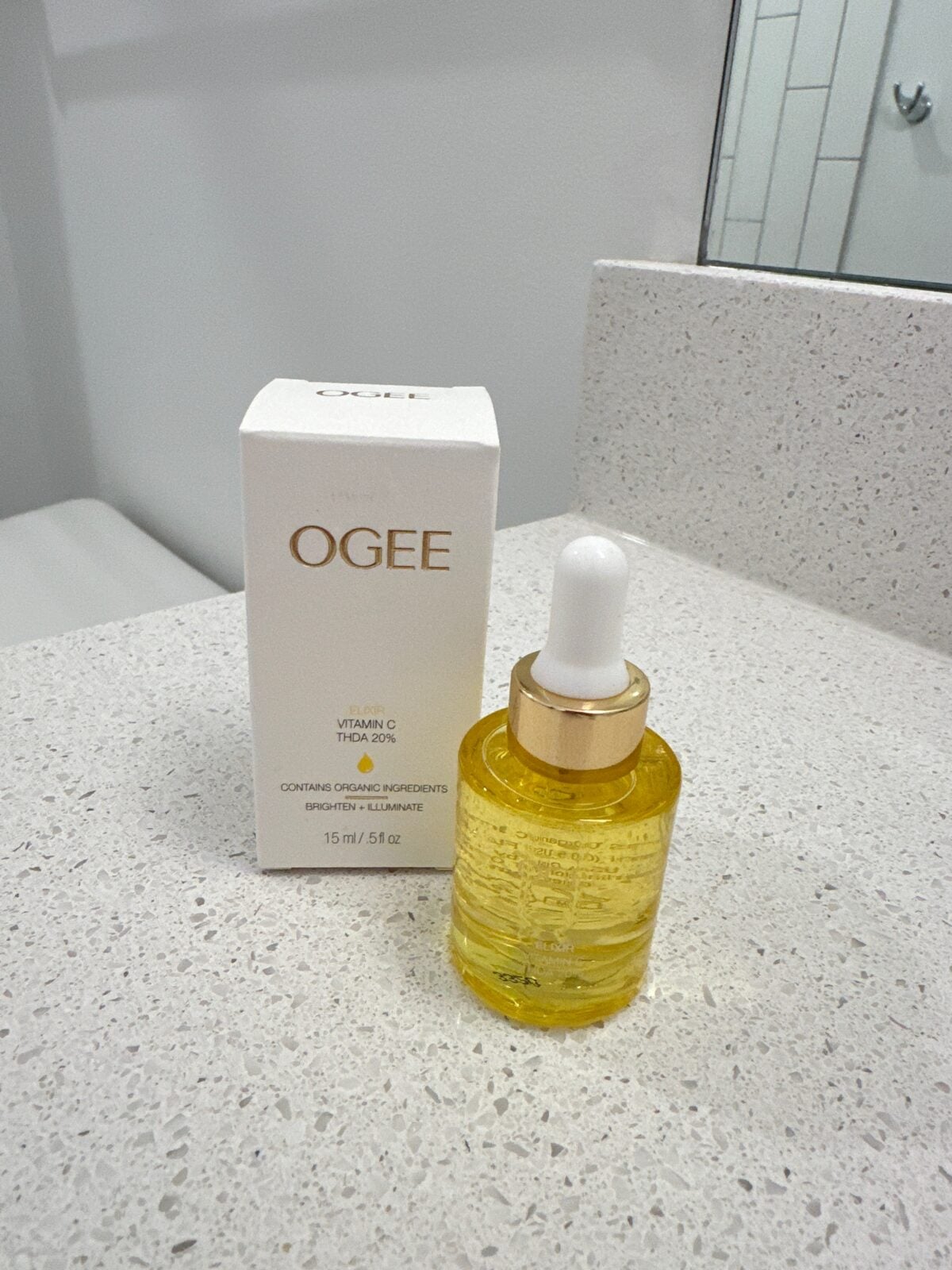
What makes it different: Organic, high concentration of vitamin C
This one uses THDA, which as I mentioned is more potent, biocompatible, and stable compared to the conventional form of vitamin C, LAA.
Like a lot of Ogee’s other skincare products, this elixir also contains ‘golden jojoba oil’ to deliver the vitamin C to your skin in a nourishing way.
Although it’s an oil, it’s a lightweight one. So I don’t mind wearing this during the day; it doesn’t feel like it weighs down my skin.
It’s vegan, cruelty-free, made in the USA, and certified organic, with at least 89% organic ingredients.
Alternatively (or in addition), Ogee also has a Seeds of Youth Serum that I really like. It doesn’t contain vitamin C, but it has edelweiss flower plant stem cells, which contain 200% the number of antioxidants that pure vitamin C does!
Scent: Pretty much fragrance-free.
Price: $94
Vitamin C source: THDA (20%)
P.S. Here’s my full Ogee review.
vitamin c glow serum from cocokind
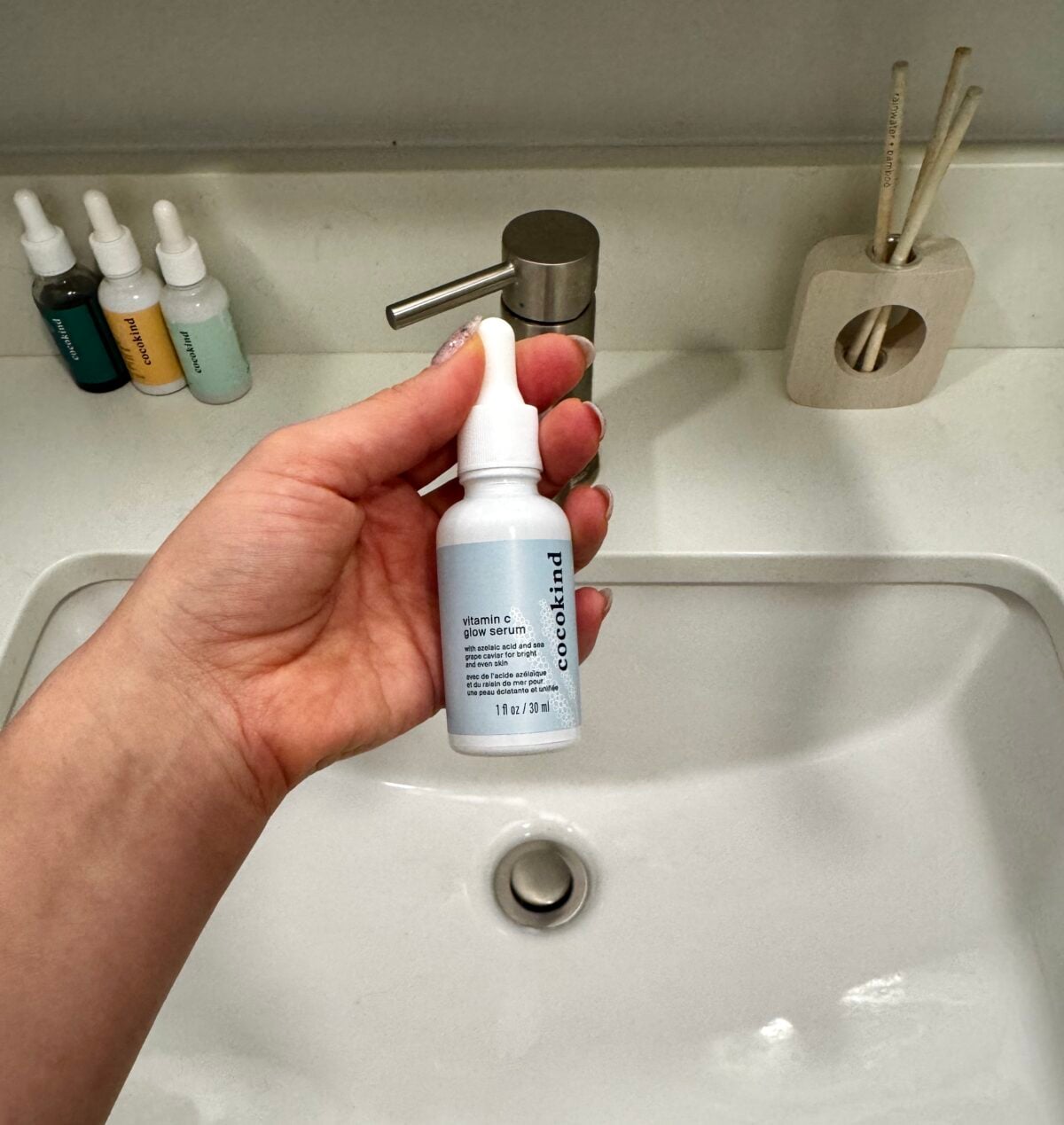
What makes it different: Most affordable
This was Lauren P’s first time using a vitamin C serum, and she said she was so glad she finally gave one a try:
I’m really glad I got this product; I’m really happy with it! It goes on really nice and smooth. I think it’s great for sensitive, inflamed or acne-prone skin. My skin has never felt irritated when using it.
It’s in an opaque bottle and comes out as a clear thicker serum.
I’m not sure I notice a ‘glow’ or anything but I definitely think it’s contributed to less redness and more calm skin. It probably helps with the PIH as well.
I will 100% re-buy this.
It’s cruelty-free and vegan, mostly natural (but not organic), and accepted by the National Eczema Association.
Scent: Fragrance-free.
Price: $22
Vitamin C source: Ascorbyl glucoside (2%)
Here is Lauren P’s full review on cocokind.
Hyper Glow Serum from DIME
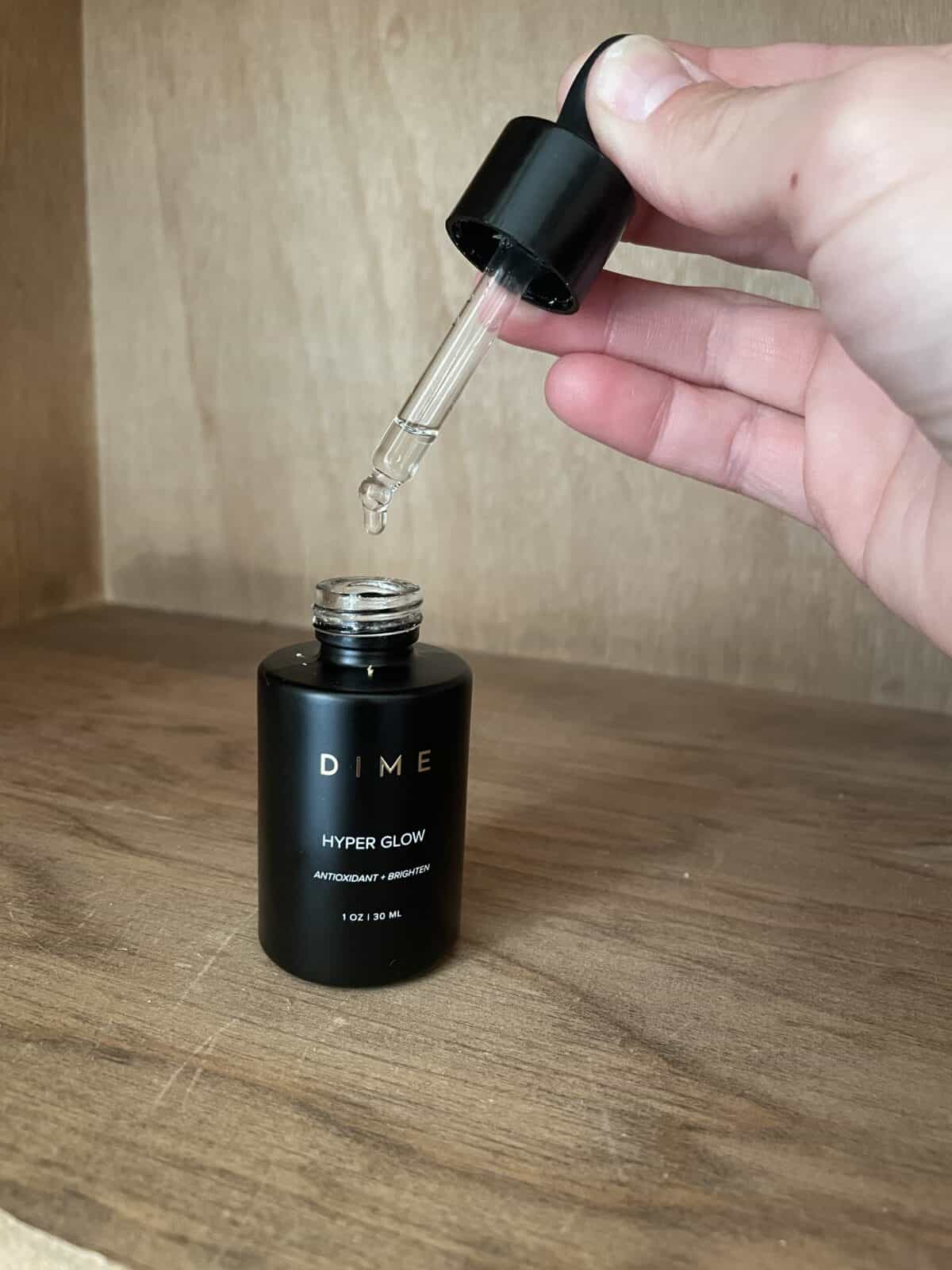
What makes it different: This is the only one using pure L-ascorbic acid, which is the most potent & proven form of vitamin C. This serum basically sits at the intersection of “clinical” and “clean.”
Lauren A’s Review:
I tried several of DIME’s serums, and this is probably my favorite of all of them. It contains 15% vitamin C (LAA) to lighten hyperpigmentation, tighten skin, and fight against free-radical damage.
I did notice visible improvement in the brightness of my skin, and like all their serums, it’s quick absorbing and light on your skin. For the price, I think this is a fantastic vitamin C skin boosting option.
Abbie’s Review:
This is the only serum of the group built on the classic clinical “vitamin C + ferulic acid + vitamin E” archetype, using pure L-ascorbic acid, rather than a gentler derivative or botanical source.
I like this serum overall! It is lightweight, feels nice on my skin, and I do appreciate that it comes with a more clinical formulation.
It does contain one “not-great” ingredient—ethoxydiglycol—which is ethoxylated. Ethoxylated ingredients are common; they are not the worst, but they’re not the best either. The problem is that because of the way they are manufactured, they can be contaminated with minute amounts of 1,4 dioxane and/or ethylene oxide, which are carcinogenic.
It uses a lot of natural ingredients (with a few synthetics), and it is not organic. It’s Leaping Bunny Certified cruelty-free and EWG Verified for safe ingredients.
Scent: It has a very subtle (but pleasant) scent, which is almost unnoticeable.
Price: $25-32
Vitamin C source: L-ascorbic acid (15%)
Use code THEFILTERY for 20% off.
Vitamin C Serum from Toups & Co.
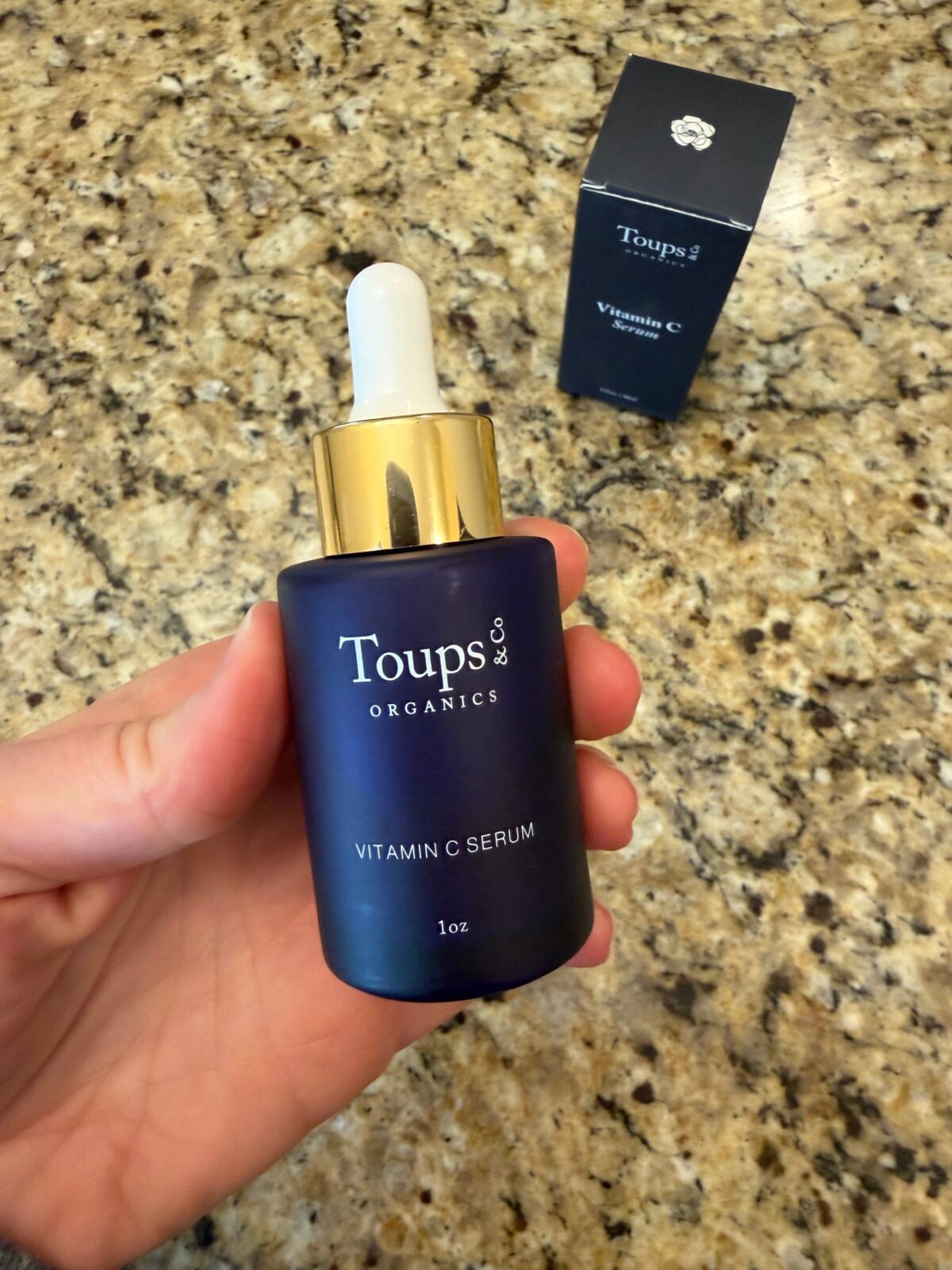
What makes it different: It’s a stacked, multi-purpose product.
I really like the way this serum makes my skin feel. It’s noticeably smoother after I put it on. It’s on the pricier side, but you only need to use a few drops per day, so it will last you a while.
Also, it has more to it than a lot of the other serums listed here. It’s got a dual vitamin C + niacinamide system, which adds even more brightening than vitamin C alone. It’s got lactobacillus ferment which can help foster a healthy microbiome on the skin. Additionally, it has a bunch of antioxidant superfruits (Kakadu plum, camu camu, black currant, sea buckthorn). Plus hyaluronic acid and squalane for anti-aging and more hydration.
It’s mostly natural with several certified organic ingredients. It’s made in small batches in the USA.
Scent: Barely-there scent that comes from the ingredients themselves (no added fragrance). It’s a subtle sweet, citrus-y smell.
Price: $110
Vitamin C sources: Magnesium ascorbyl phosphate, THDA, kakadu plum cellular extract, sea buckthorn oil, camu camu extract
Here’s our full Toups & Co review.
Active Hydration Vitamin C+ Antioxidant Serum from Activist

What makes it different: Comes with peptides, which further helps to protect the skin from free radical damage.
This serum is meant to help with dullness, dehydration, and signs of aging. In addition to the vitamin C, it’s got other functional ingredients like glutathione and peptides (for neutralizing free radicals) and hyaluronic acid (to plump and smooth)
I really like how this is a multi-purpose product that is jam-packed with functional ingredients that can help with so many different things, from redness to wrinkles.
It’s not organic or all-natural, but it is ‘clean’ and mostly nature-identical. You might put this formulation more in the ‘biotech’ category with its inclusion of various peptides (thioredoxin, glutaredoxin, superoxide dismutase, and glutathione).
It’s very lightweight, which I appreciate because I can easily layer it with whatever other products I want to use for the day.
It’s also cruelty-free, vegan, and refillable.
Scent: No smell at all.
Price: $54-64
Vitamin C source: Magnesium ascorbyl phosphate, aka MAP (3%)
Here’s my full Activist Skincare review.
CALYPSO Vitamin C Facial Oil from Earth Harbor
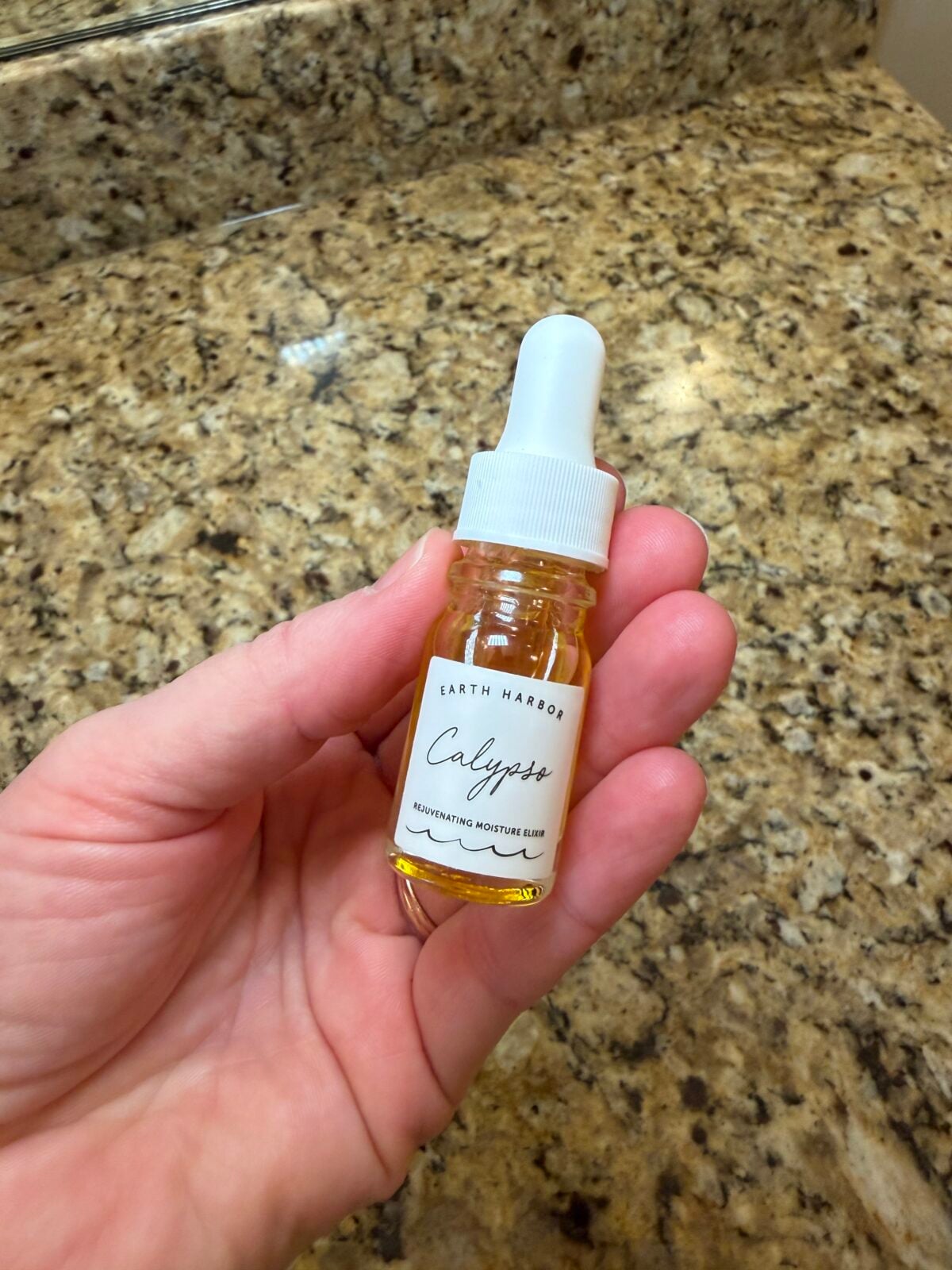
What makes it different: This one is not a targeted vitamin C treatment; rather, it’s a nourishing antioxidant oil that happens to contain naturally C-rich botanicals from a whole plant source
The vitamin C in this ‘elixir’ comes from a few different sources including certified organic sea buckthorn berry CO2 extract and rose petal extract. It’s also got coQ10, which can help with deep hydration and strengthening the skin barrier.
This is another lightweight oil that I really don’t mind wearing during the daytime. It absorbs pretty well, and I definitely notice a difference in the texture of my skin after putting it on. I’ve been putting it on last, after the rest of my serums and moisturizer. But you can also use it on its own if you want.
This one is also vegan & cruelty-free certified, and made from all natural (and/or nature-identical) ingredients.
This comes in a glass vial with a plastic dropper lid. You can get a refill too.
Scent: Fragrance-free
Price: $35
Vitamin C source: Sea buckthorn oil
Here’s my full Earth Harbor review.
Brighten Vitamin C With Seabuckthorn from Annemarie
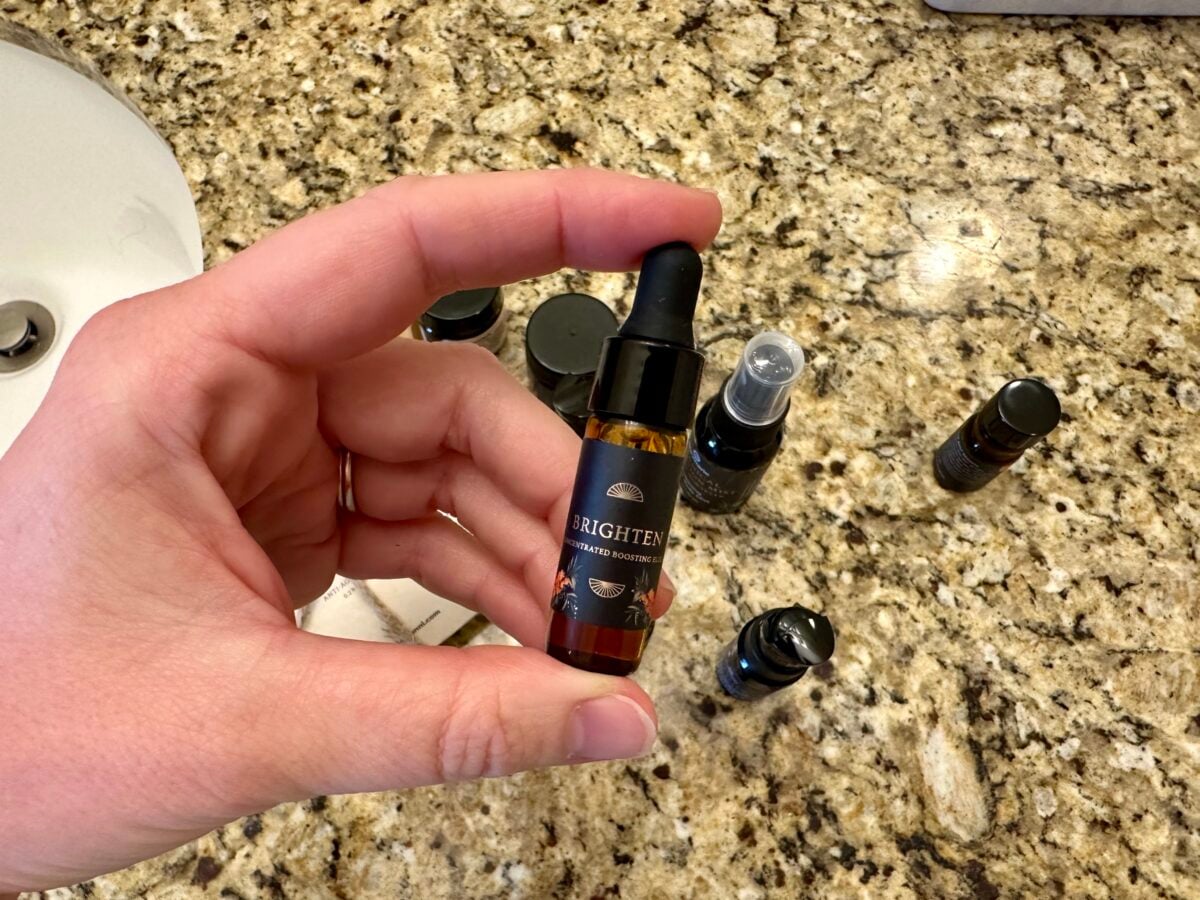
What makes it different: Most minimal ingredient list
This one literally only has three things in it: jojoba seed oil, vitamin C (in the form of THDA), and seabuckthorn berry CO2 fruit extract.
It’s on the more oily side, but it’s still pretty lightweight! Like many of the others listed here, it’s concentrated, so you really only need a few drops.
This one is also made in the USA, Leaping Bunny Certified cruelty-free, and MADE SAFE certified as well. It’s an all-natural serum and the seabuckthorn berry is certified organic/wildcrafted.
Scent: Barely has a smell at all.
Price: $81-90
Vitamin C sources: THDA, sea buckthorn oil
Use code TheFiltery20 for 20% off.
Wild Fruit Serum from Annmarie
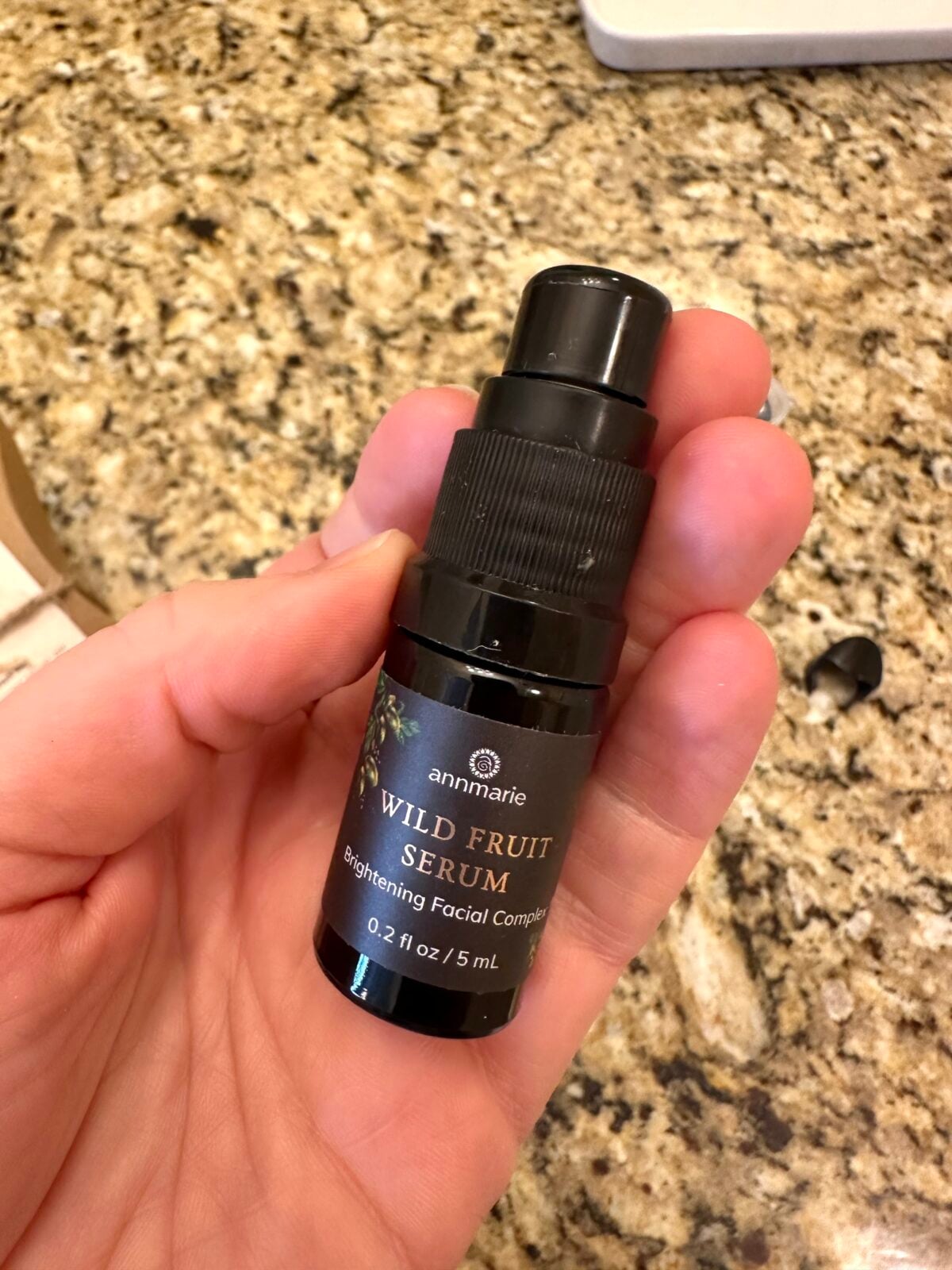
What makes it different: Most botanically-dense—it’s got a ton of plants in it.
This is a great daytime serum that’s rich in vitamin C for protection against the elements.
It has aloe-steeped apple extract is made in-house at low heat, which gives you a dose of high-quality and all-natural vitamin C and malic acid (both of which can improve skin texture).
It also uses madonna lily plant cells to increase the skin’s resilience, kakadu plum extract for even more vitamin C, and knotweed extract, which is rich in resveratrol.
This one is heavier on the essential oils than most of the other ones listed here, so it might not be the best option for people with super sensitive skin.
It’s also made in the USA, Leaping Bunny Certified cruelty-free, and MADE SAFE certified. It’s partially made out of certified organic and/or wildcrafted ingredients.
Scent: The smell is very fruity and sweet. I like it!
Price: $109-122
Vitamin C source: Sodium ascorbate, kakadu plum fruit extract
Use code TheFiltery20 for 20% off.
Vitamin C Serum from Kari Gran
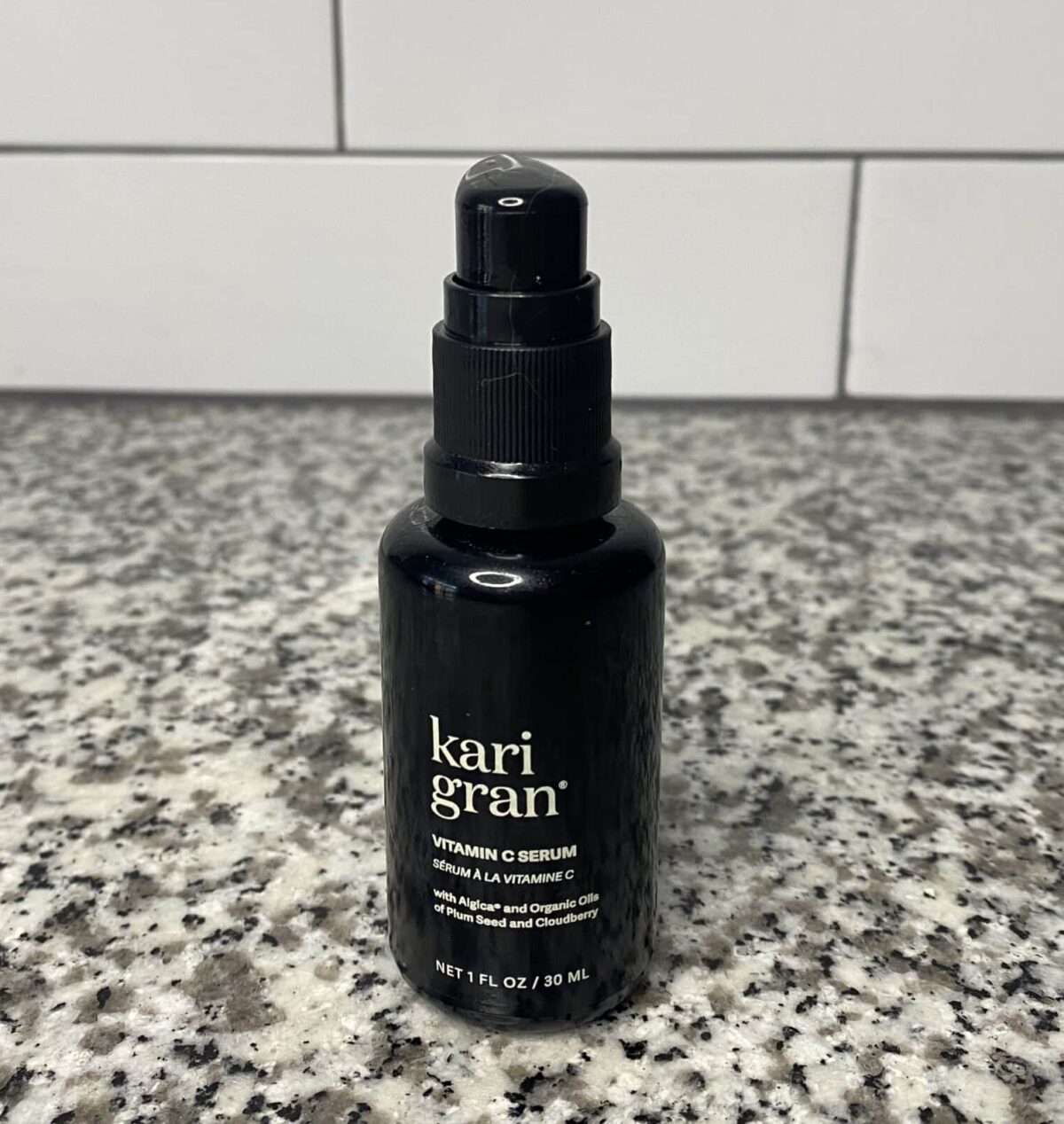
What set is apart: Algae-infused!
This oil-based 10% vitamin C oil nourishes, brightens, fends off oxidative stress, and evens the skin tone to reduce signs of aging.
This one is formulated with an organic blend of antioxidants like plum seed, lingonberry, and cloudberry oils. Algica, aka Swedish algae, seals in moisture for a hydrated and refreshed complexion. They say it “hydrates like hyaluronic acid, without the tacky finish” and I would say that’s true from my experience.
I typically use this vitamin C in combination with Kari Gran’s Essential Peptide Serum and Essential Hydrating Tonic for a next-level glow. It’s the first oil-based vitamin C I’ve used, and it feels way more hydrating than any other vitamin C serum I’ve tried.
Scent: It’s got a nice, mild smell (which comes from the ingredients, not added fragrance)
Price: $79
Vitamin C source: THDA (10%), sea buckthorn fruit extract
Here’s Celia’s full review on Kari Gran’s other products.
Fizz-C Purifying Clay Mask from withSimplicity
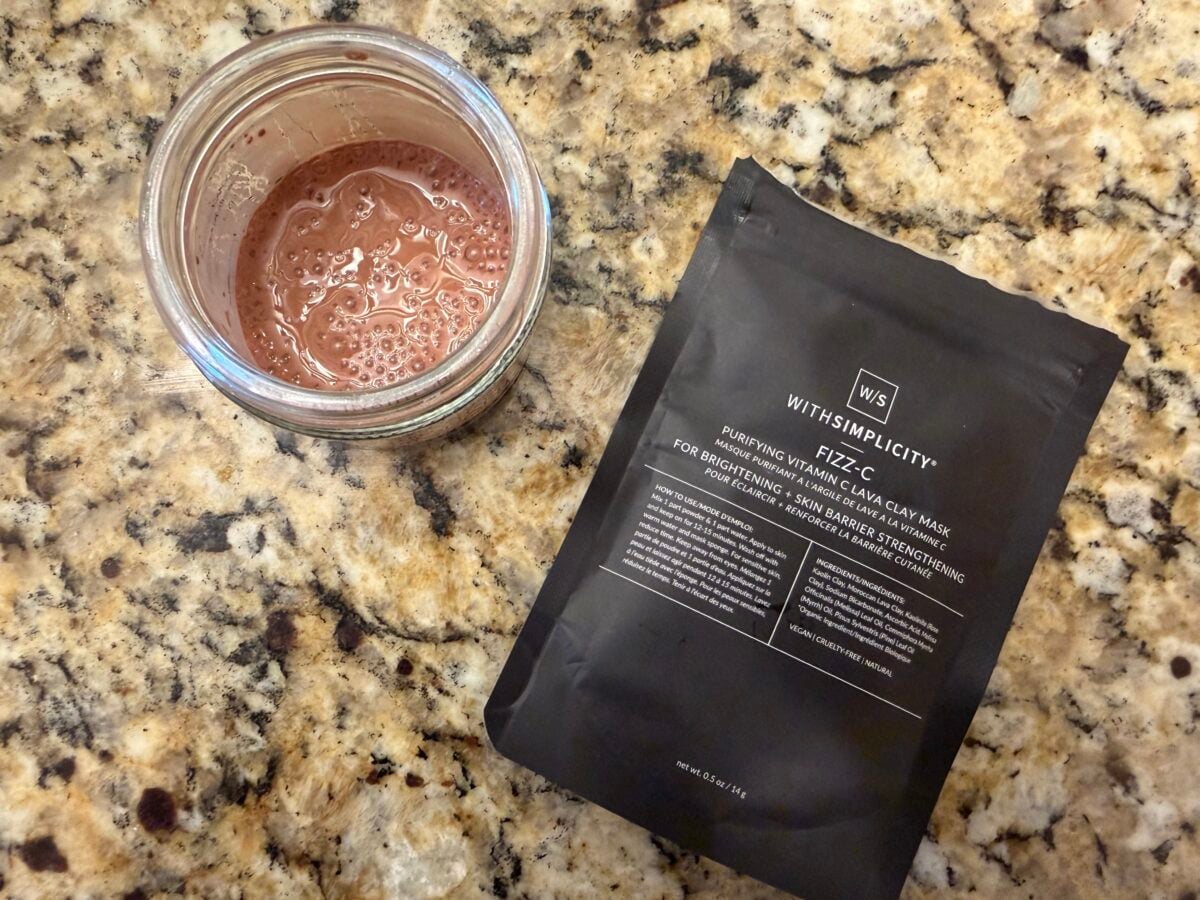
What makes it different: It’s a purifying rinse-off mask, not a leave-on serum
This clay mask comes in a powder that you mix with water to create a fizzy, mildly energizing experience.
This is similar to your typical clay mask, which works to clarify and unclog pores. Except they also combine lava clay with a dose of vitamin C to give the skin’s barrier a boost. It has a tiny bit of grit to it as well, so you can get exfoliation as you put it on and take it off.
My skin is noticeably softer right after using it and I think this mask is a great addition to my weekly routine. I have always struggled with blackheads, so I like a good pore-cleanser that won’t dry out my skin.
The directions say to use 1 part powder and 1 part water. But in my experience, this leads to a thinner mask. If you want to thicken it up a little bit, you could add a little more powder. The thinner mask works just fine; I think it’s just a little messier.
I really like this mask and will definitely re-buy it. It’s cruelty-free, vegan, and made in the USA.
Scent: It smells really good. The combination of rose, myrrh, and pine gives it a nature-y vibe.
Price: $8
Vitamin C source: Ascorbic acid
withSimplicity also carries a Hydra-Glow Serum, which is their mostly-natural vitamin C facial serum. I haven’t tried this one yet, but I’ll be sure to add my thoughts when I do. I do like pretty much all of the other withSimplicity products I’ve tried though; here’s my full review.
Use code THEFILTERY for 15% off.
Here are even more of the best clean vitamin C serums that I haven’t had the chance to try yet:
Acure 2% Vitamin C & Ferulic Acid Serum: This one is a bit different because it contains pineapple and papaya enzymes for mild exfoliation. It’s vegan, cruelty-free, and mostly natural. I haven’t tried this specific serum yet, but I do like a lot of Acure’s other products. | Thrive Market | Amazon | Target
Crunchi I AM Bright® Vitamin C Facial Serum: This one is EWG Verified and uses mostly natural, or naturally-derived, ingredients. Leaping Bunny Certified vegan & cruelty-free.
Mad Hippie: This is another valid option because it’s affordable, uses sodium ascorbyl phosphate (good for acne), and relatively easy to find at retailers, like Target, Walmart, Amazon, Thrive Market, and Ulta.
Roots & Leaves Vitamin C Serum: This one has a lot of organic ingredients, plus tremella mushrooms for more antioxidants and protection against environmental pollutants. Even though I haven’t used this specific one yet, I do like some of Roots & Leaves other products I’ve tried. Code THEFILTERY will get you 10% off. | Truly Free Marketplace
True Botanicals Vitamin C Booster: This is different than the rest of the products listed here because it’s actually a powder that you add into your serum yourself. You can add it into any serum you want. It uses only 3 ingredients, including clinical forms of vitamin C, and comes with several third-party certifications (including MADE SAFE). I haven’t tried this one yet, but here’s my review of True Botanicals’ other products.
Ursa Major Brighten Up Vitamin C Serum: This is another good option. Again, I haven’t tried it personally, but I like a lot of Ursa Major’s other products. It’s got two forms of vitamin C and a lot of organic ingredients. Vegan & cruelty-free. | Amazon | Thrive Market
If your favorite natural vitamin C serum is missing from this list, let me know in the comments!